hpdz.net
High-Precision Deep Zoom
Animations
Please visit the Demos page to see some animation ideas I'm working on but have not fully explored yet.
Also check out the Technical Animations page. These are not so much about looking good, but rather about trying to demonstrate some technical point about how the animations are made. Some of them are examples of what various mistakes look like, sort of a Bloopers series.
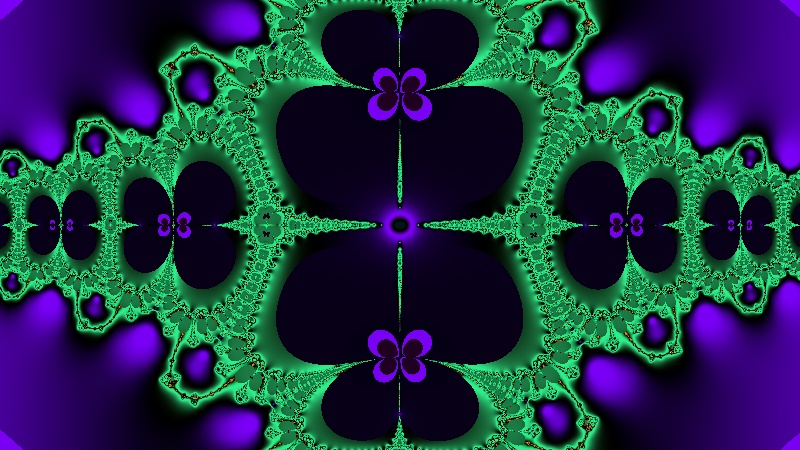
A modestly deep zoom into the Cubic Burning Ship fractal. With 25X oversampling, this video is crisp and clean and shows some new features in this starkly beautiful, gorgeous fractal.
| |||||||||||||||
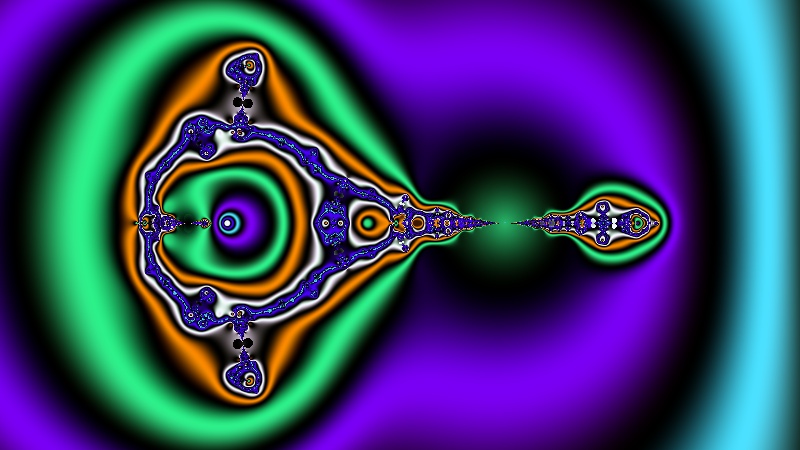
Another first-ever, this time of an obscure fractal called "Buffalo" for reasons that are not completely clear. This is a SUPER deep zoom to 1e-227!! This thing just keeps on going for 15 minutes at an HD resolution of 1600x900. This is a truly gargantuan animation of something never seen before.
| |||||||||||||||
The first-ever animation of the thid-order variation of the Burning Ship fractal. This is not a very deep zoom, but does have some really cool structures. This project is based on a series of still images published in the Still Images section on the Burning Ship page.
| |||||||||||||||
The first-ever high-definition deep zoom into this stunningly gorgeous variation on the Mandelbrot set fractal. With a final size of 2.34e-100, nothing like this has ever been seen before.
| |||||||||||||||
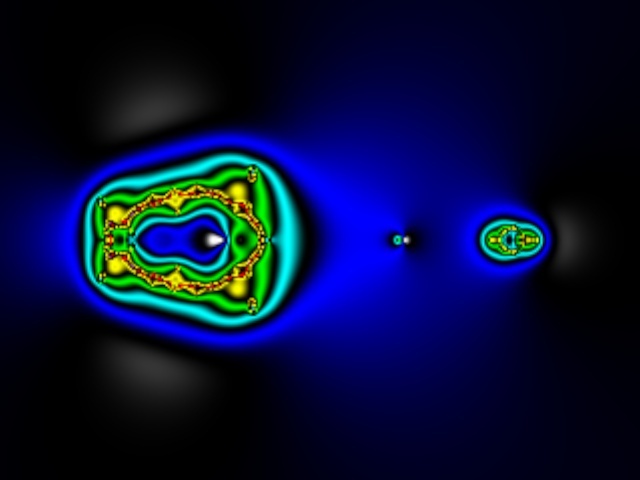
An accurate deep zoom into the Magnet Fractal type I with the new floating-point arithmetic code. This hopefully makes up for the debacle of the previous attempt at a Magnet Fractal zoom that had artifactual bogus structures.
| |||||||||||||||
A 12-minute montage of various small fractal animation projects
| |||||||||||||||
Inspired by Stardust4Ever's very cool extension of the Metaphase concept originally developed by Paul Derbyshire. Previously published in a preliminary form, now completed properly and with a new, more interesting color palette. This is a seriously deep zoom, with a final size of 5e-119. An Extreme quality, 60 Mbps MP4 file is available for download.
| |||||||||||||||
This animation turned out to contain a lot of bogus artifactual structures due to an error in the high-precision arithmetic code. Read all about it, and the solution to it, by following the above link. | |||||||||||||||
A high-definition remake of PrimaLuce, celebrating the dawn of the new Core i7 980X rendering system.
| |||||||||||||||
| Seattle High-Def deep zoom into the eastern cusp of the Mandelbrot set to 1.6e-51 with 9X noise reduction oversampling
| |||||||||||||||
| QBIX Cubic Mandelbrot set deep zoom to 5.9e-33 using new 64-bit software!
ThirdOrder A rare third-order Mandelbrot set zoom, although not very deep These two videos, to the best of the knowledge of HPDZ, are the only deep-zoom animations into the cubic Mandelbrot set ever created. | |||||||||||||||
| GroupB Deep zoom to 1.9e-78 using new, more powerful frame interpolation software.
| |||||||||||||||
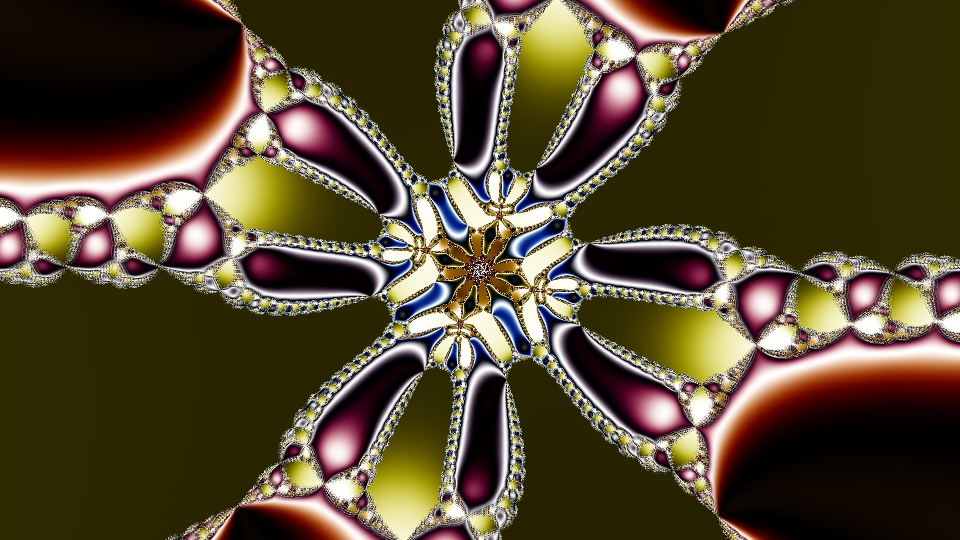
| Take5 Simple deep-zoom into a five-fold symmetric fiber. Demonstrates a new colorizing method.
| |||||||||||||||
| Project17 Simple deep-zoom into the cusp of the set. Based on a still image from 2004.
| |||||||||||||||
| SecantAnimation1 An elaborate tour of a fractal created by the secant method with the cosine function.
| |||||||||||||||
| SecantAnimation2 The first-ever animation of a fractal generated by the secant method.
| |||||||||||||||
| Canyon2 Deep zoom into the eastern wall of the canyon (seahorse valley).
| |||||||||||||||
| MetaphsaeVar1 My first variation on the "Metaphase" motif.
| |||||||||||||||
| Canyon1 Deep zoom into the western wall of the canyon (seahorse valley).
| |||||||||||||||
| HD1 "Tartaglia" My first high-definition deep zoom, at 1200x900 resolution.
| |||||||||||||||
| DEHP-III ("Cardano") Full-resolution rework of one of the best animations I've done so far. New colors, new music, longer, and slower.
| |||||||||||||||
| Ununennius ("de Moivre") One of the deepest zooms ever created. And certainly the most unpronounceable. This is a no-nonsense animation drilling down to a final size of 9e-120.
| |||||||||||||||
| Rift Another great Paul Derbyshire endpoint
| |||||||||||||||
| Metaphase Based on a FractInt PAR file from Paul Derbyshire dated Mar 1996  | |||||||||||||||
| Prima Luce First production run on Core2-Quad system  | |||||||||||||||
| ProjectX Zoom to 2e-33 with beautiful coloring  | |||||||||||||||
| Tevaris Great music by Technetium!
| |||||||||||||||
| DEHP-IIa Very nice deep zoom to Julia set near mini-brot on the antenna/spike | |||||||||||||||
| Anim08-03-13 Deep zoom near cusp of mini-brot |
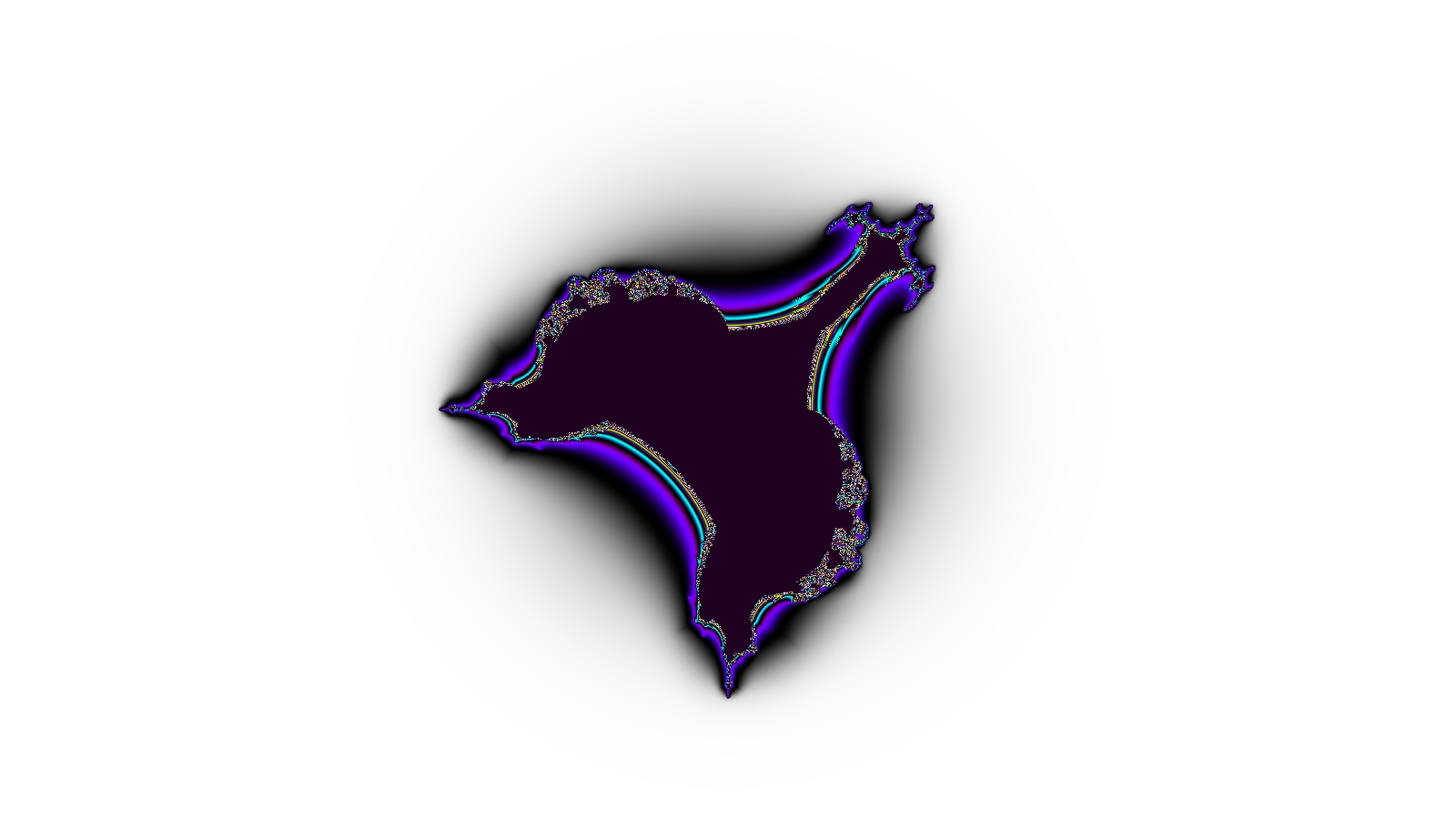
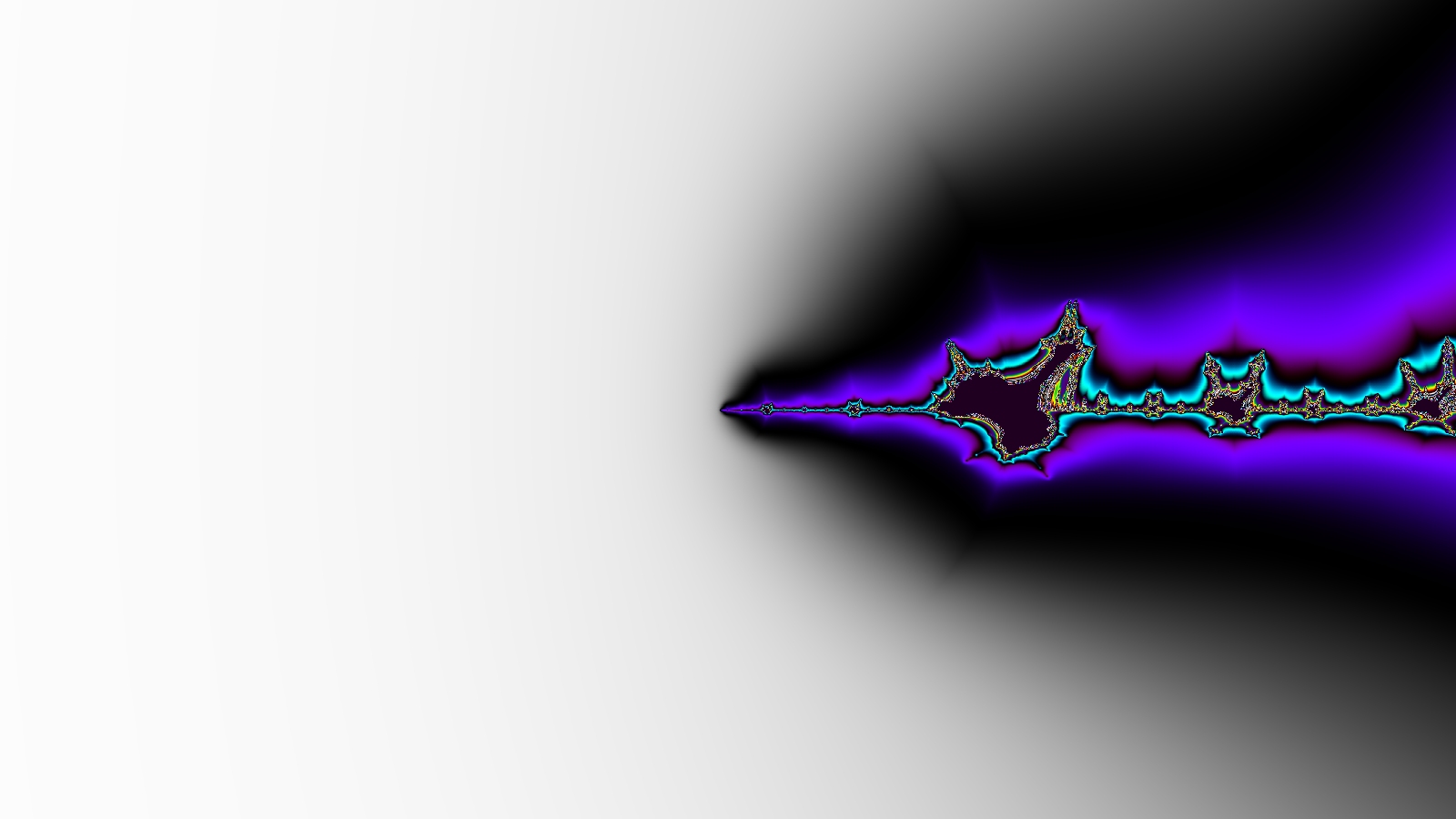
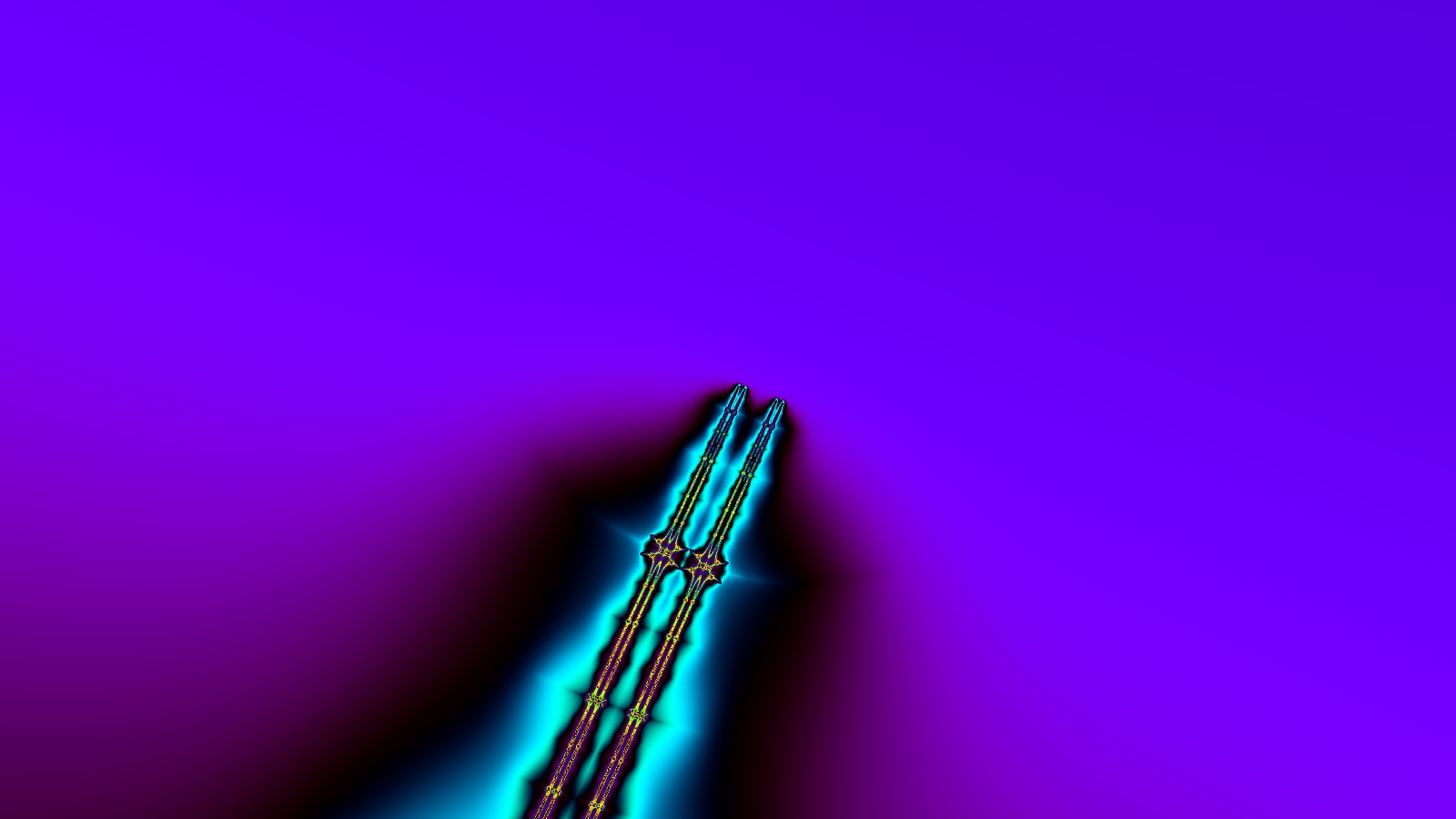
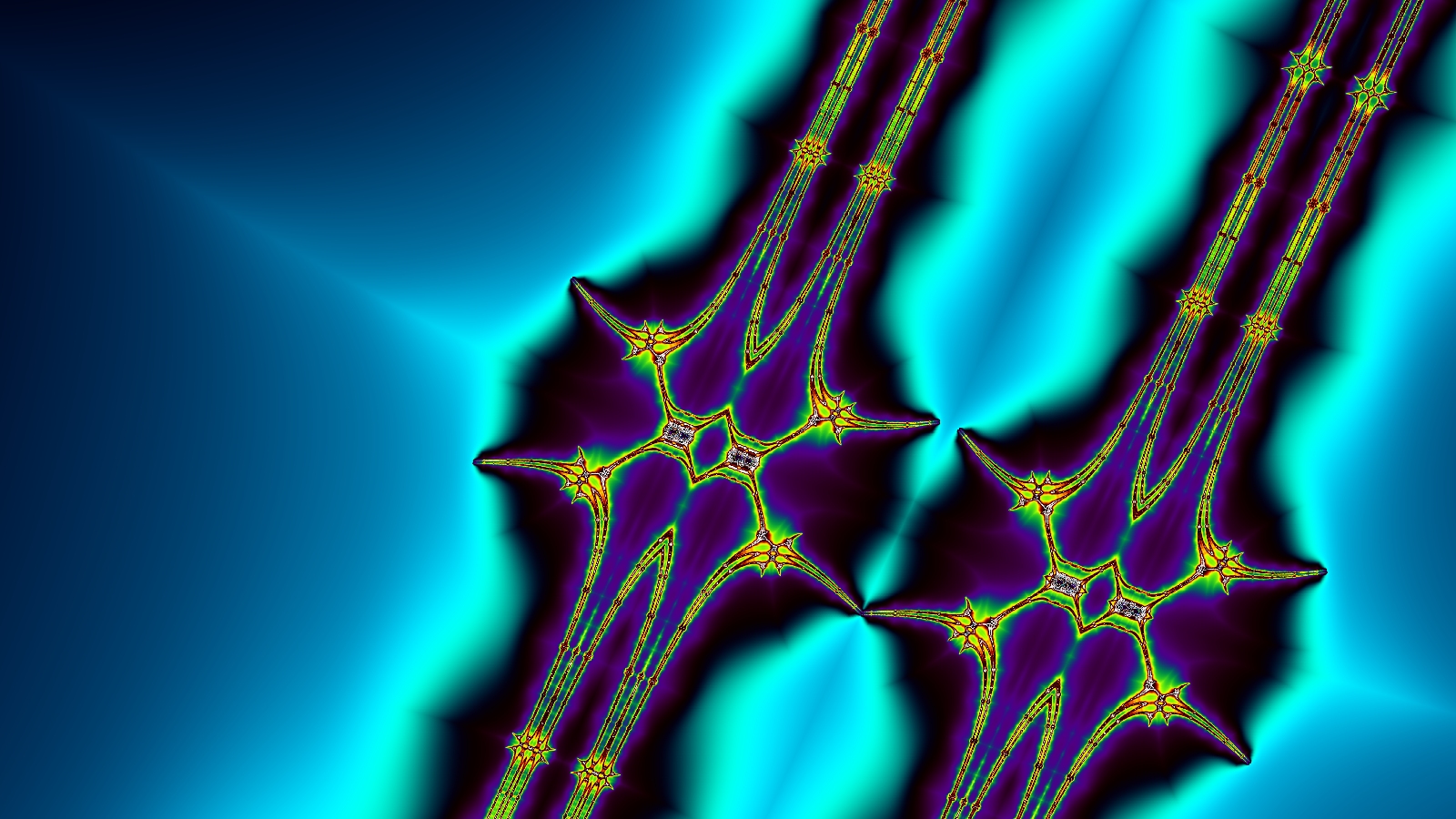
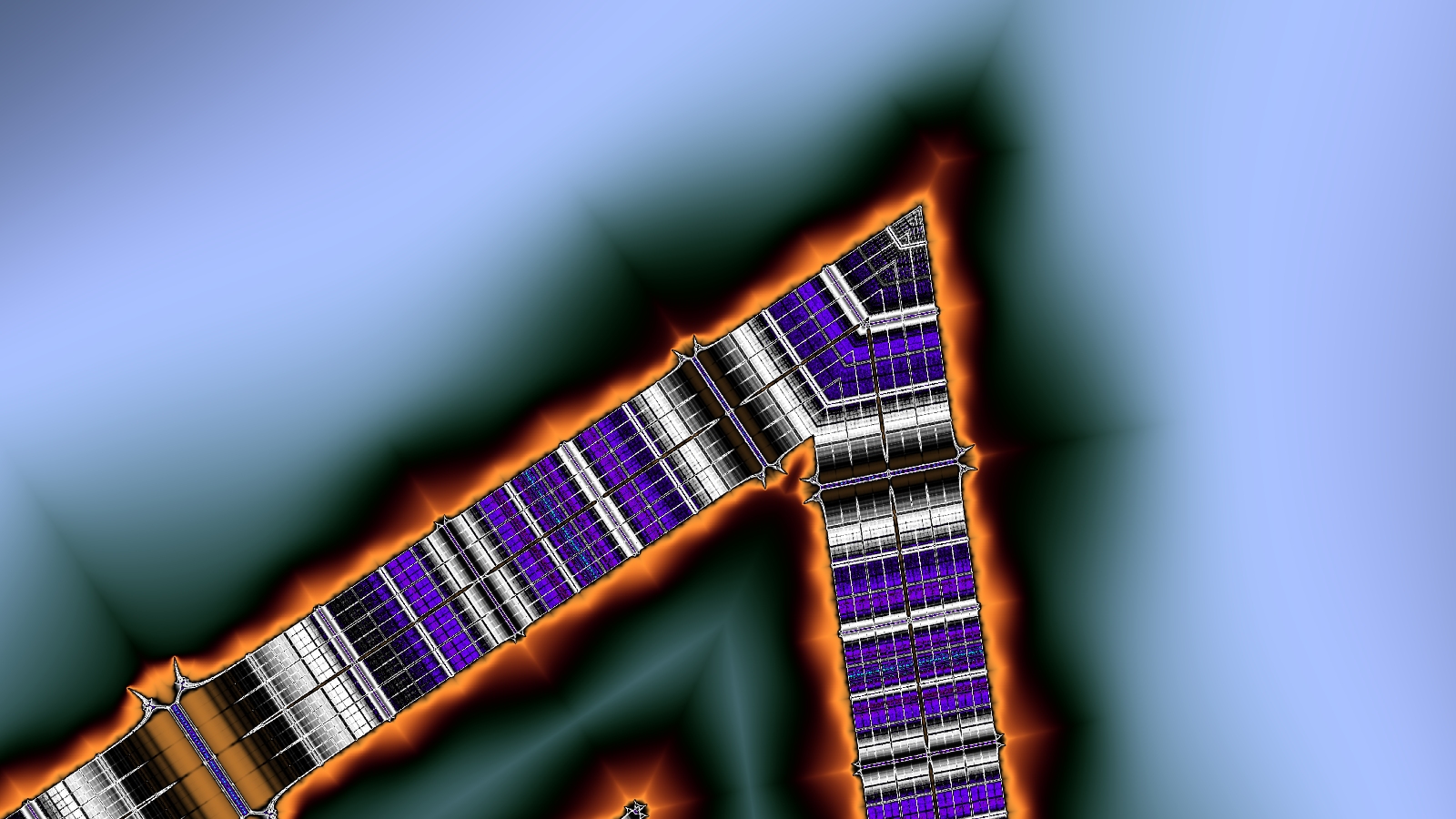
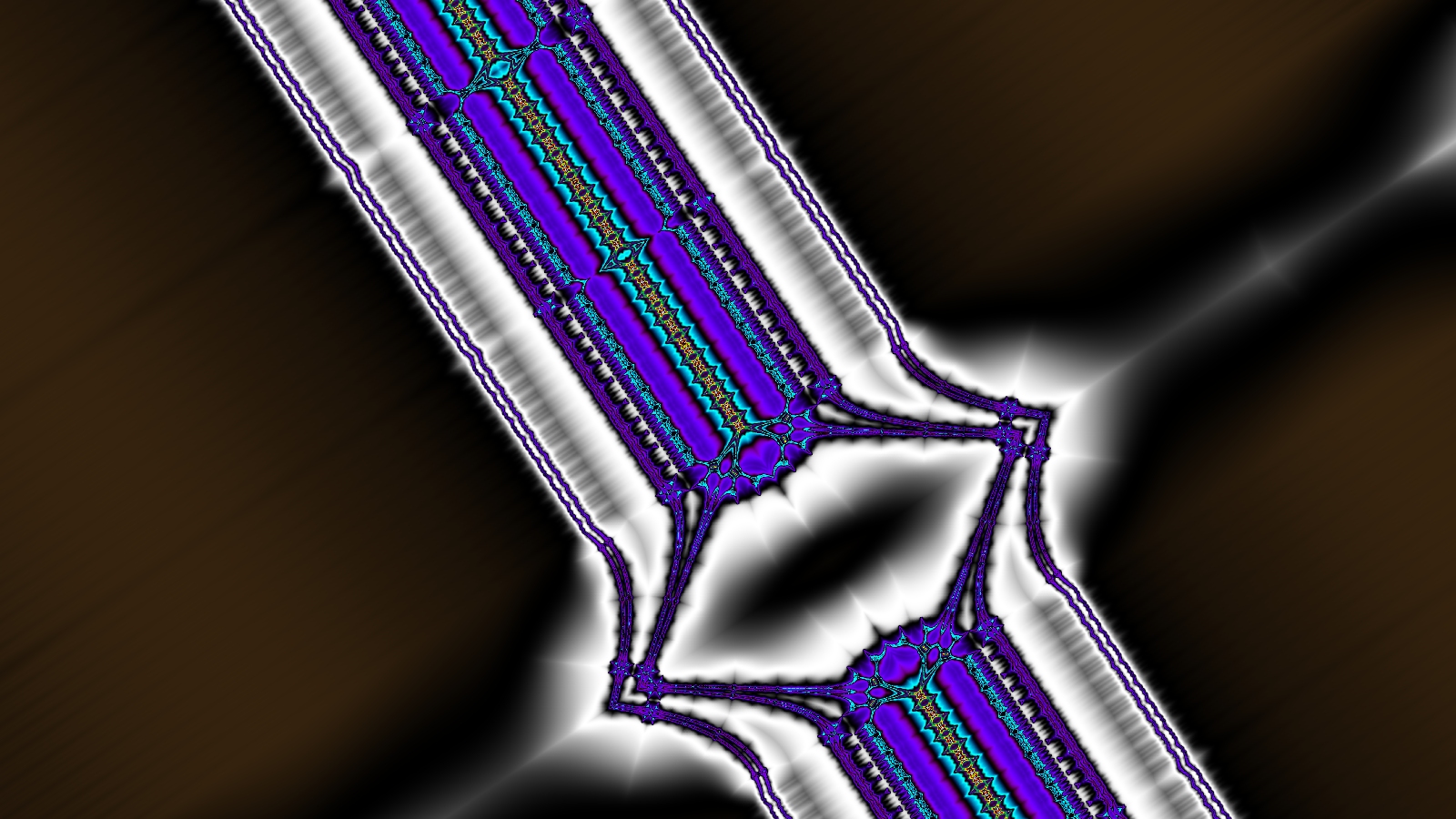
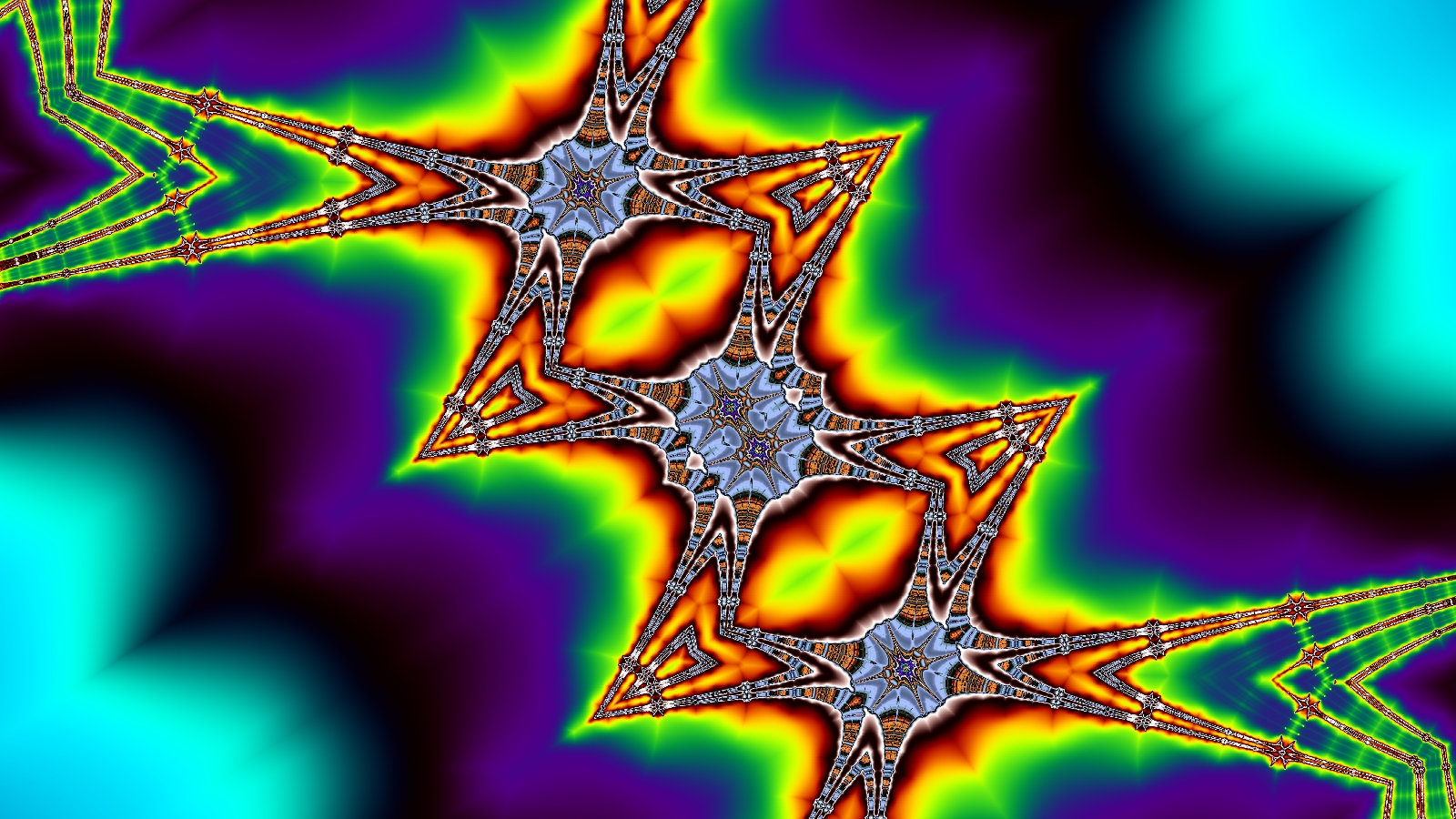
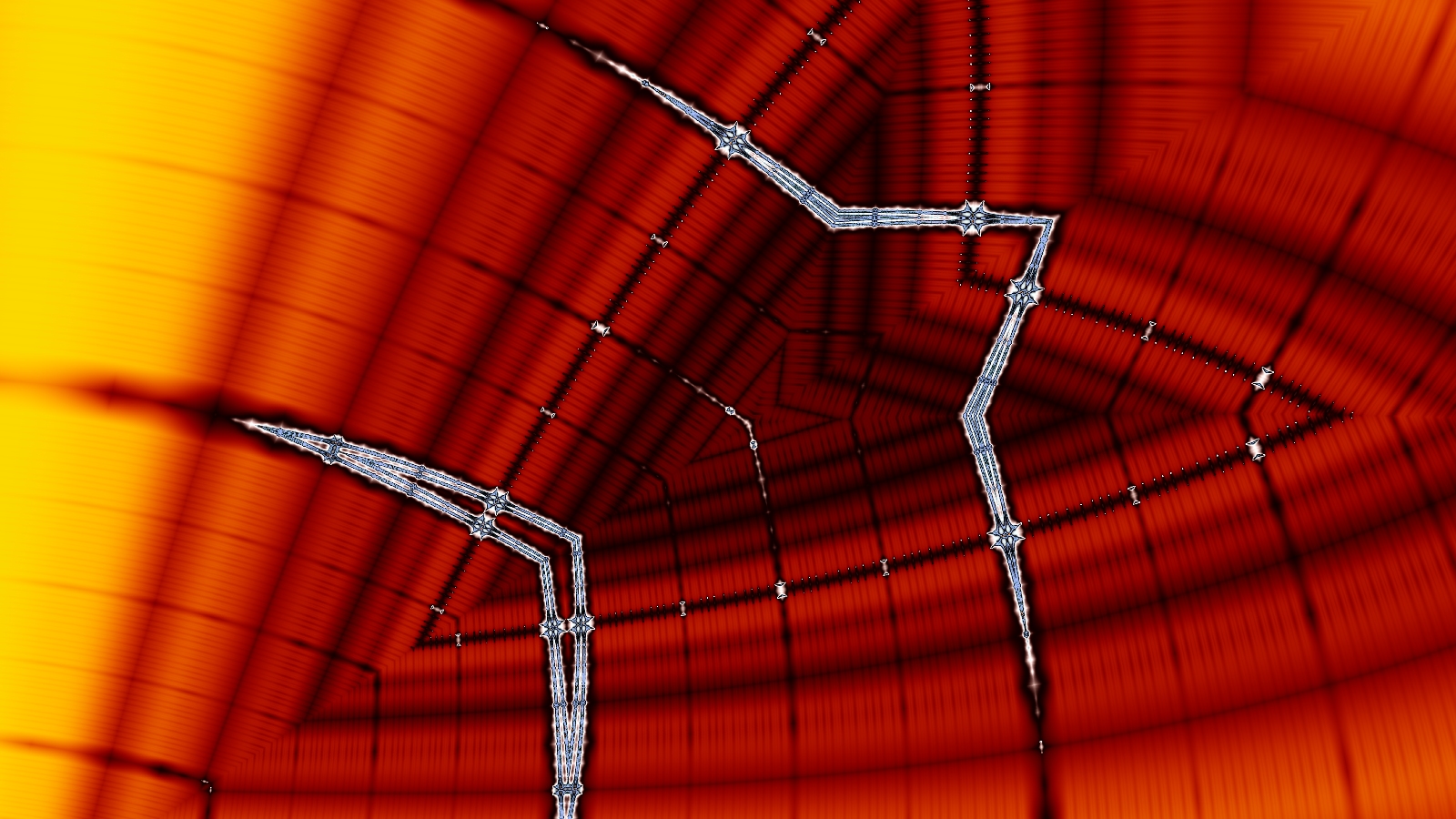

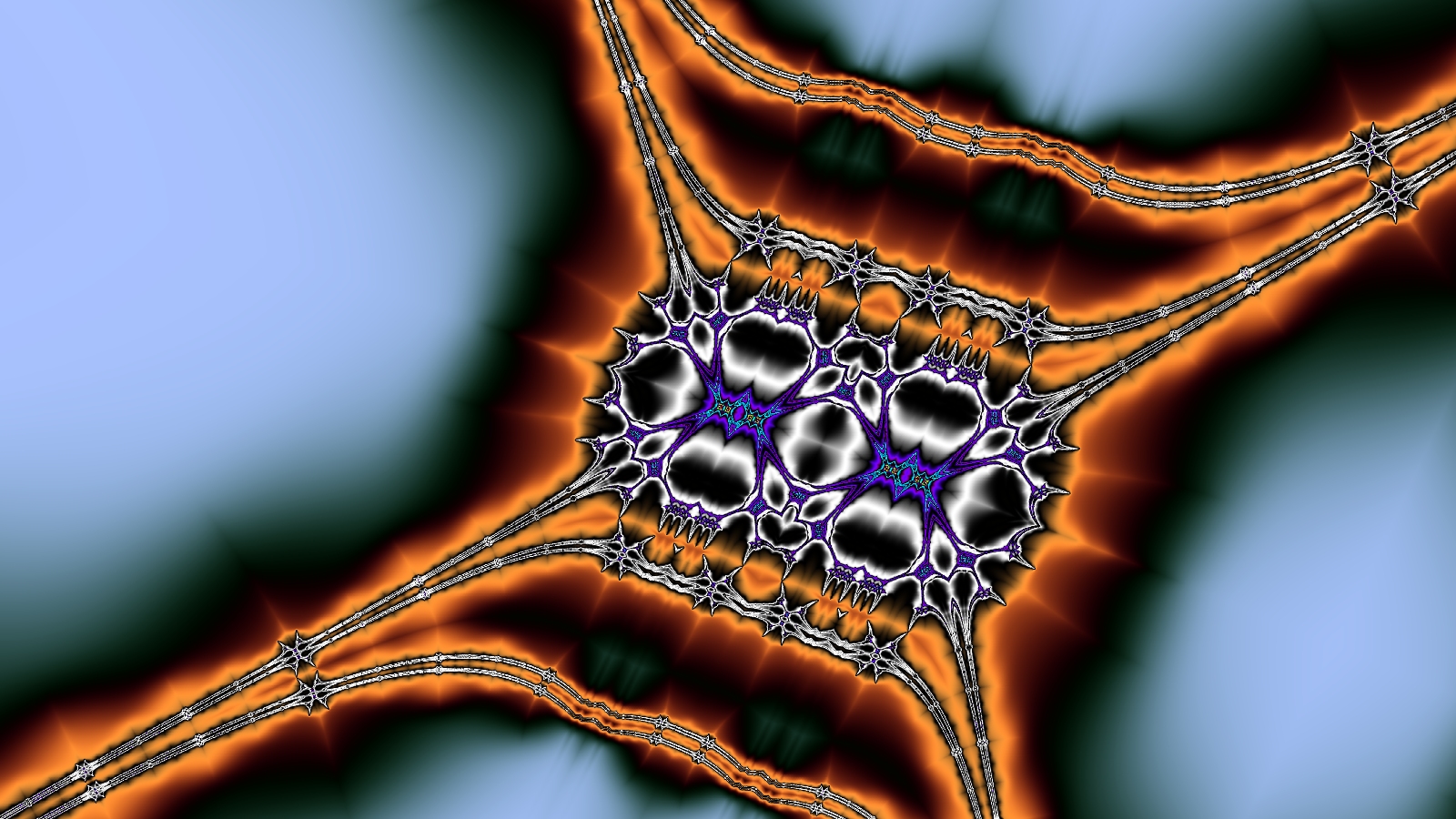
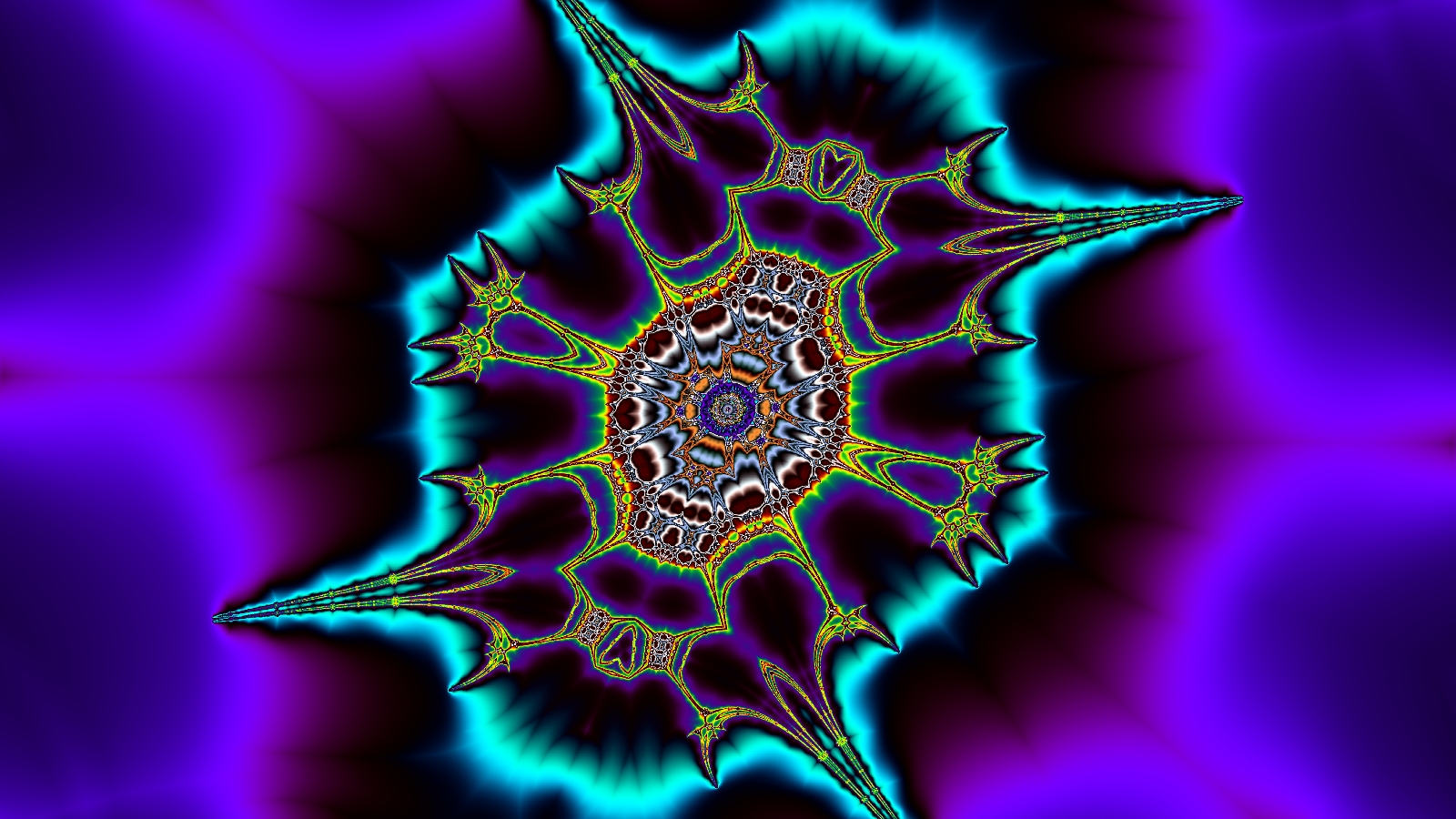
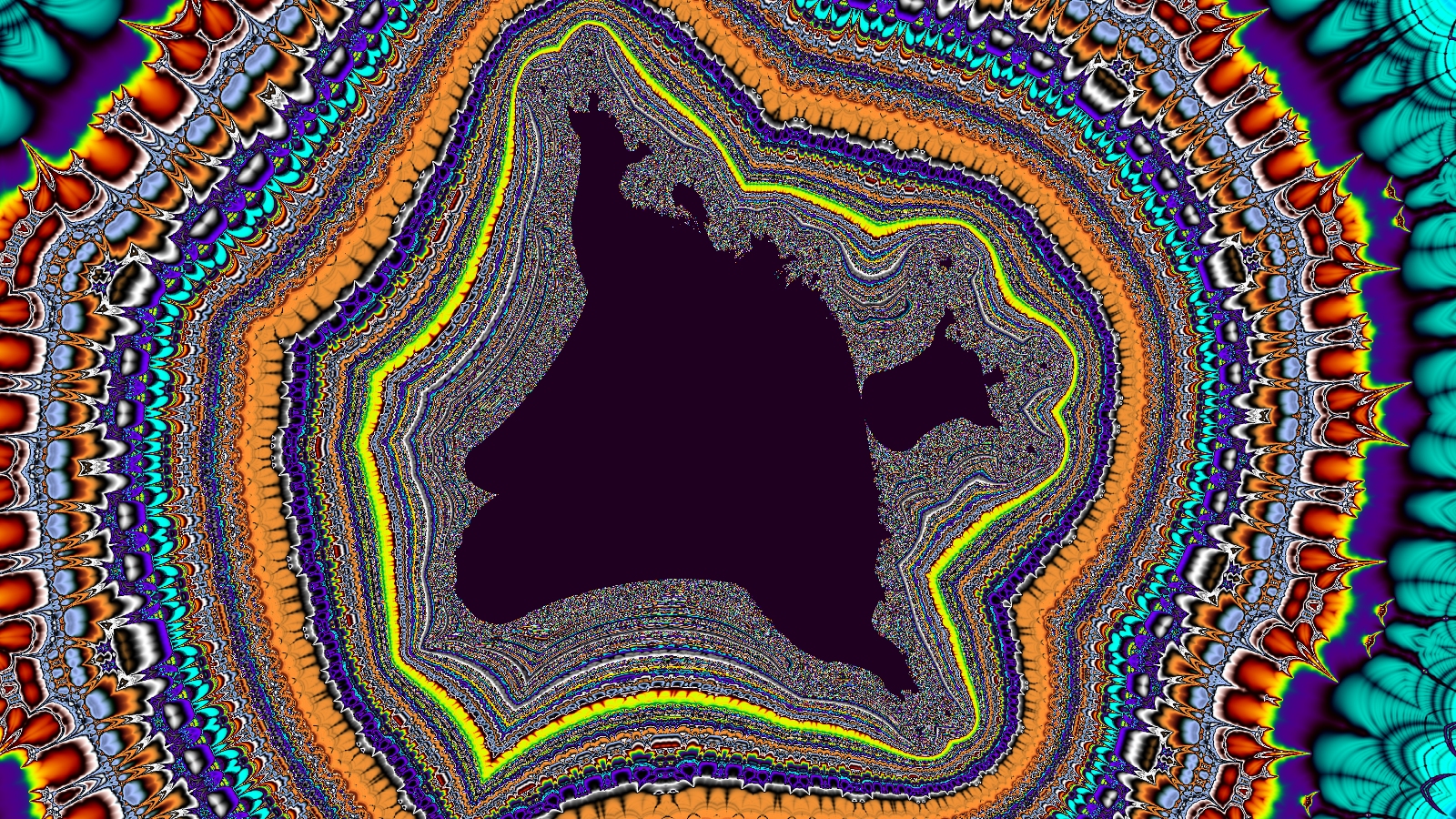
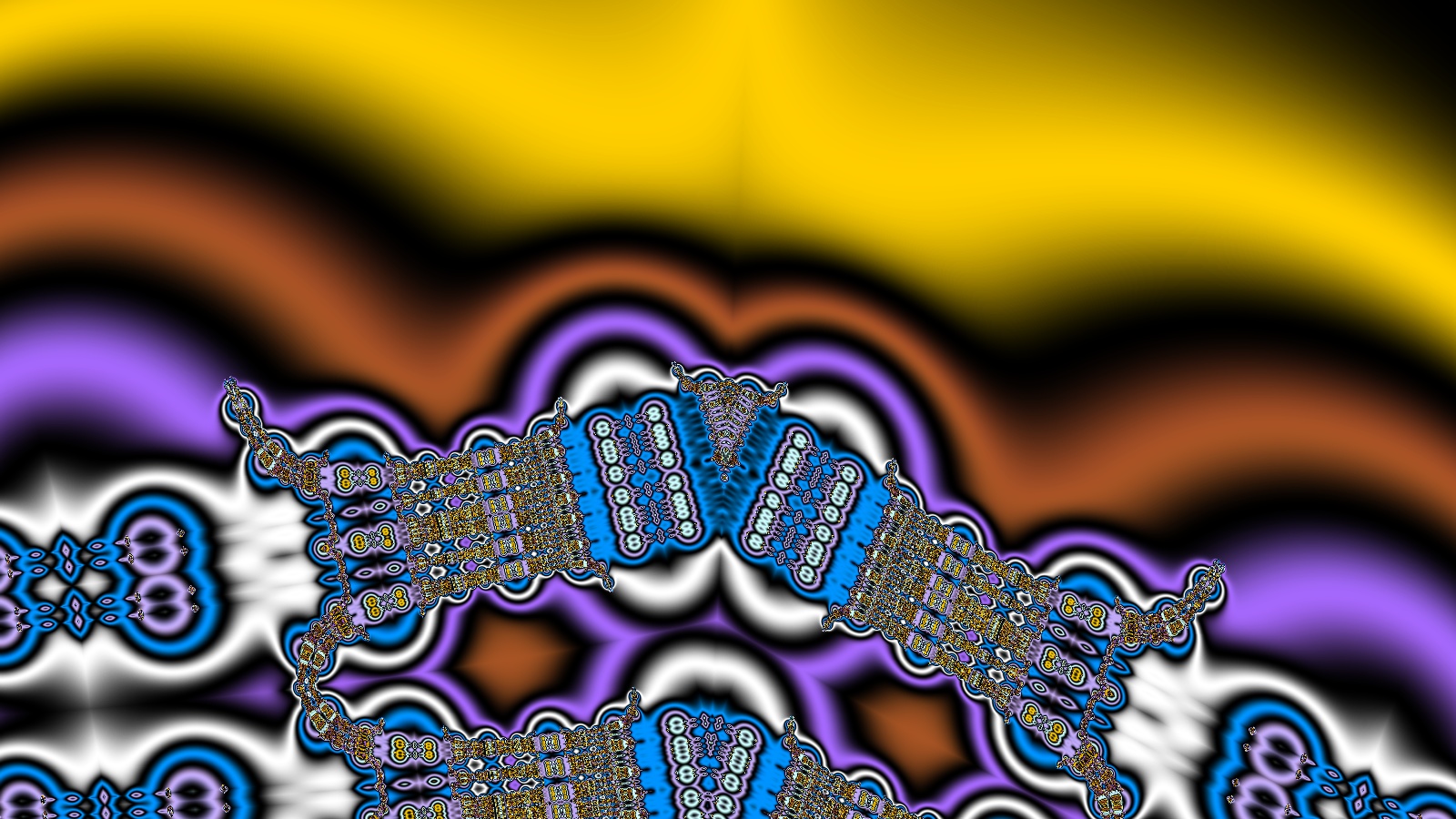
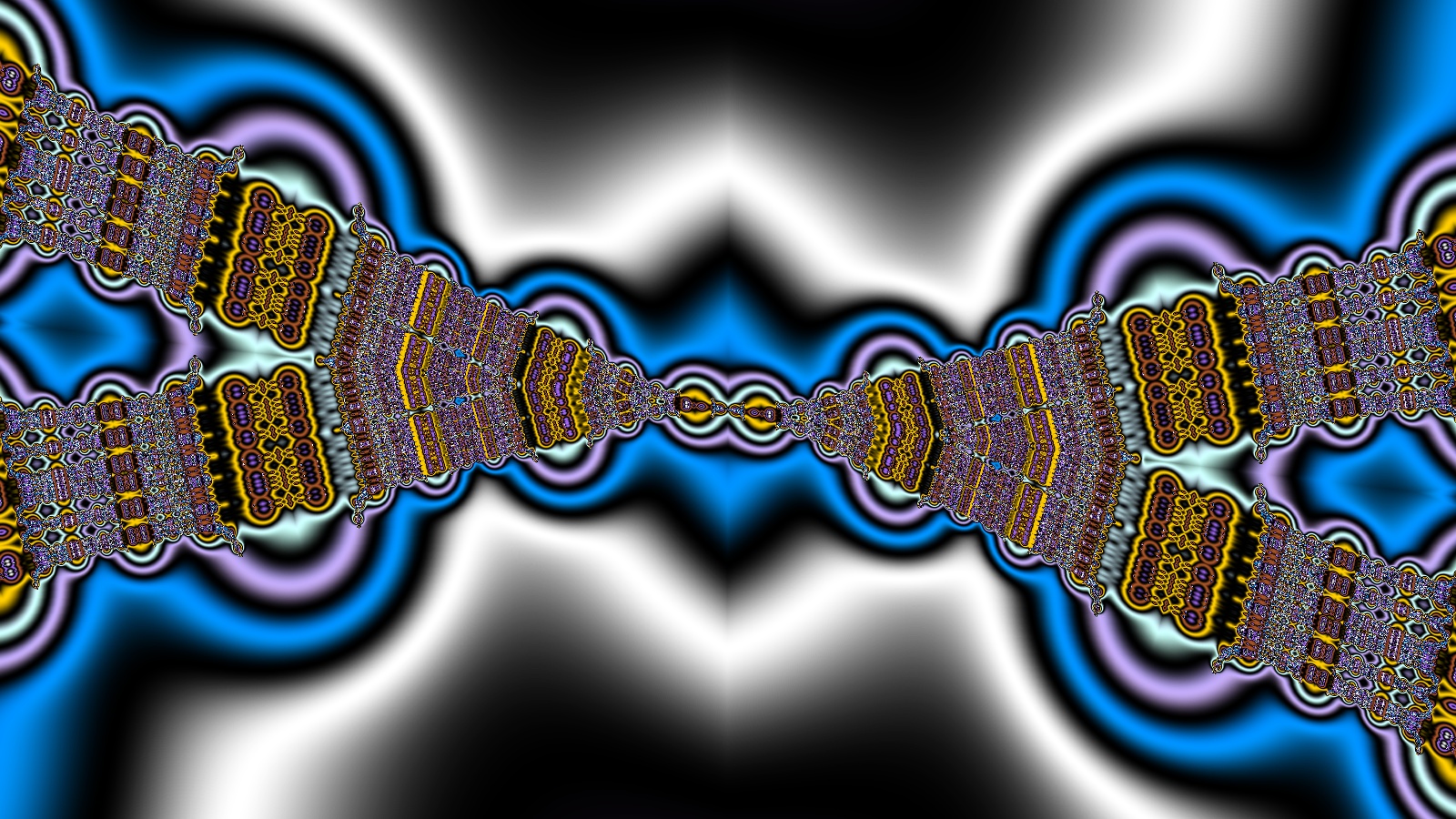
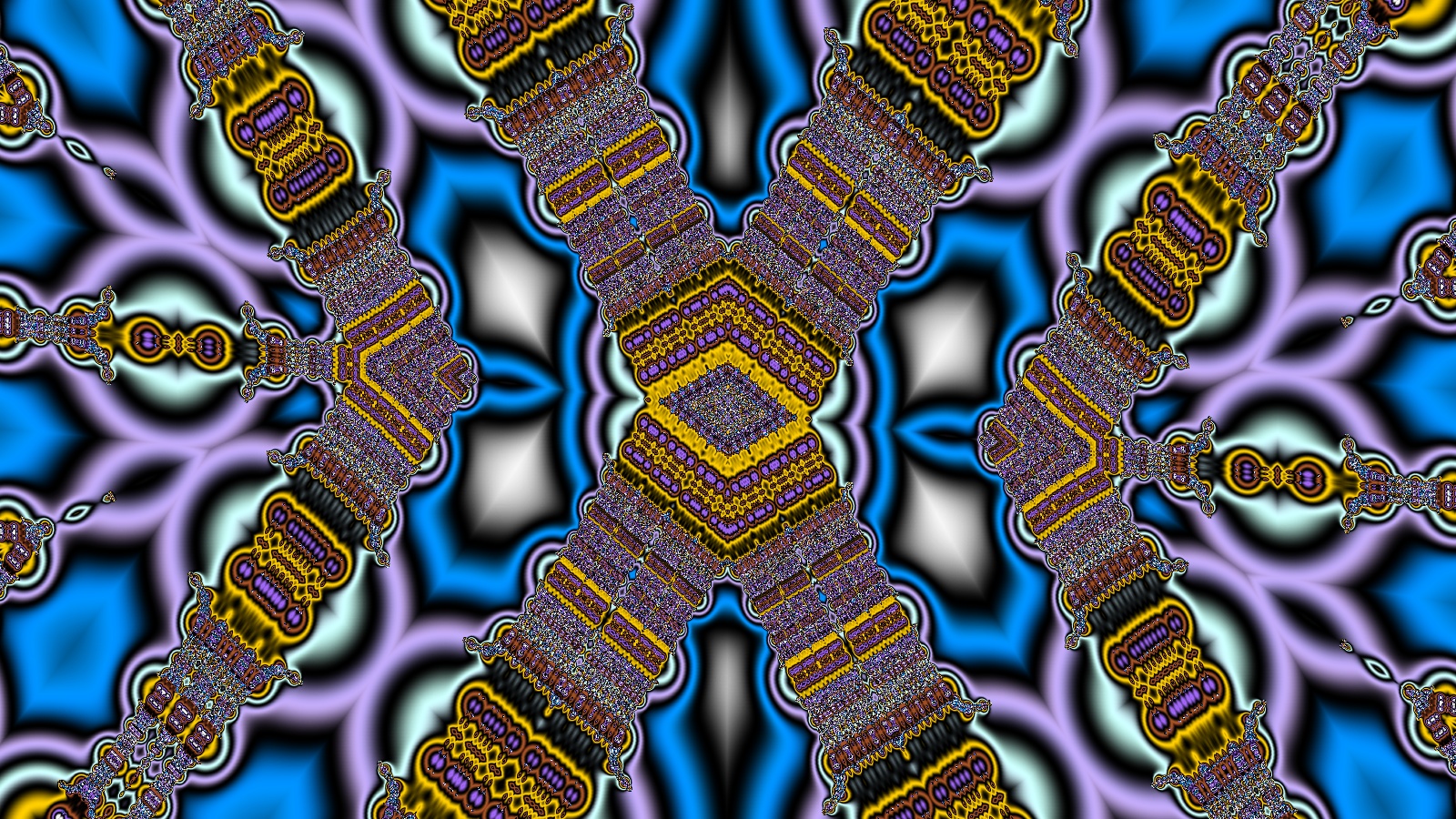
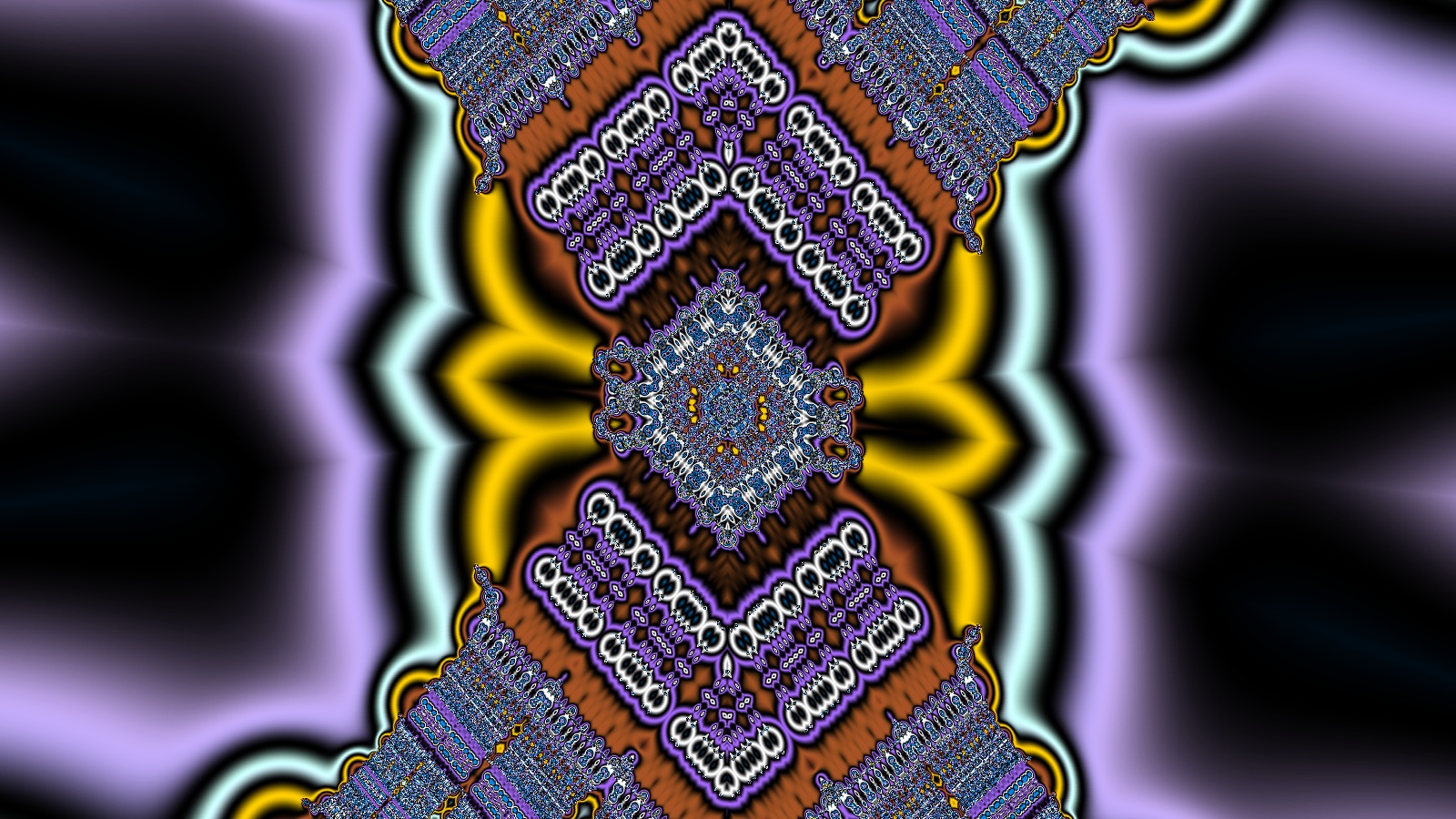

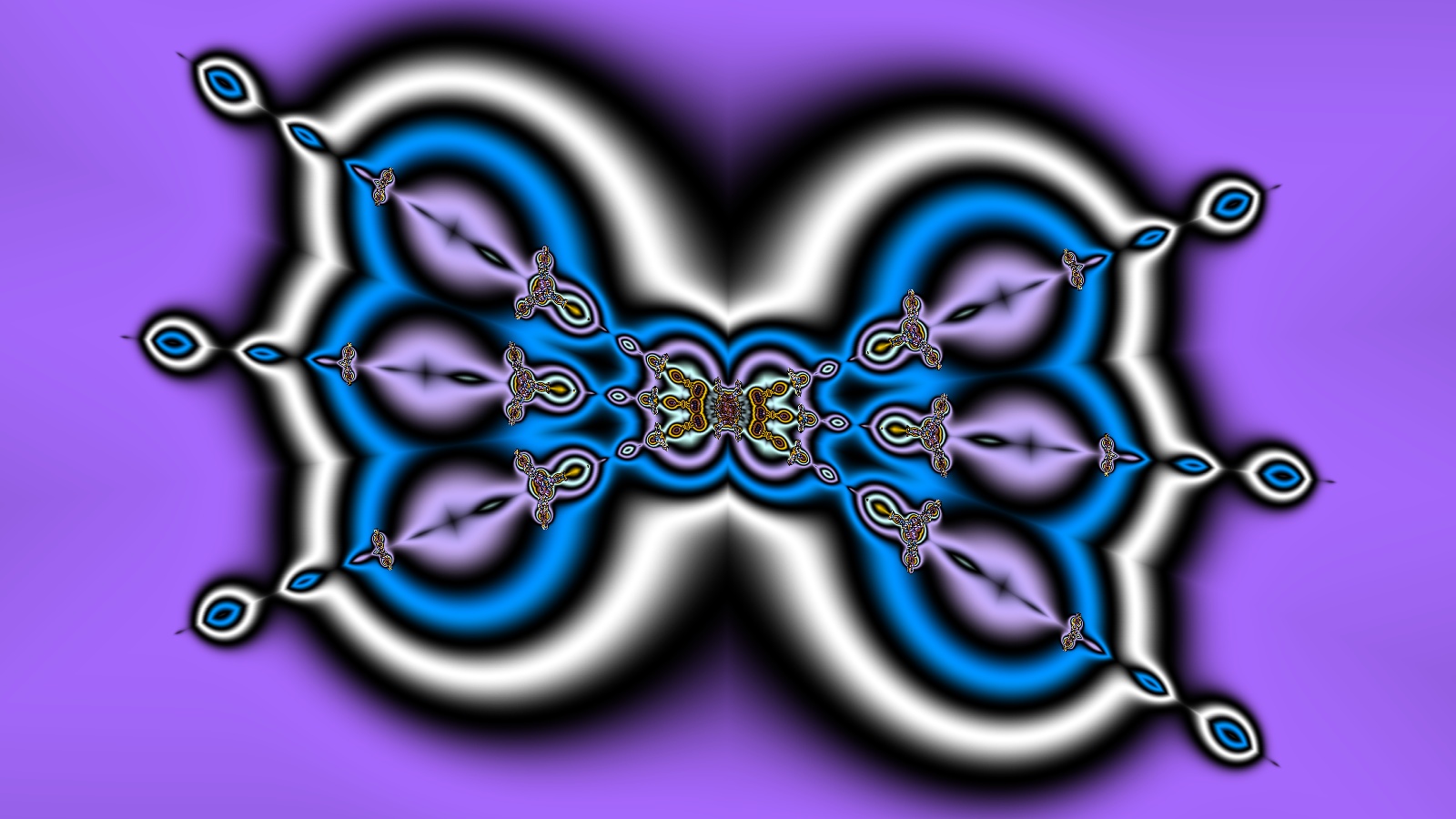
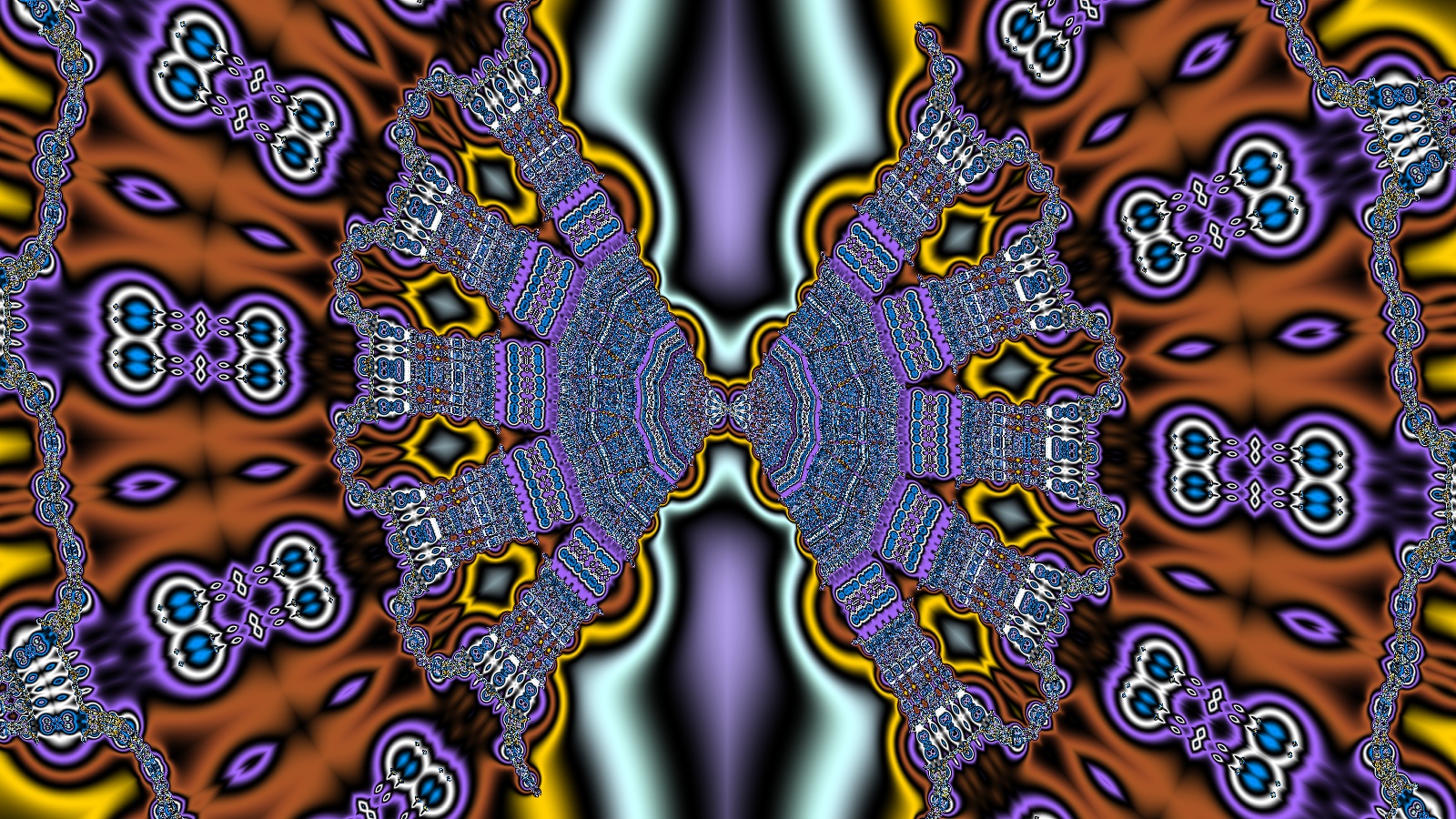
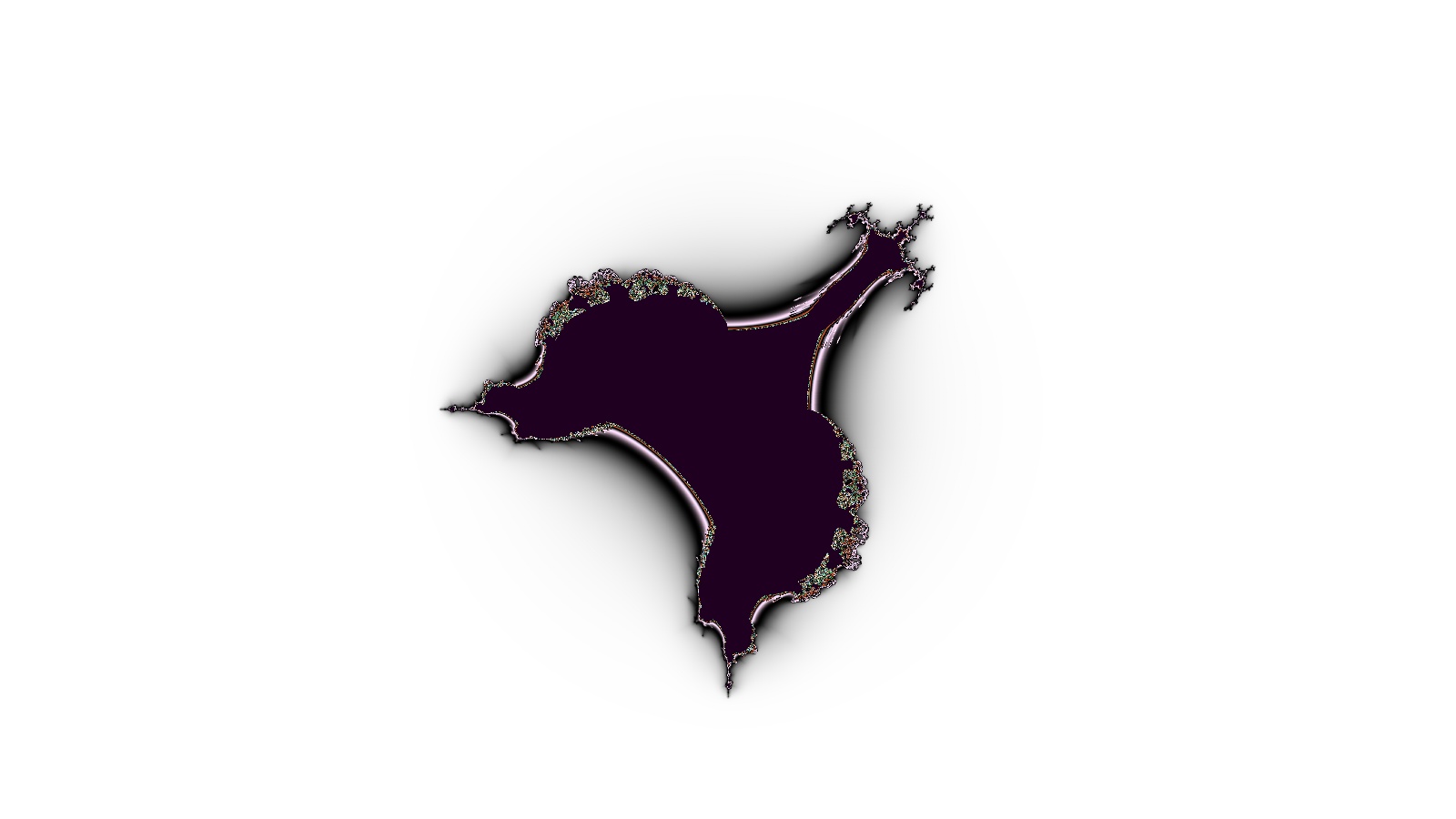
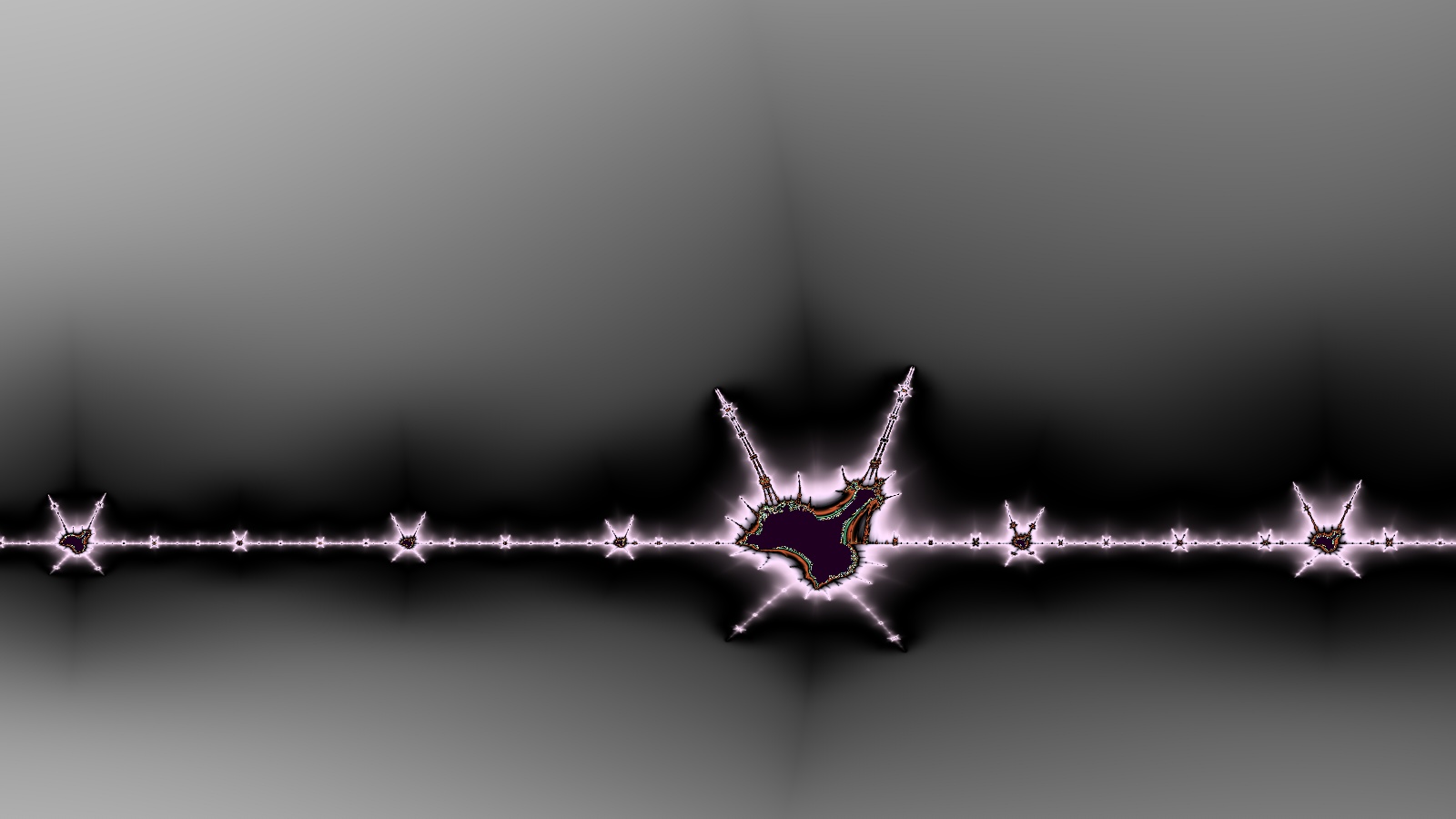
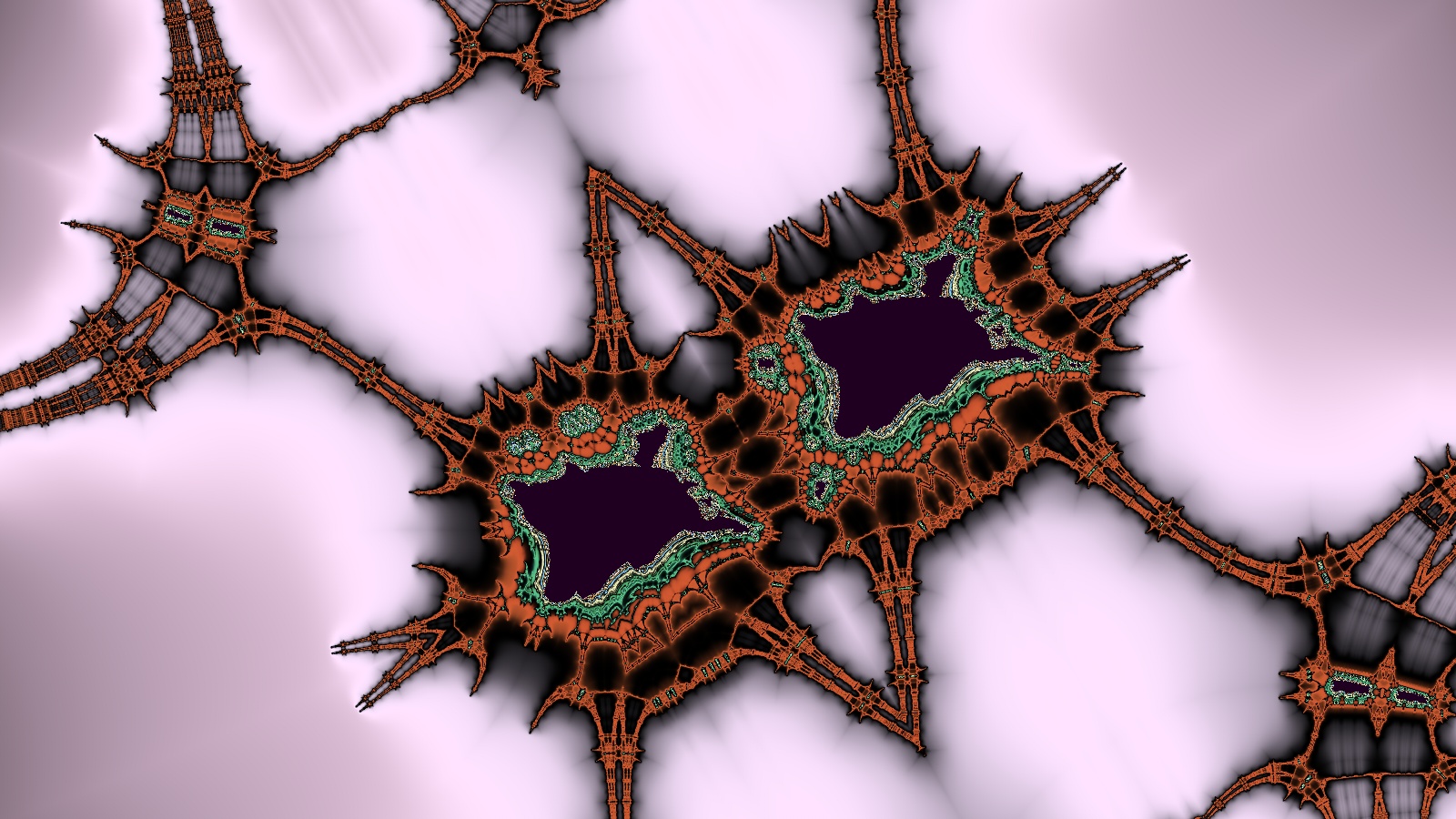
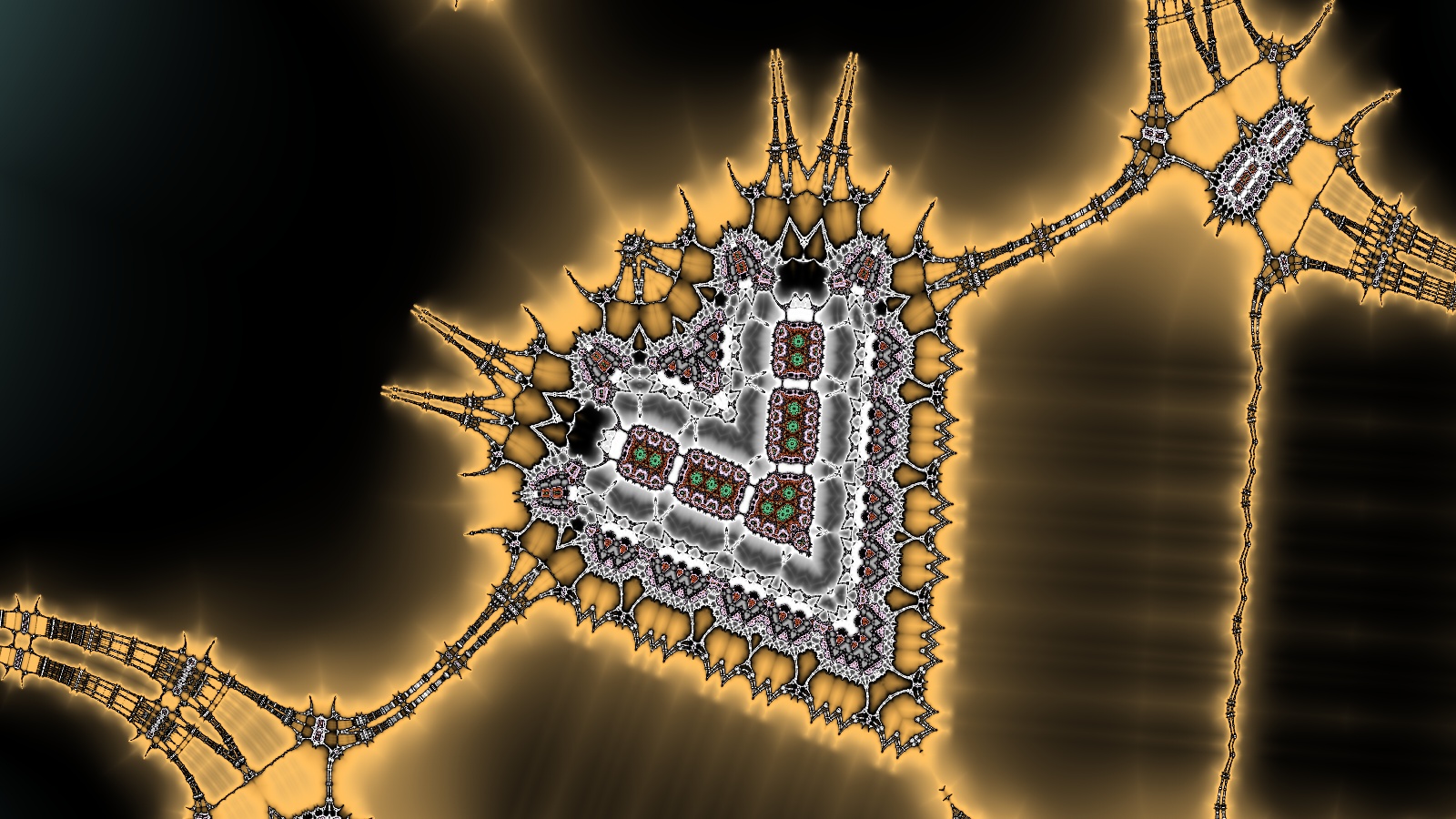
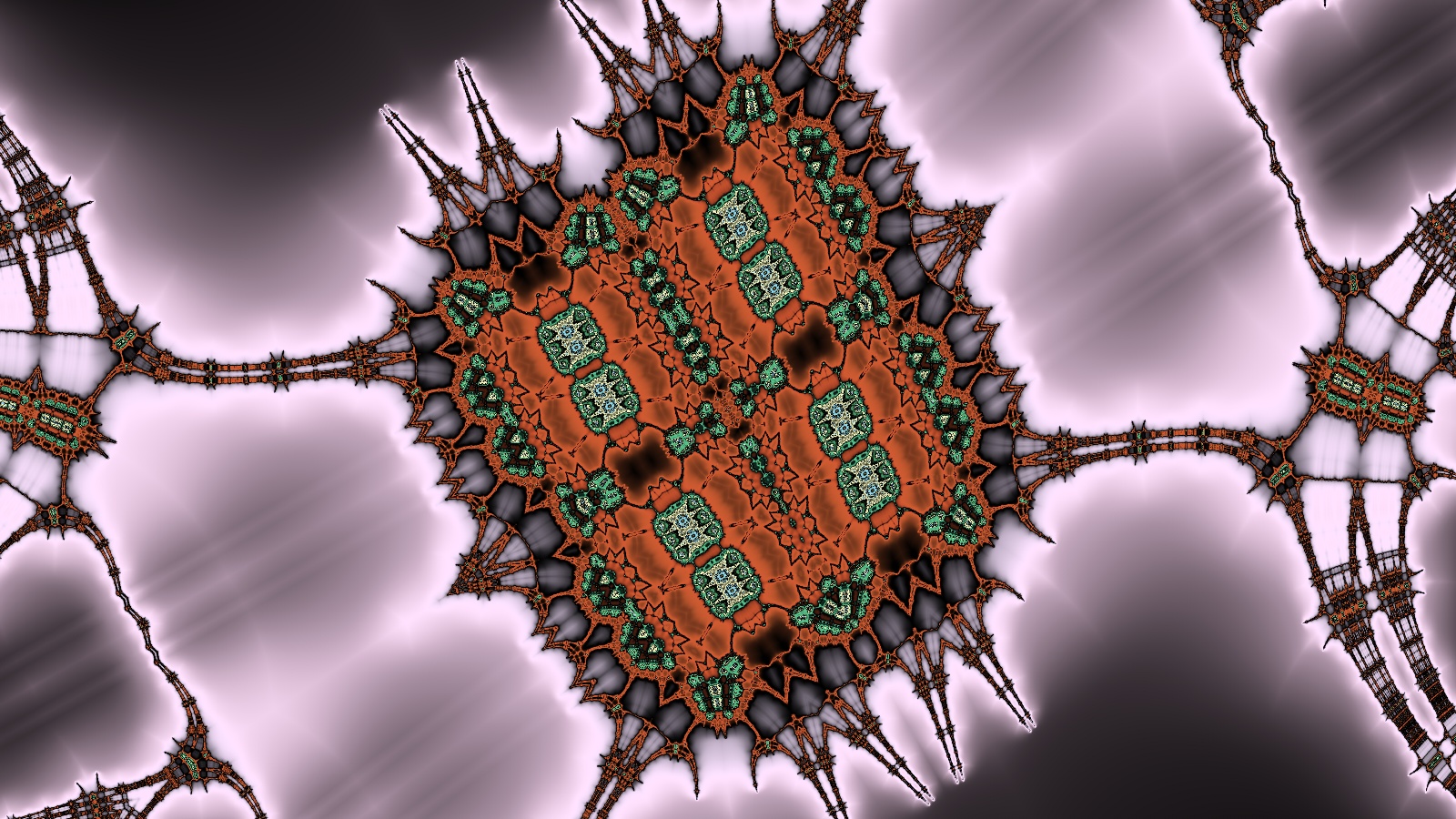
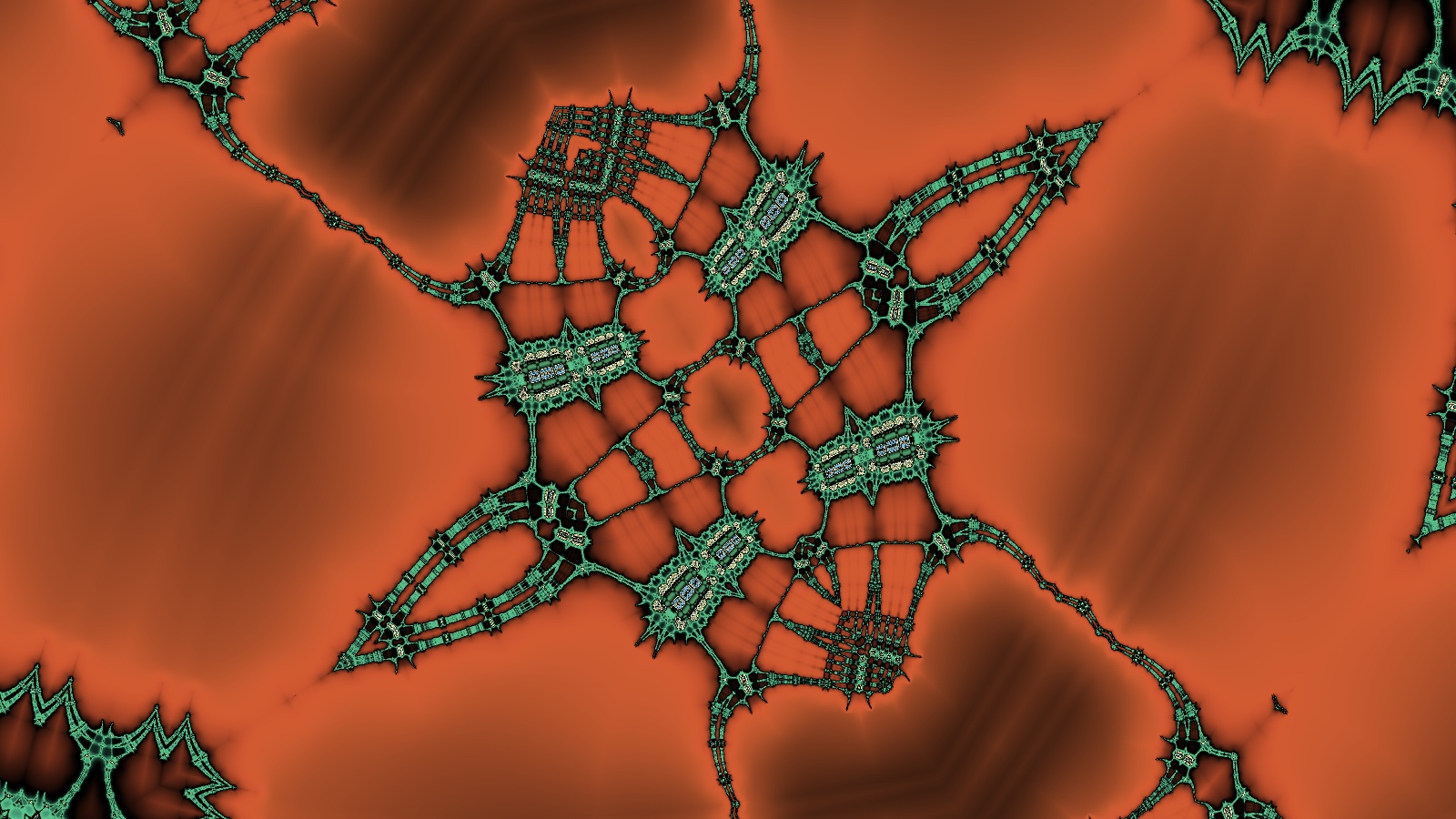
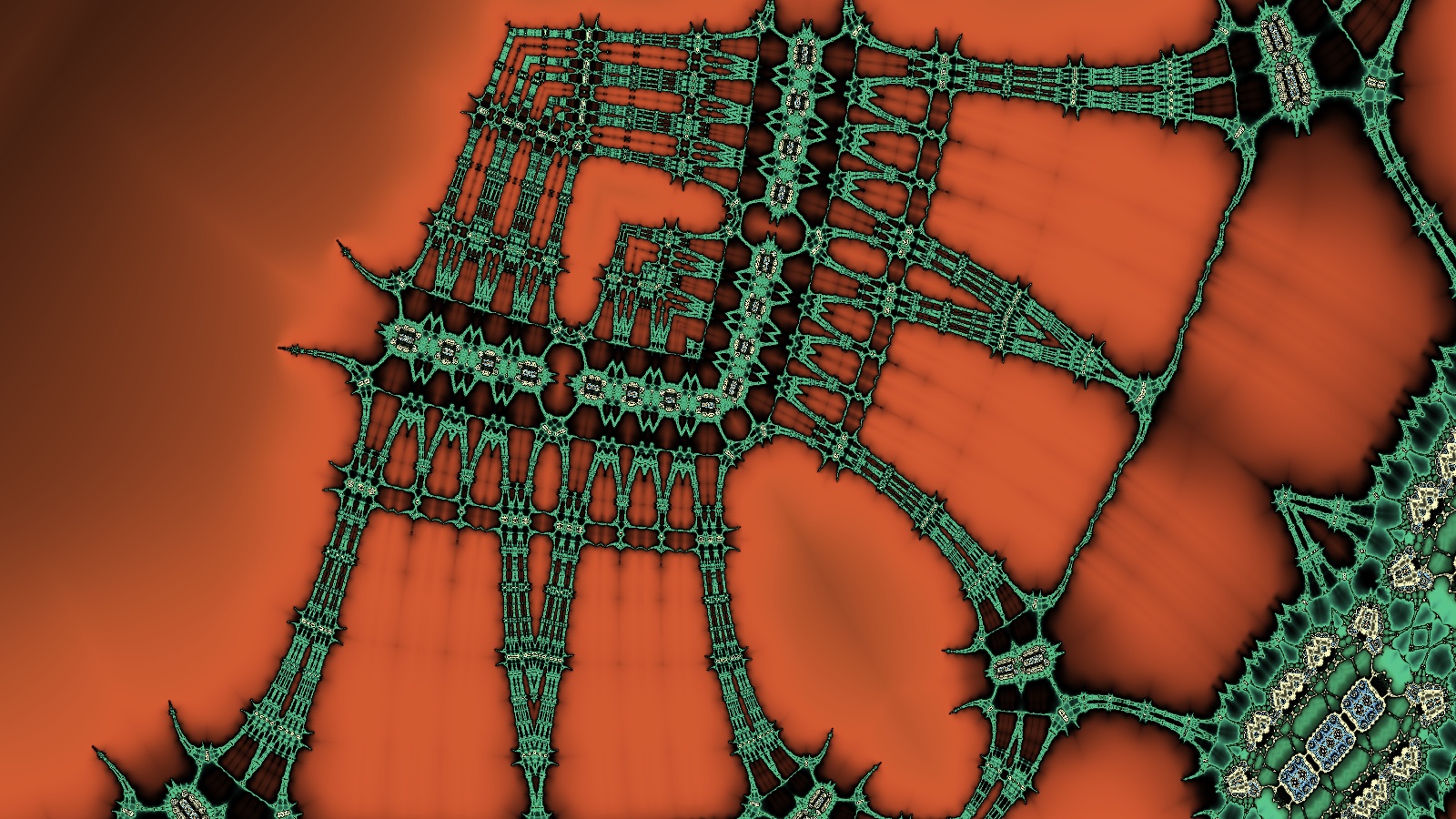
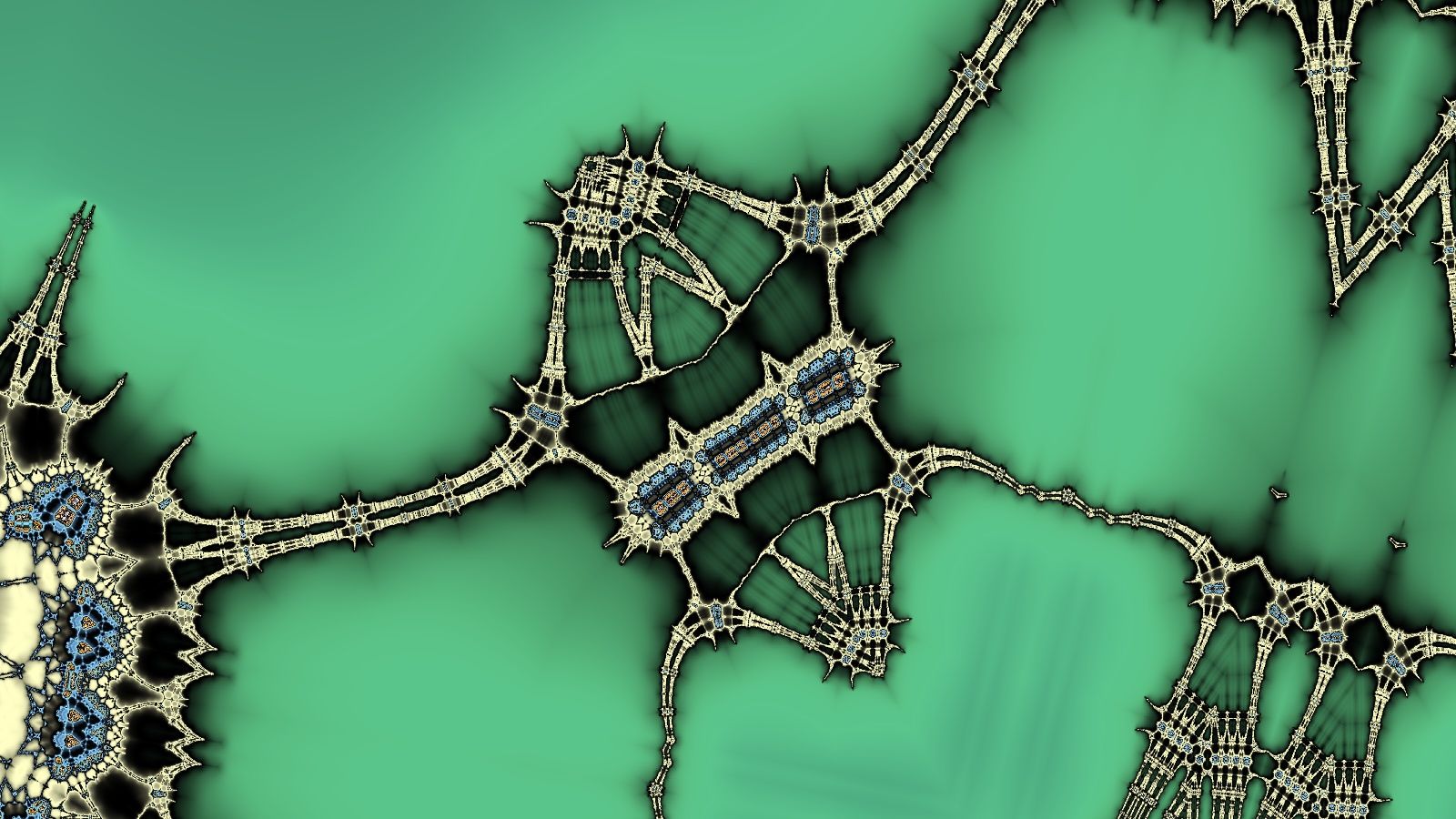
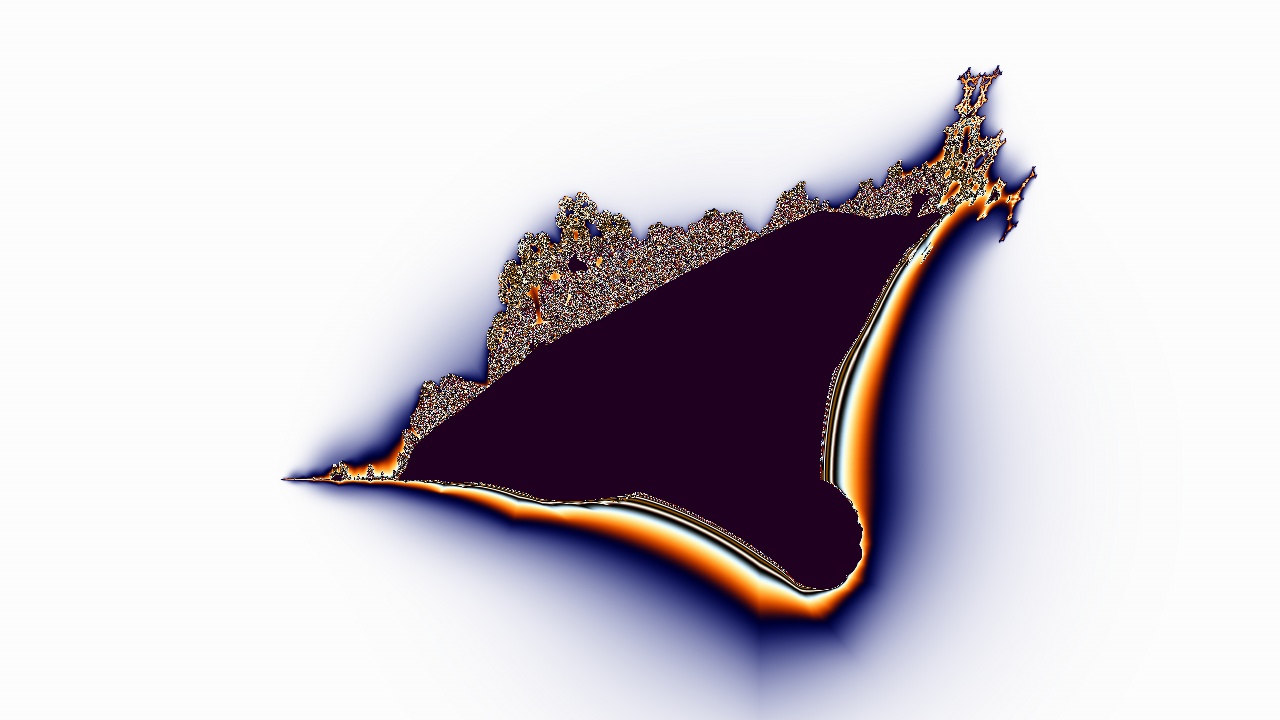
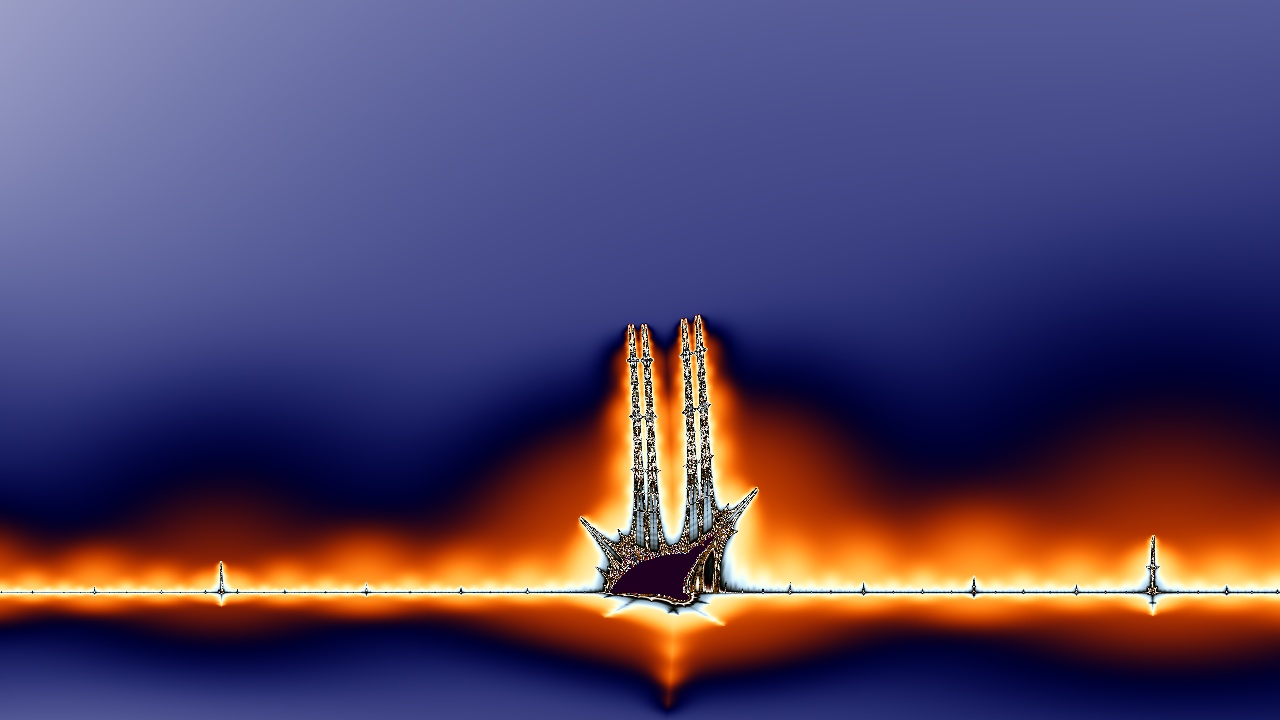
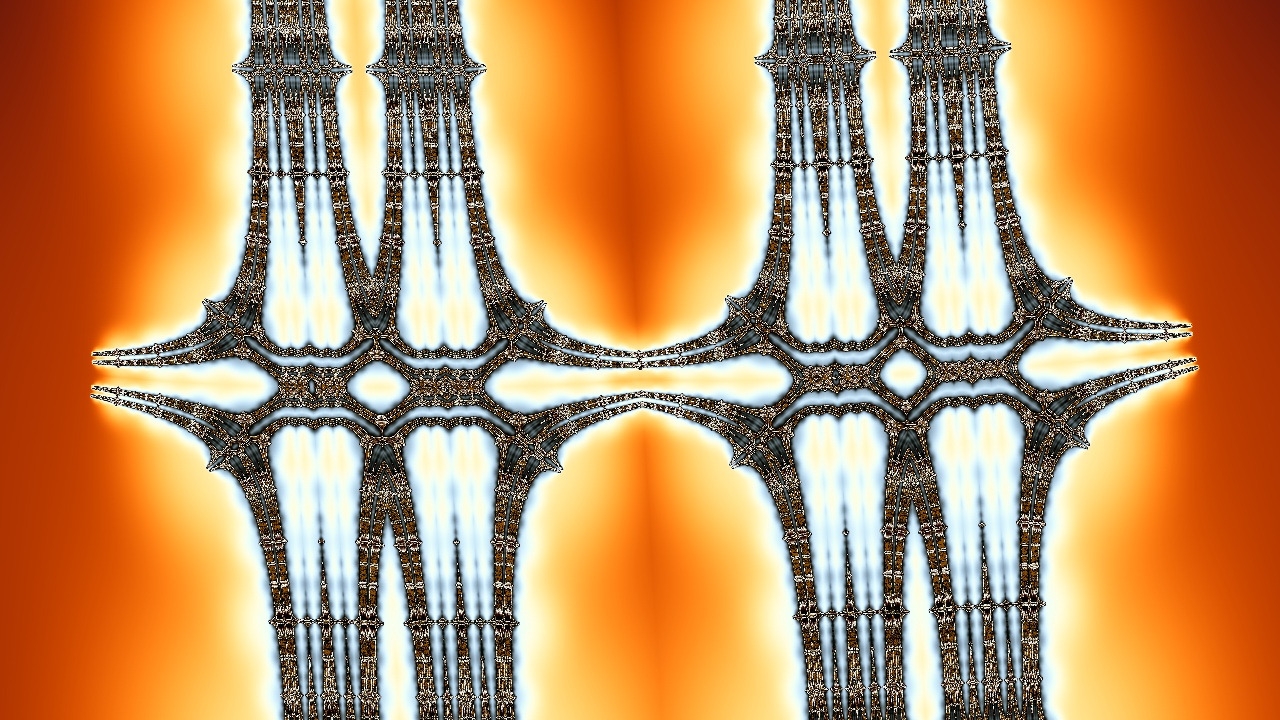
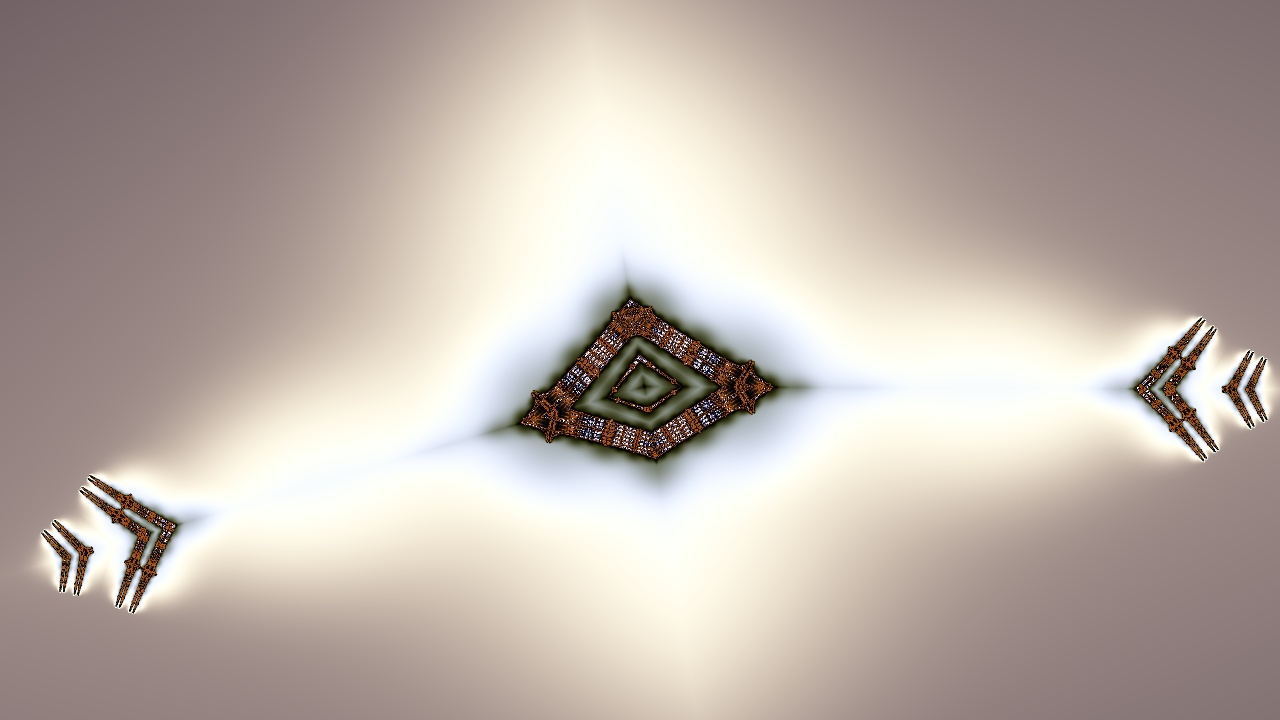
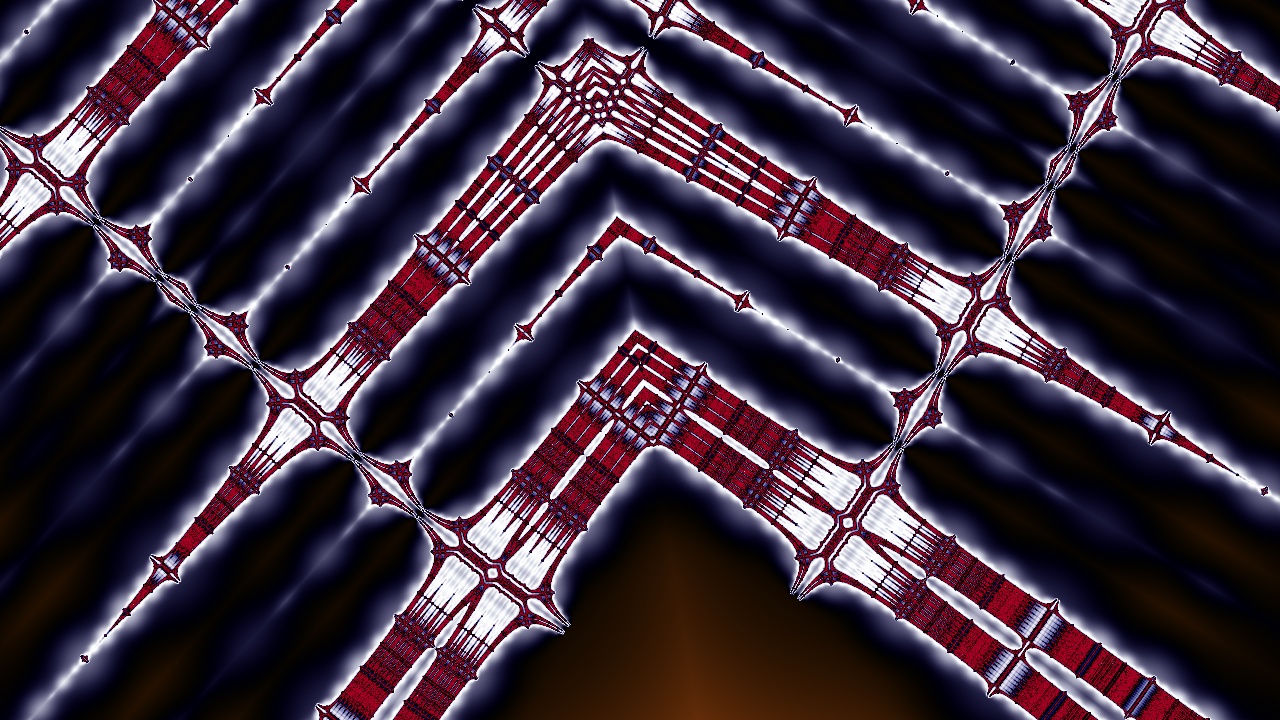
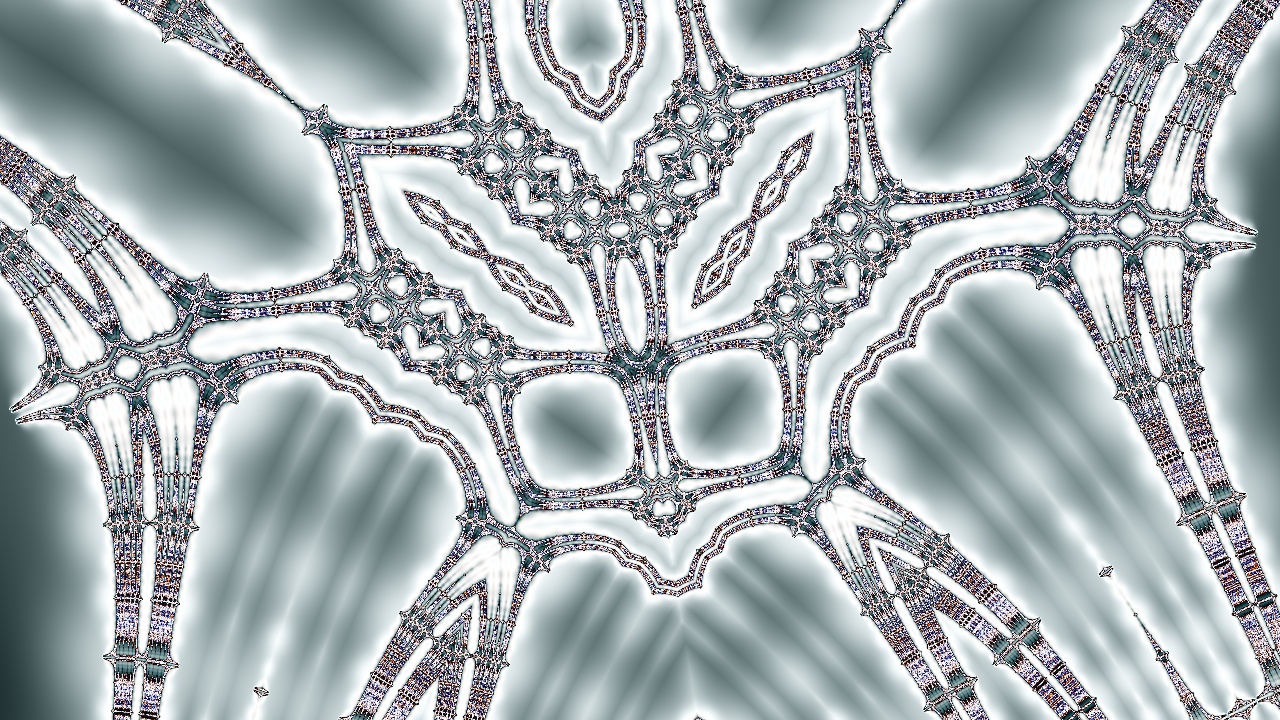
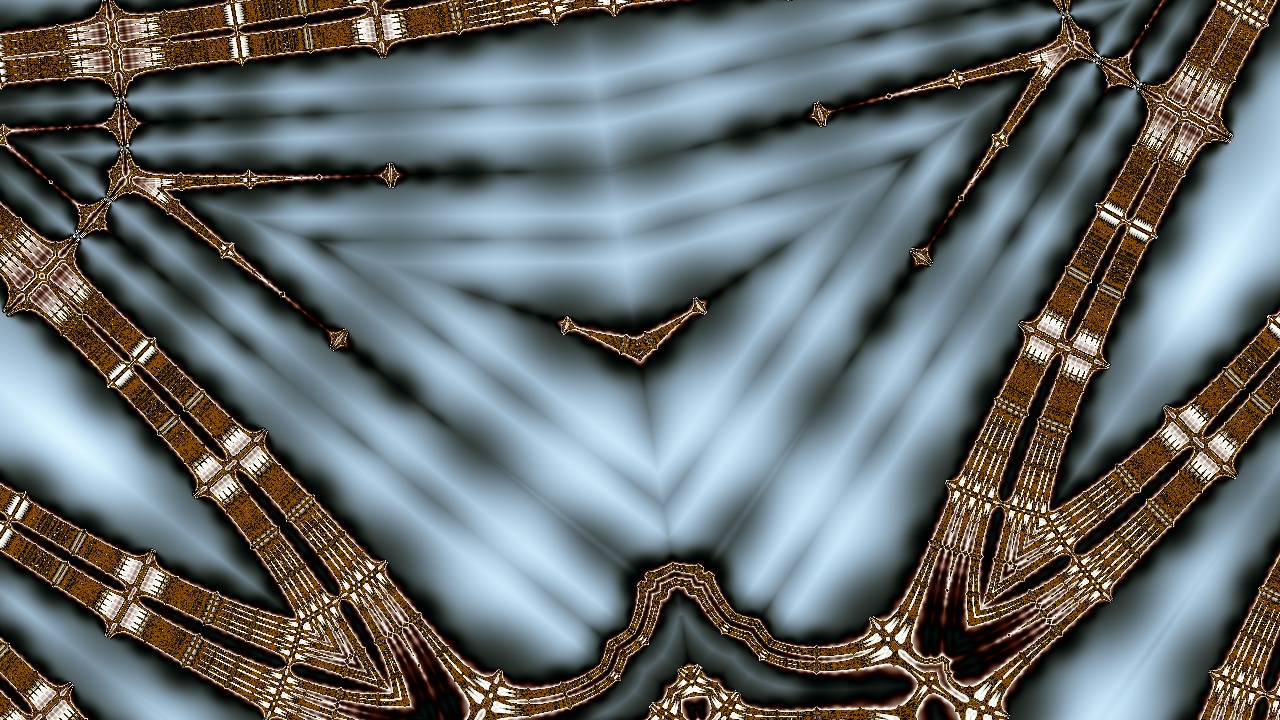
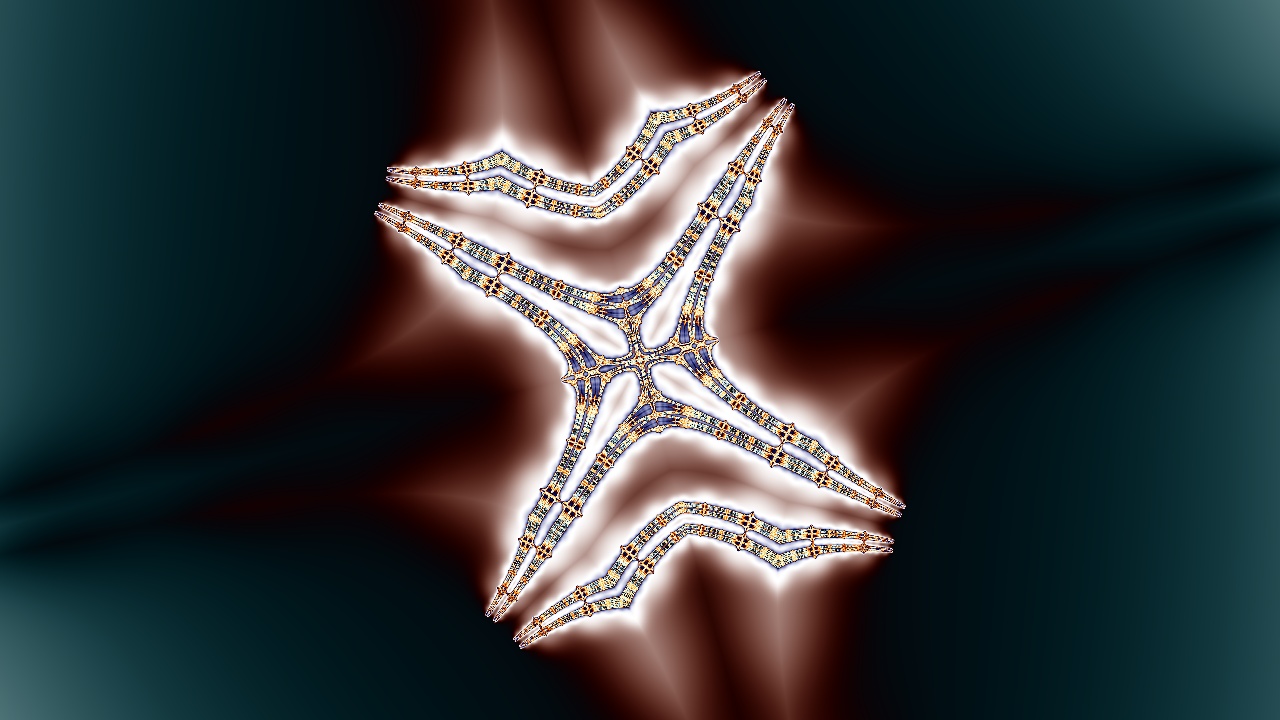
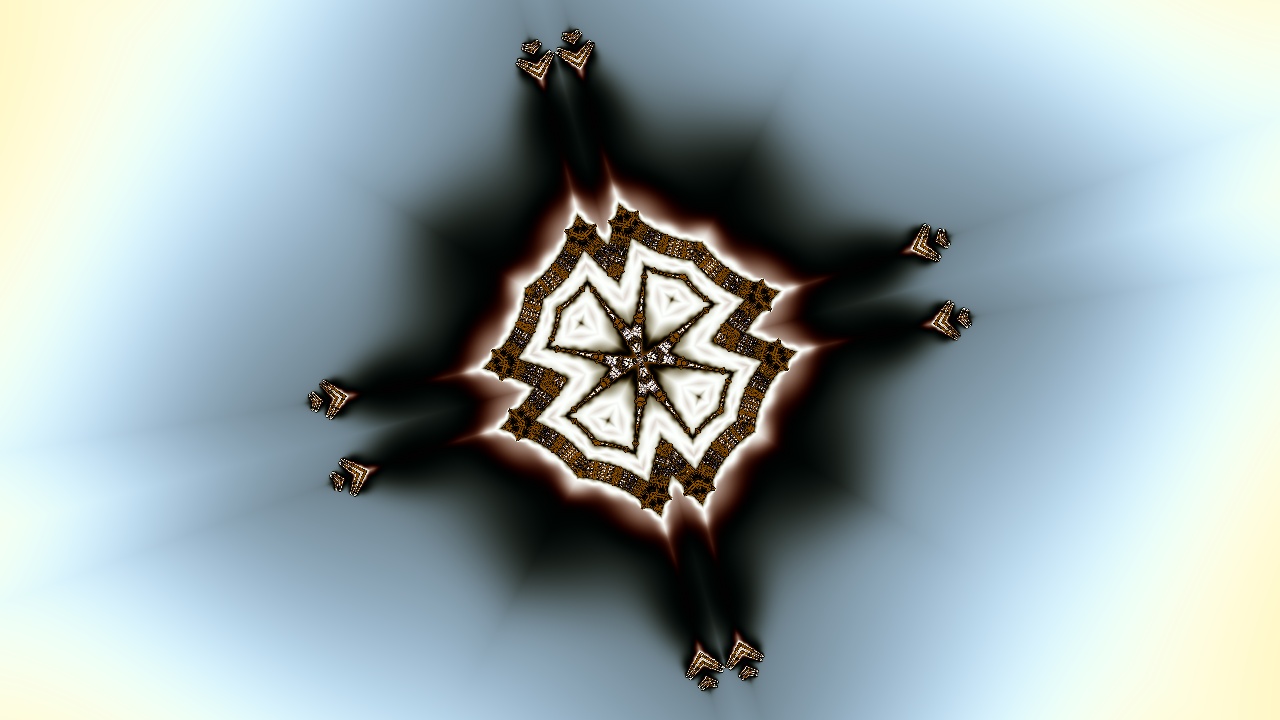
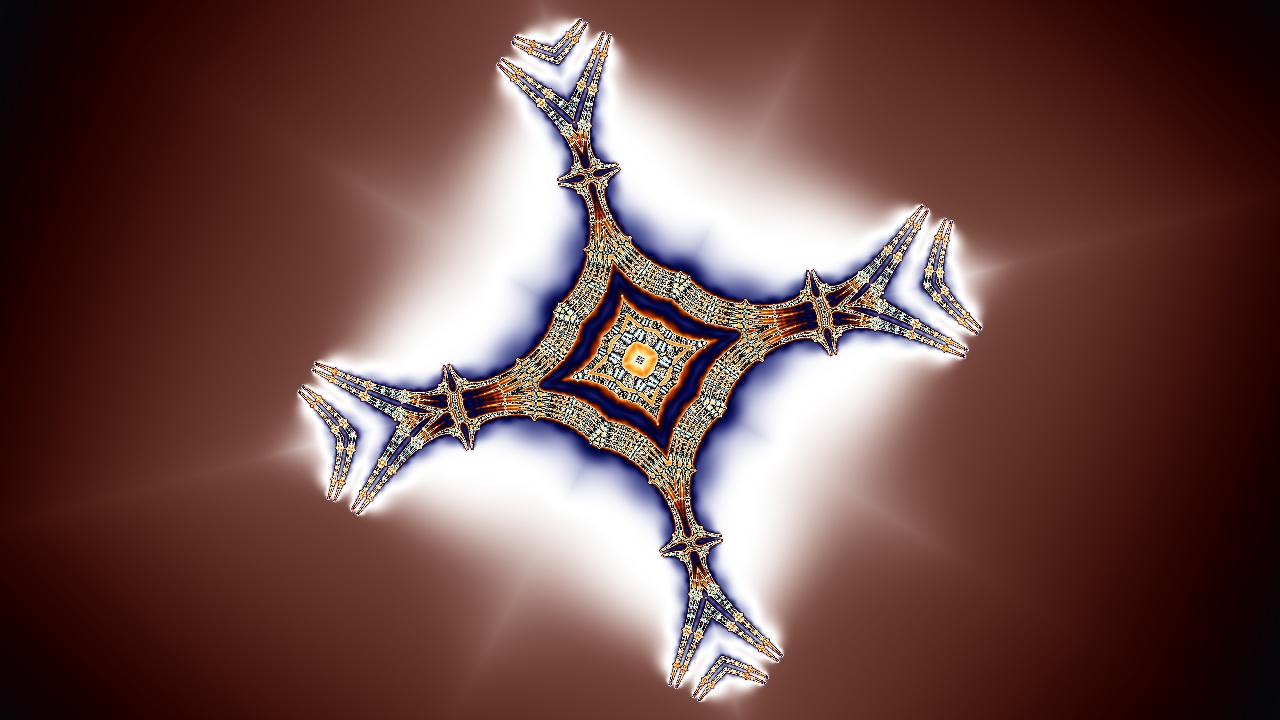
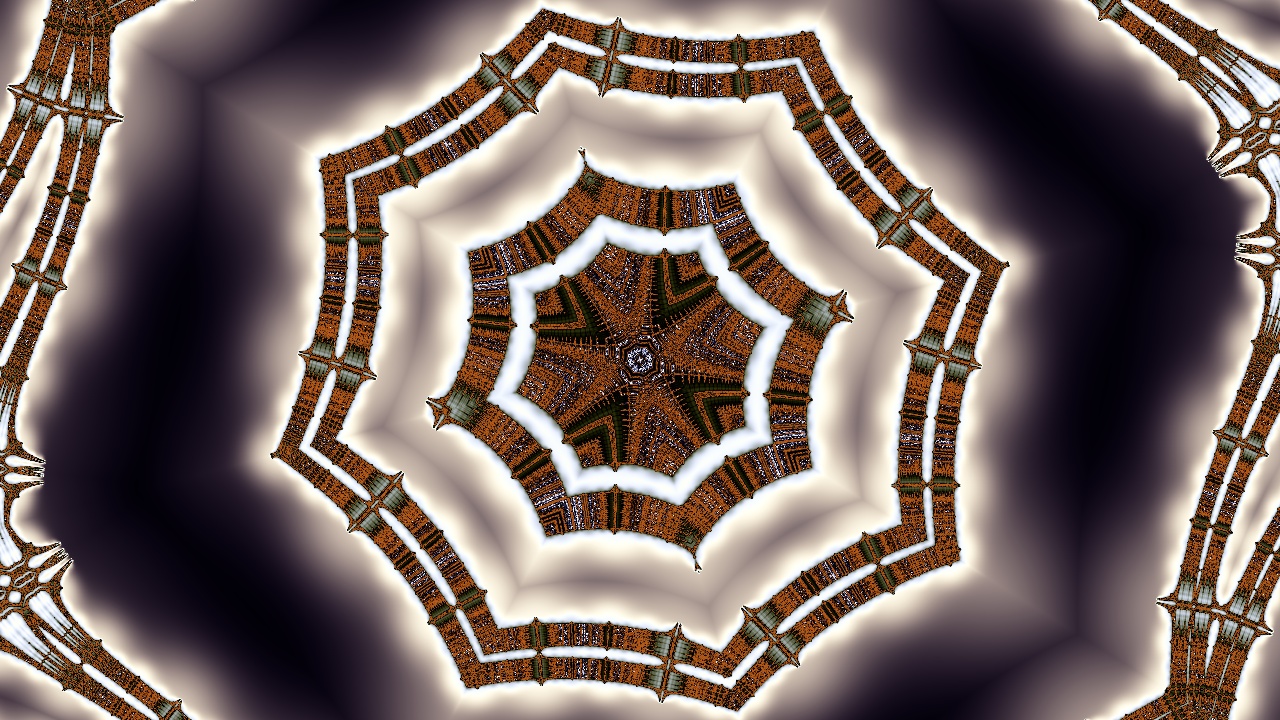
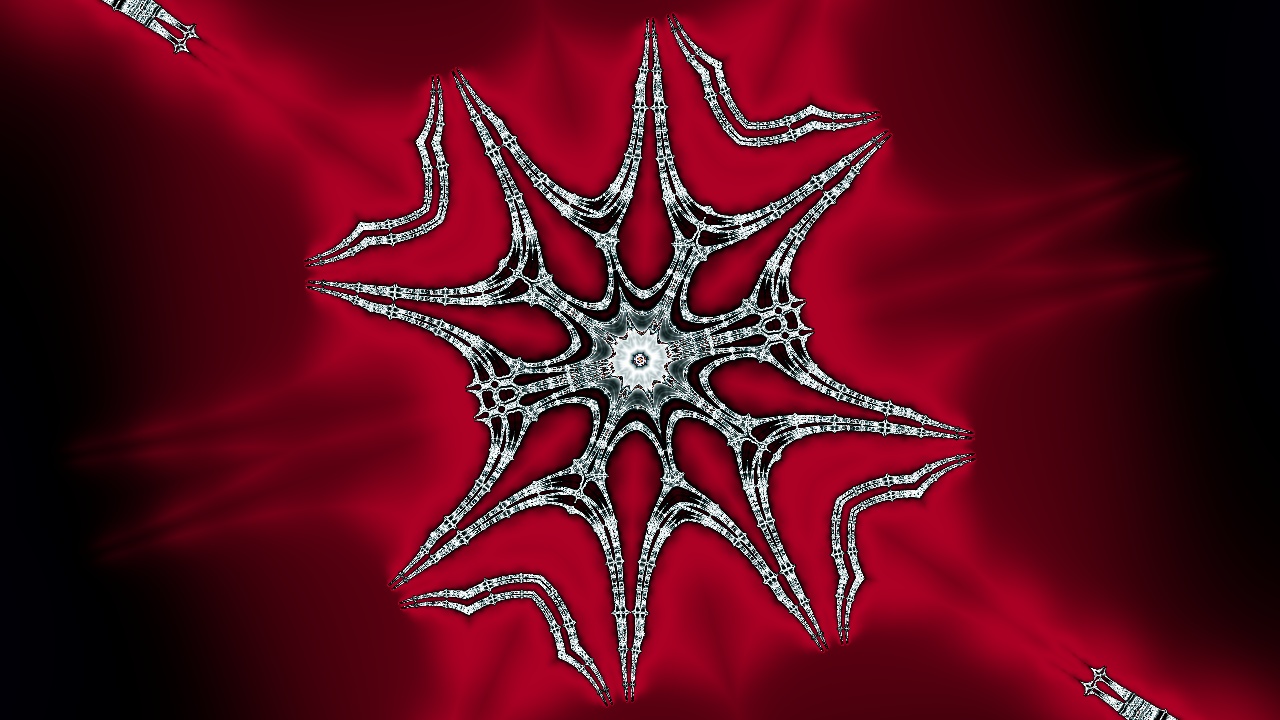
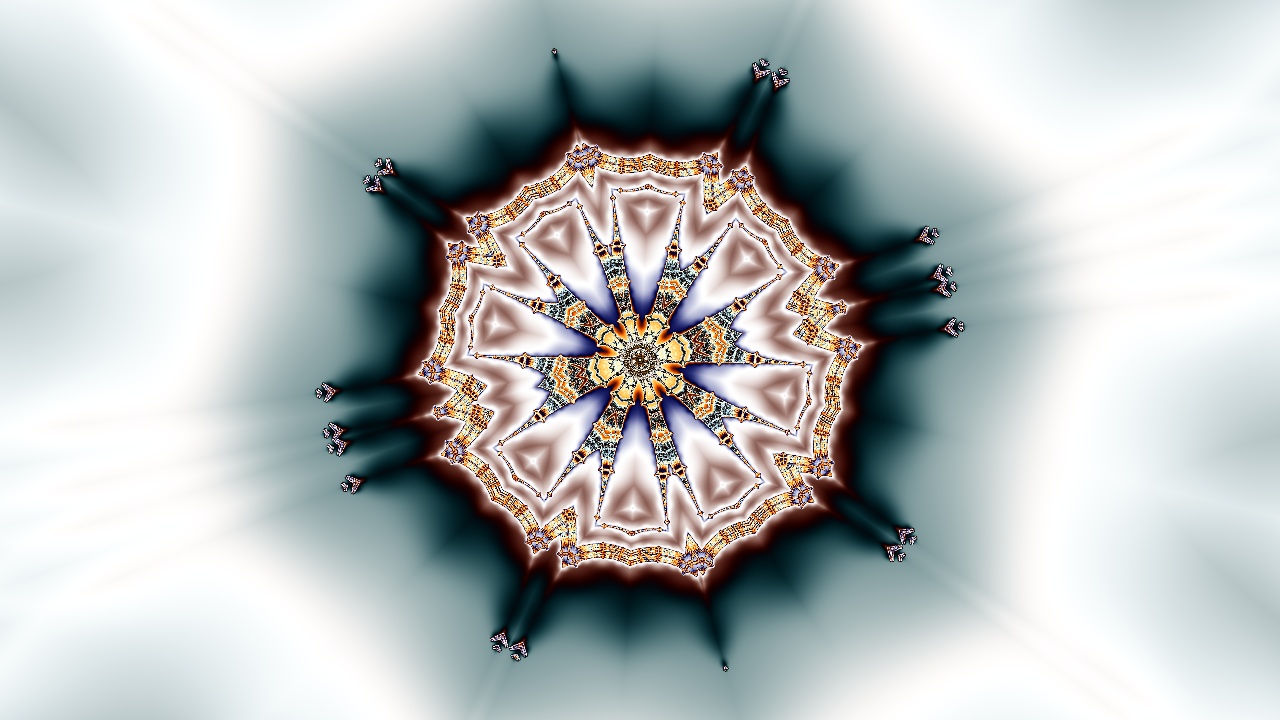
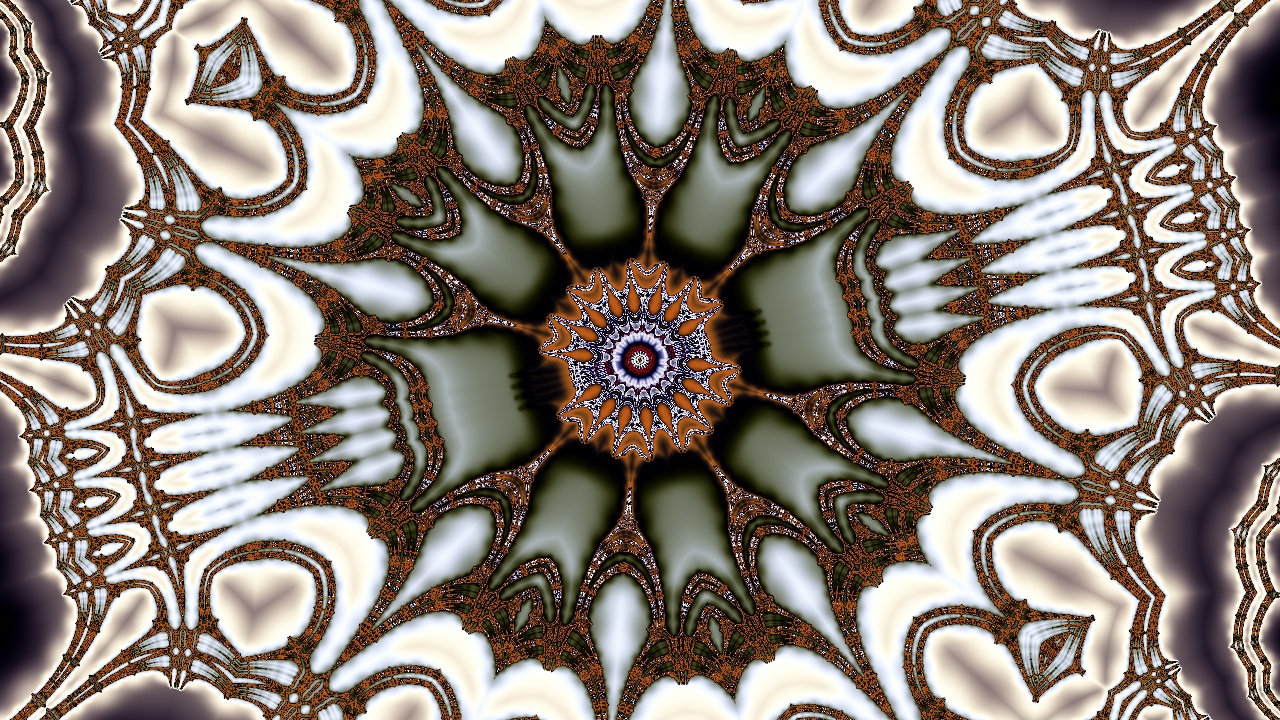
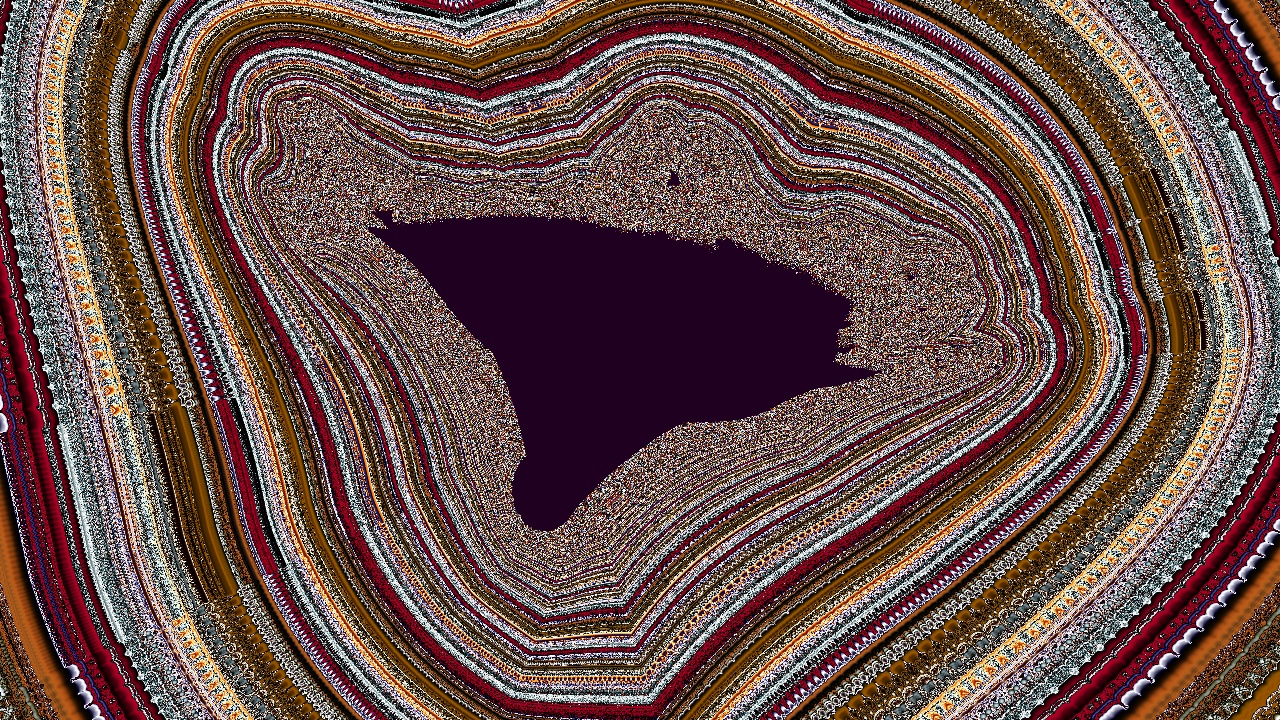
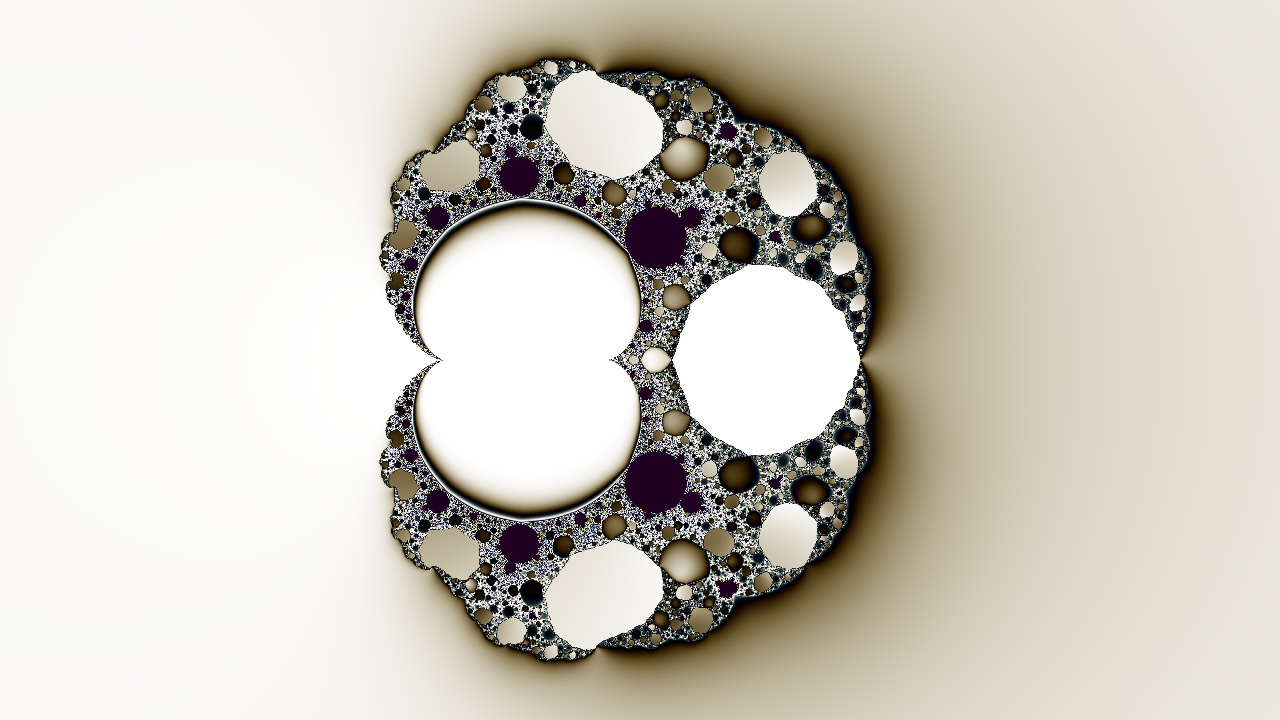
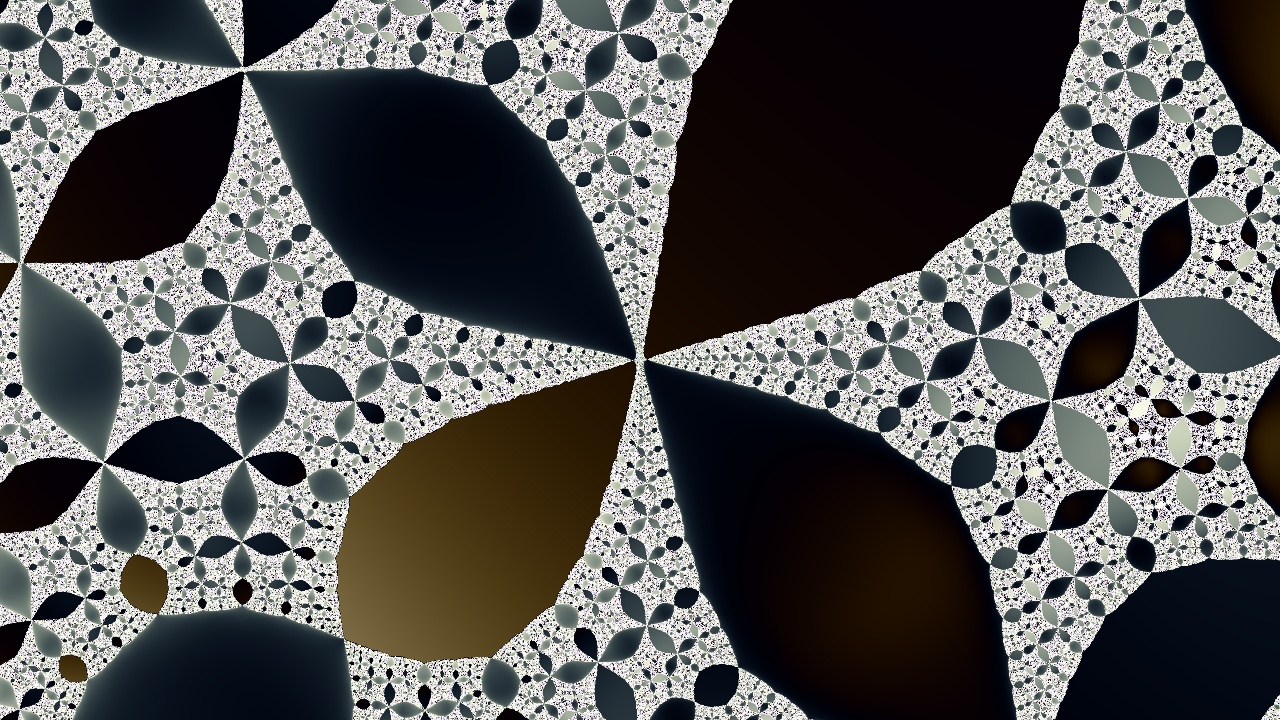
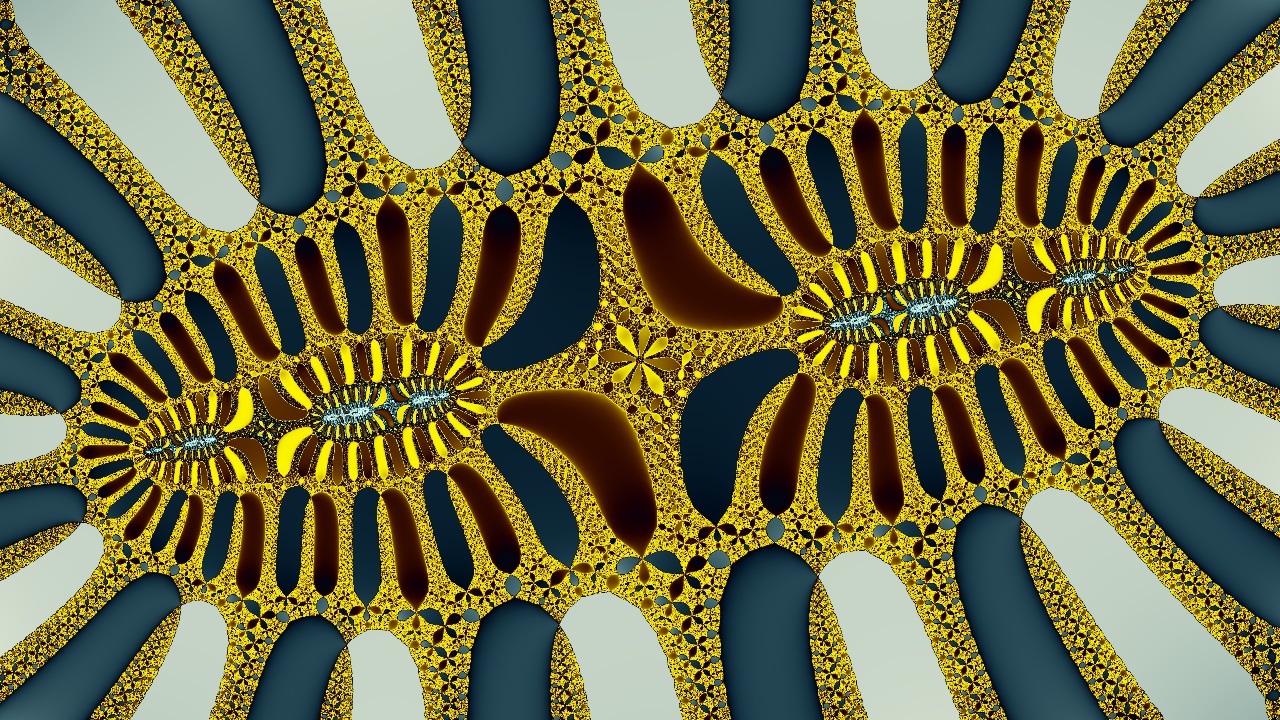
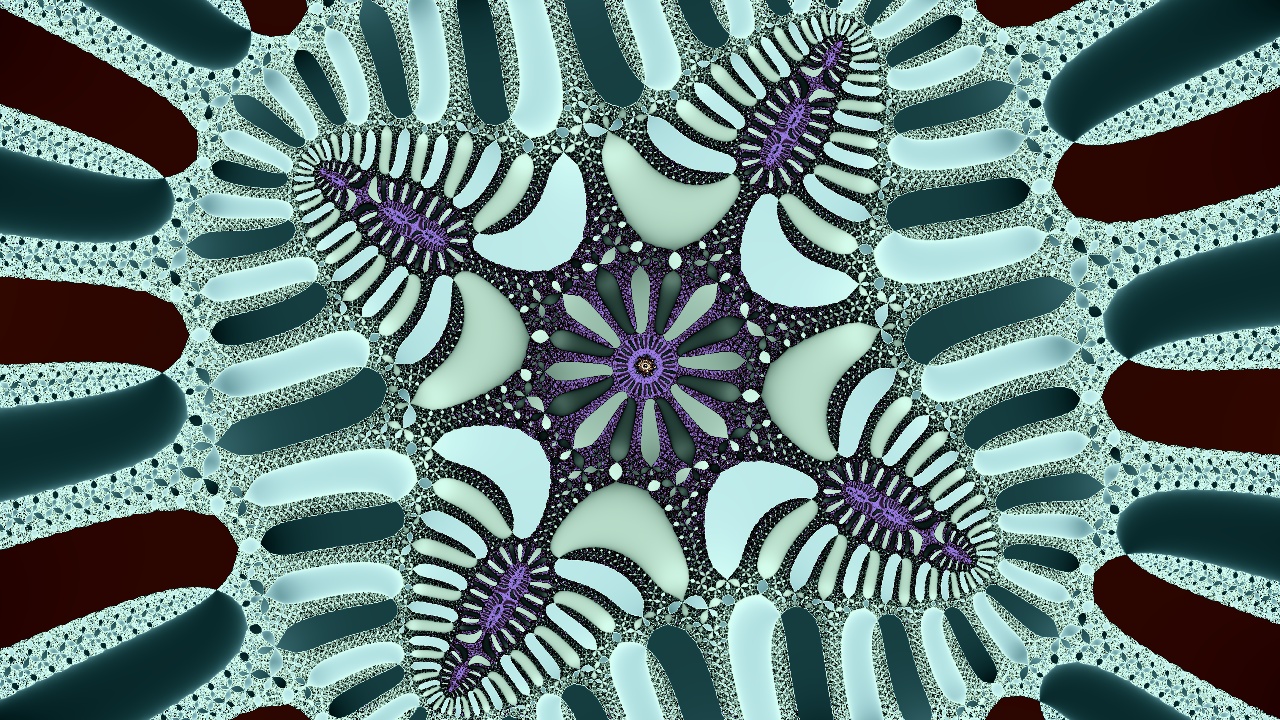
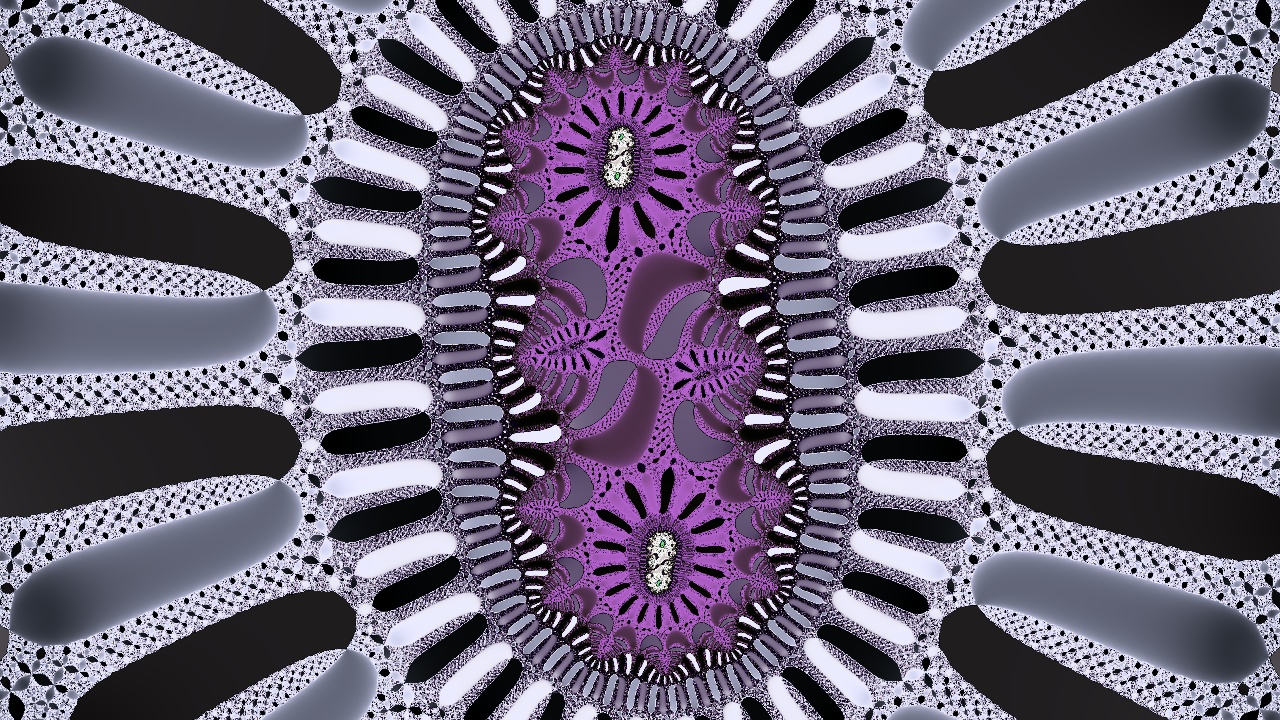
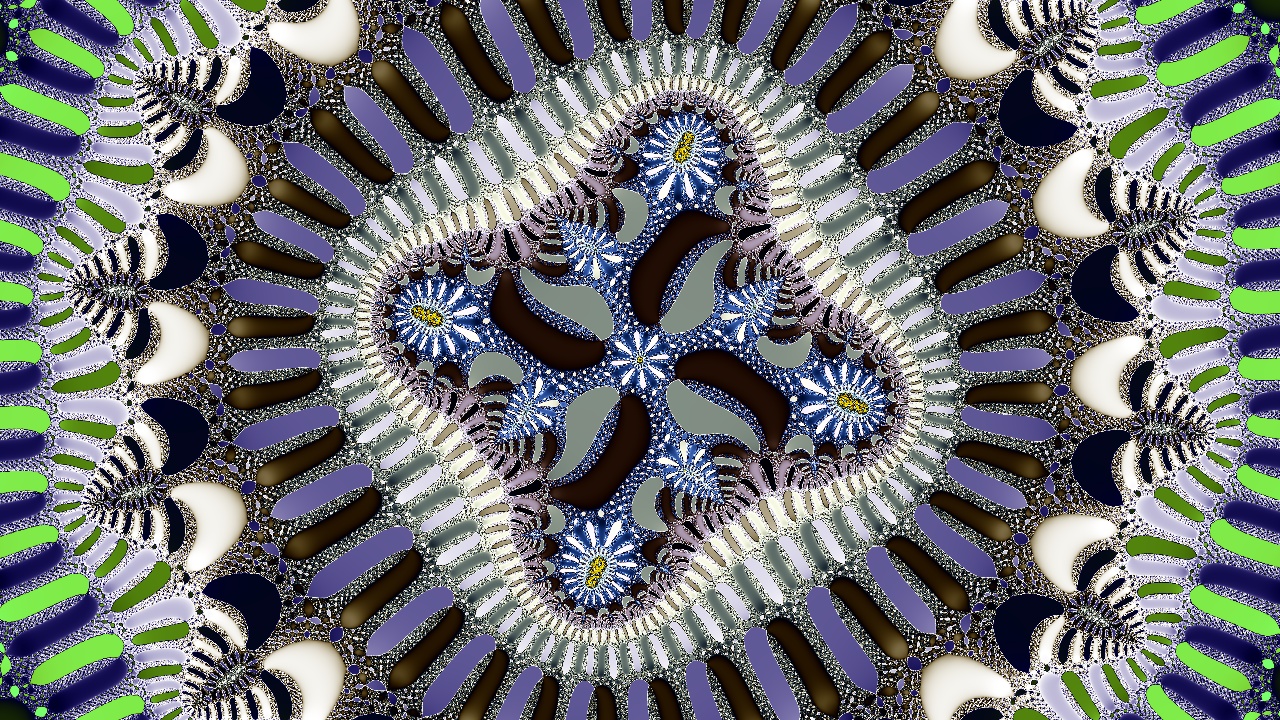
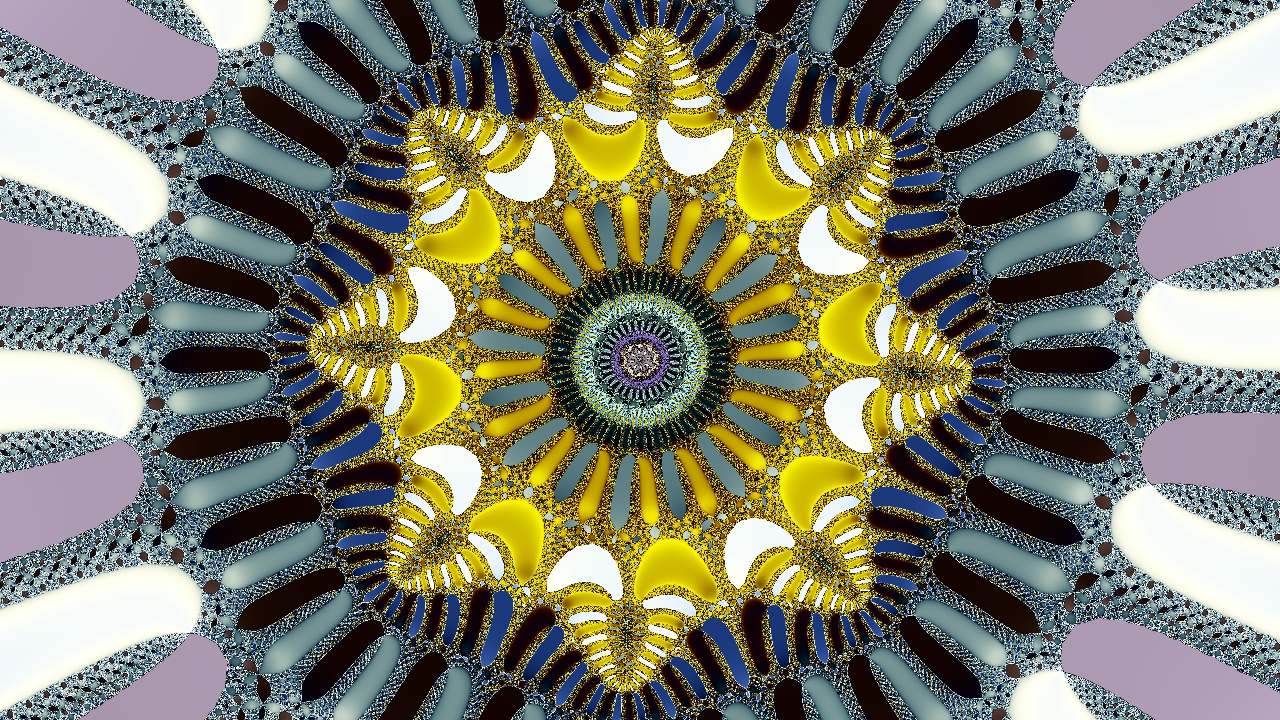
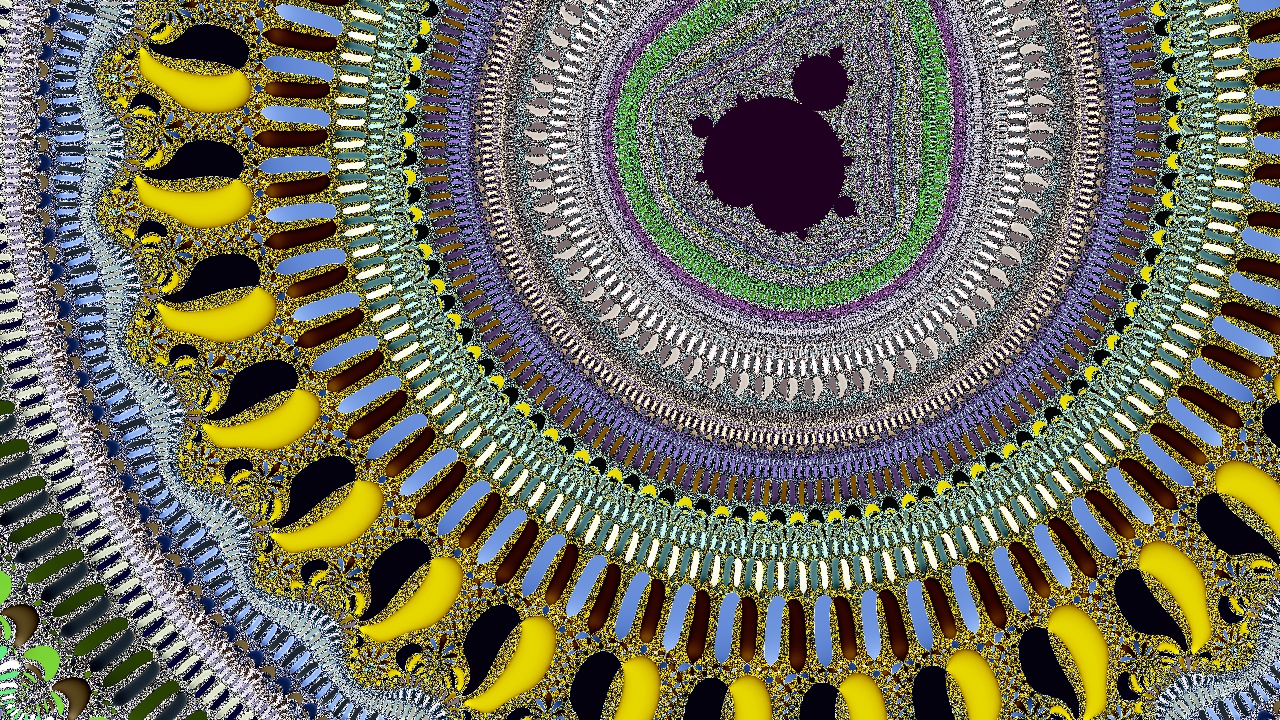
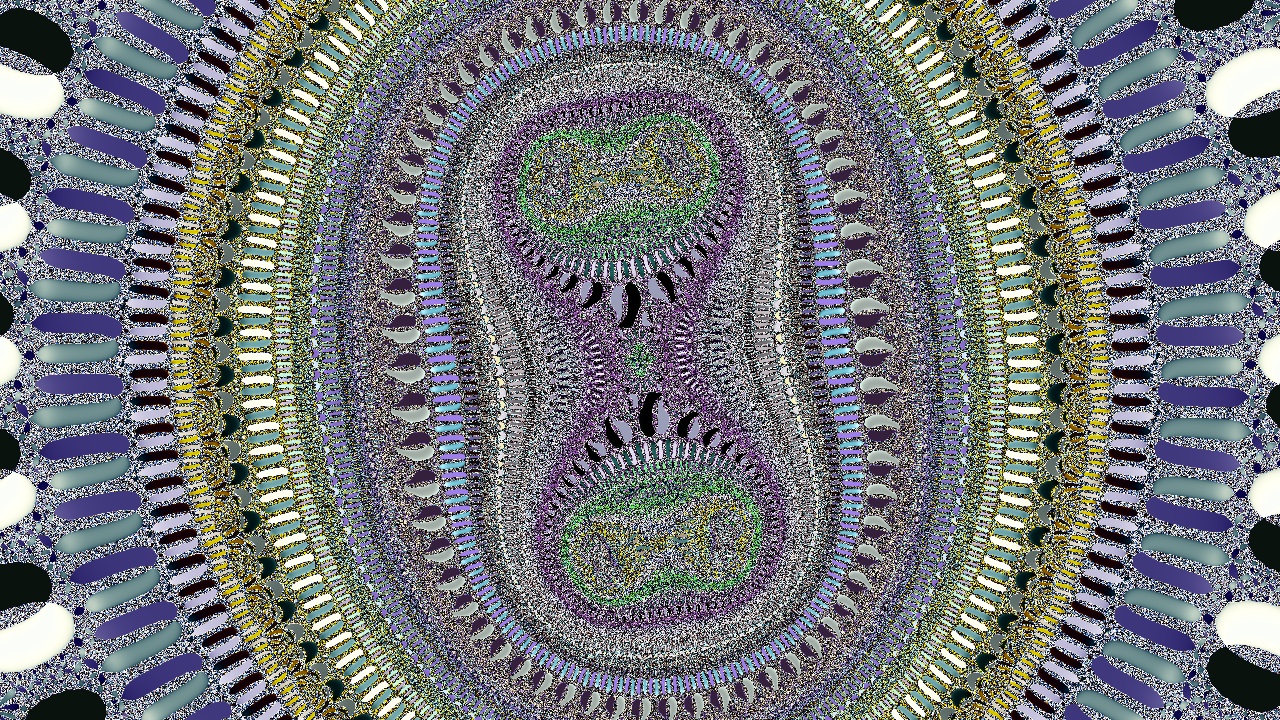
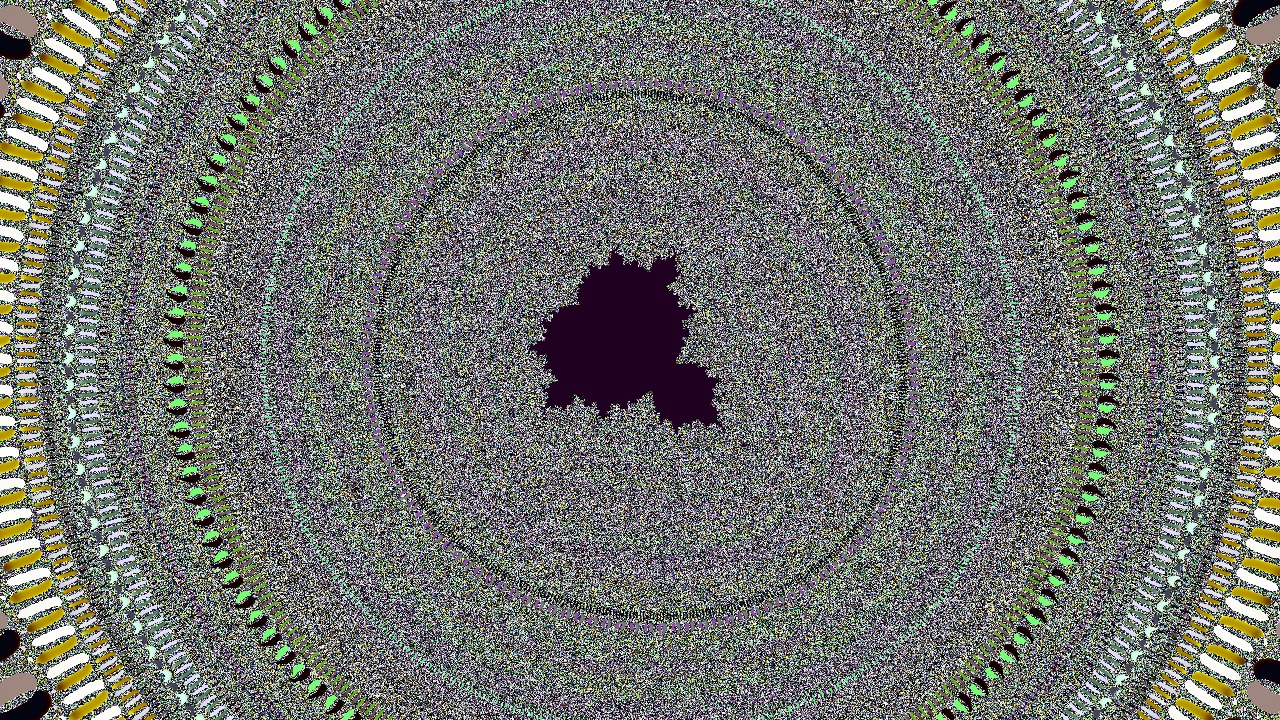
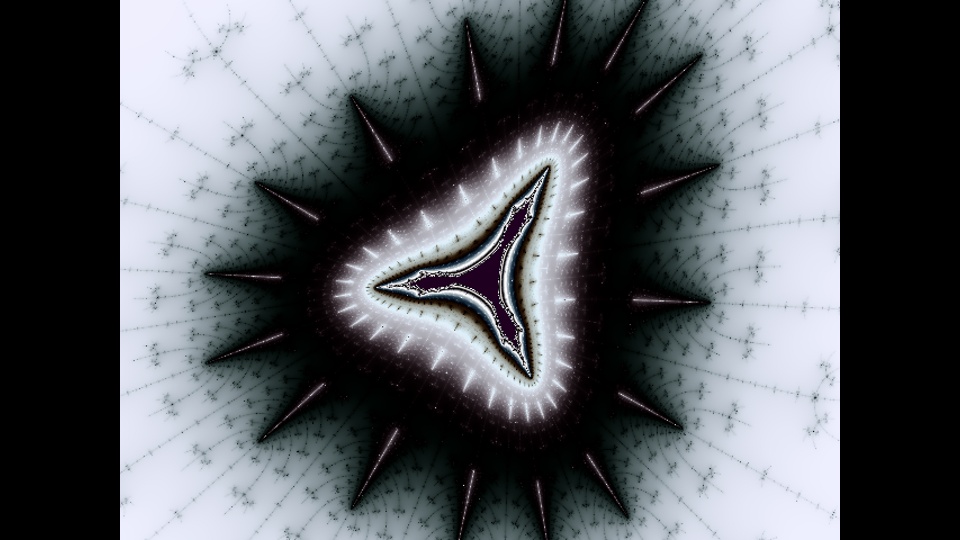
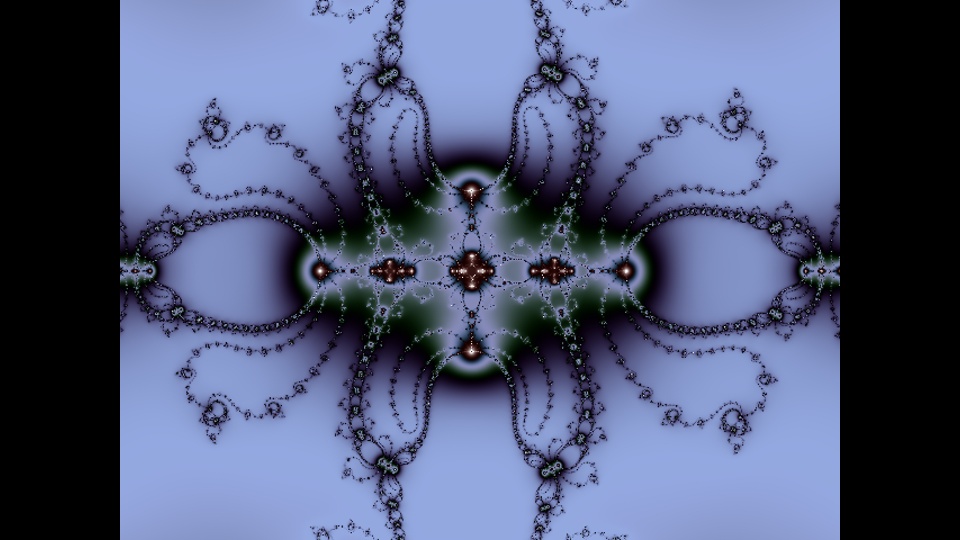
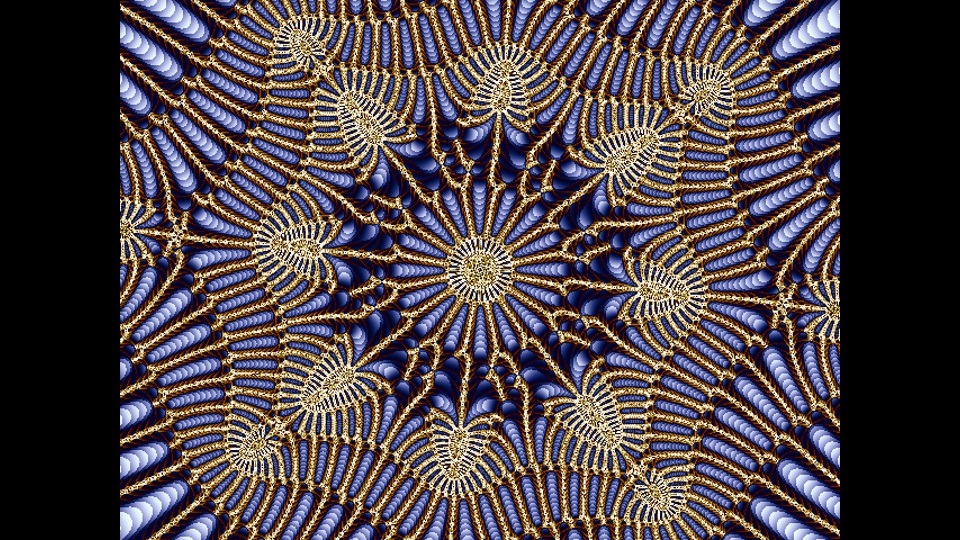
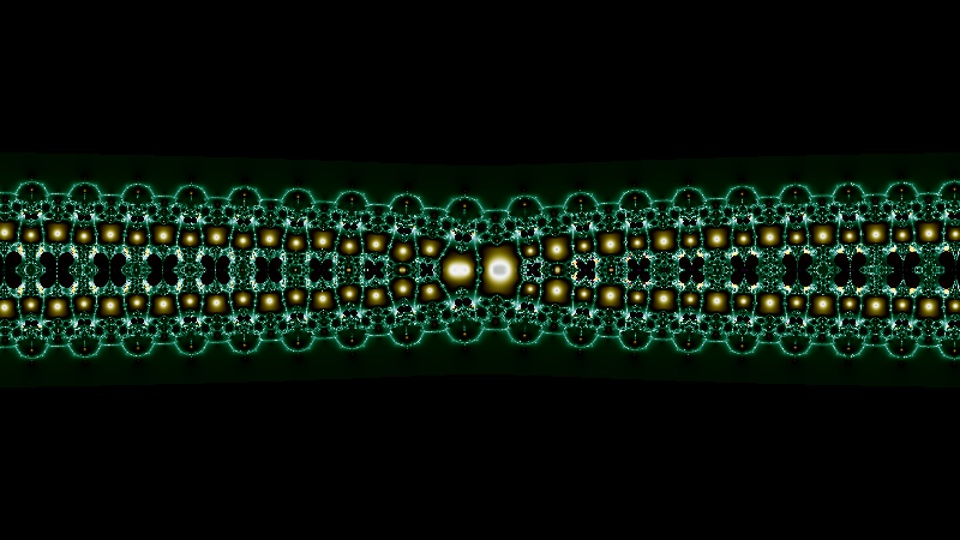
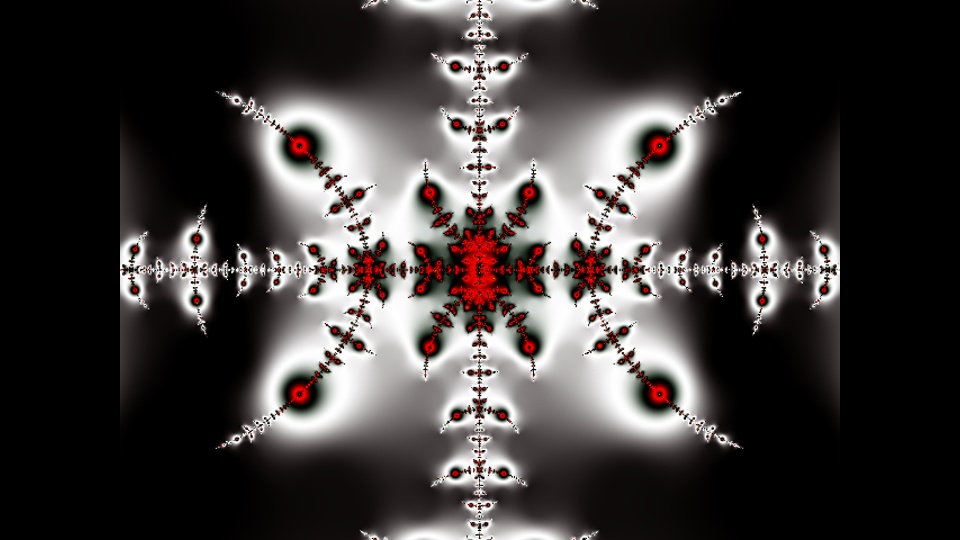
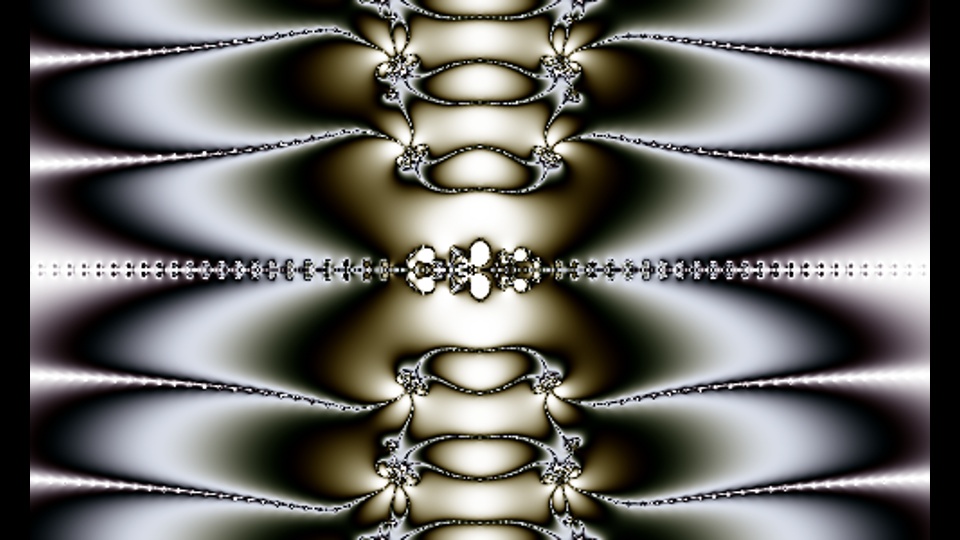
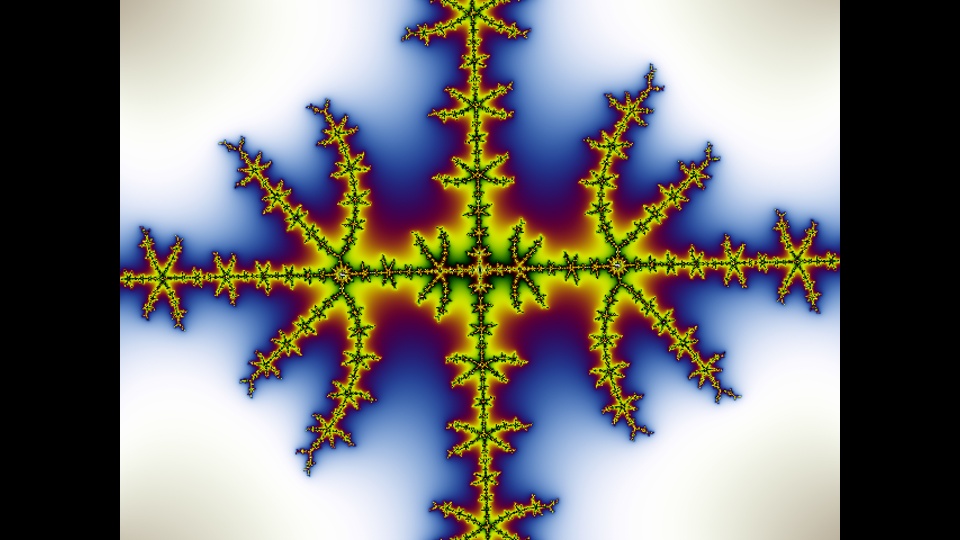
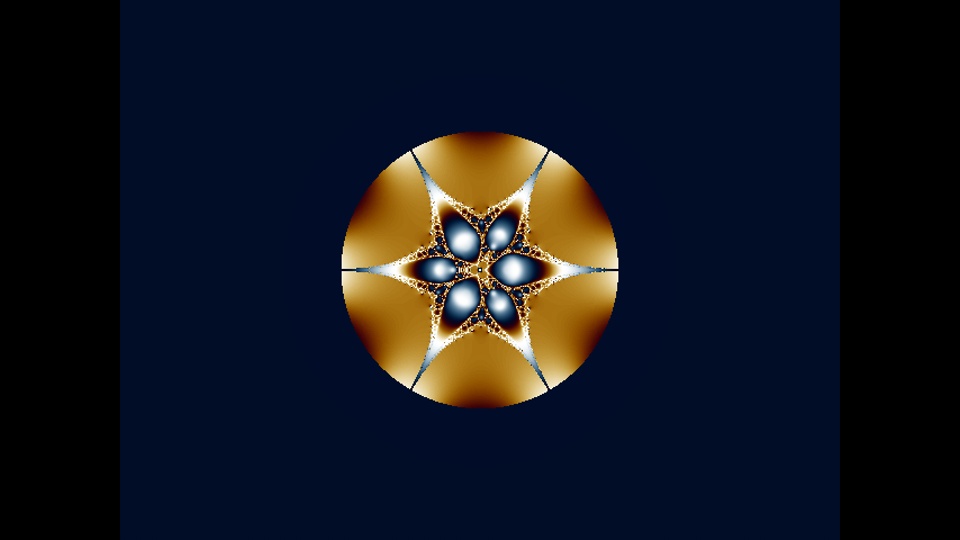
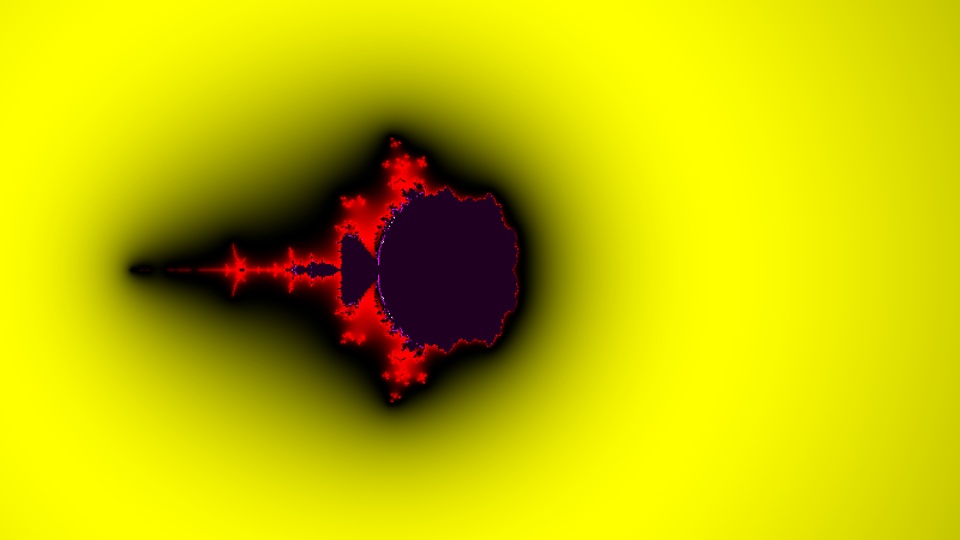
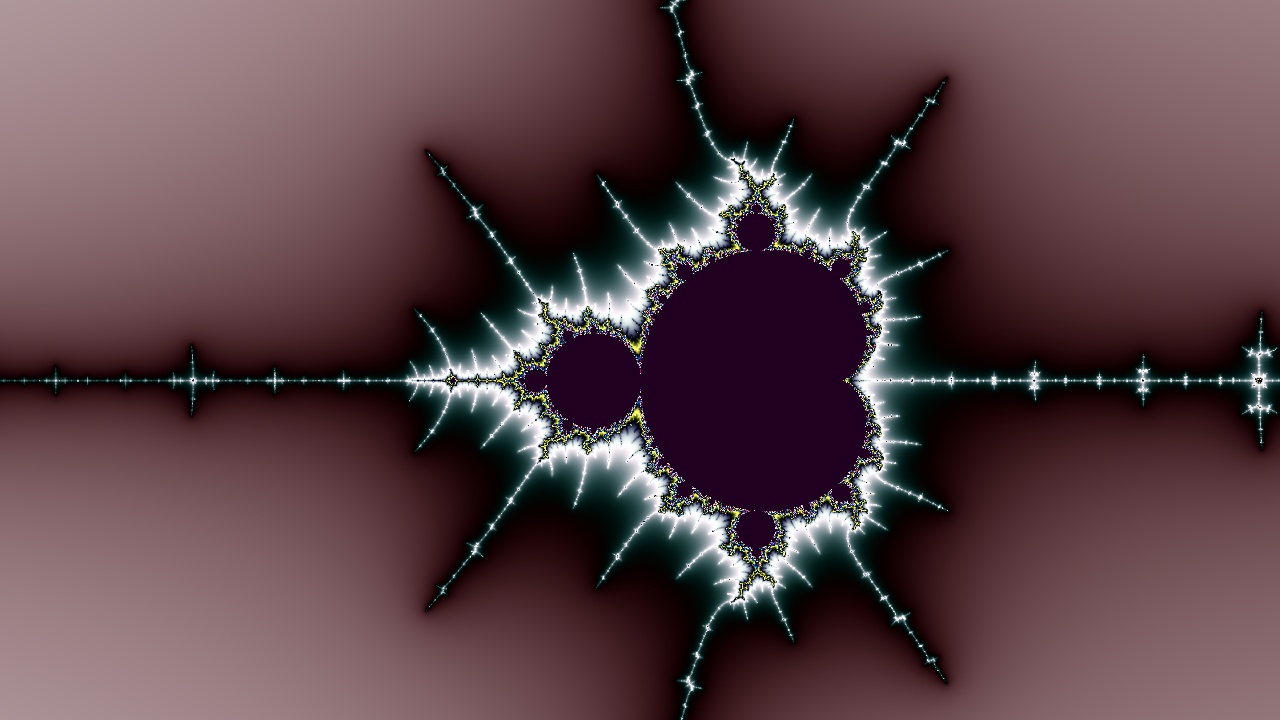
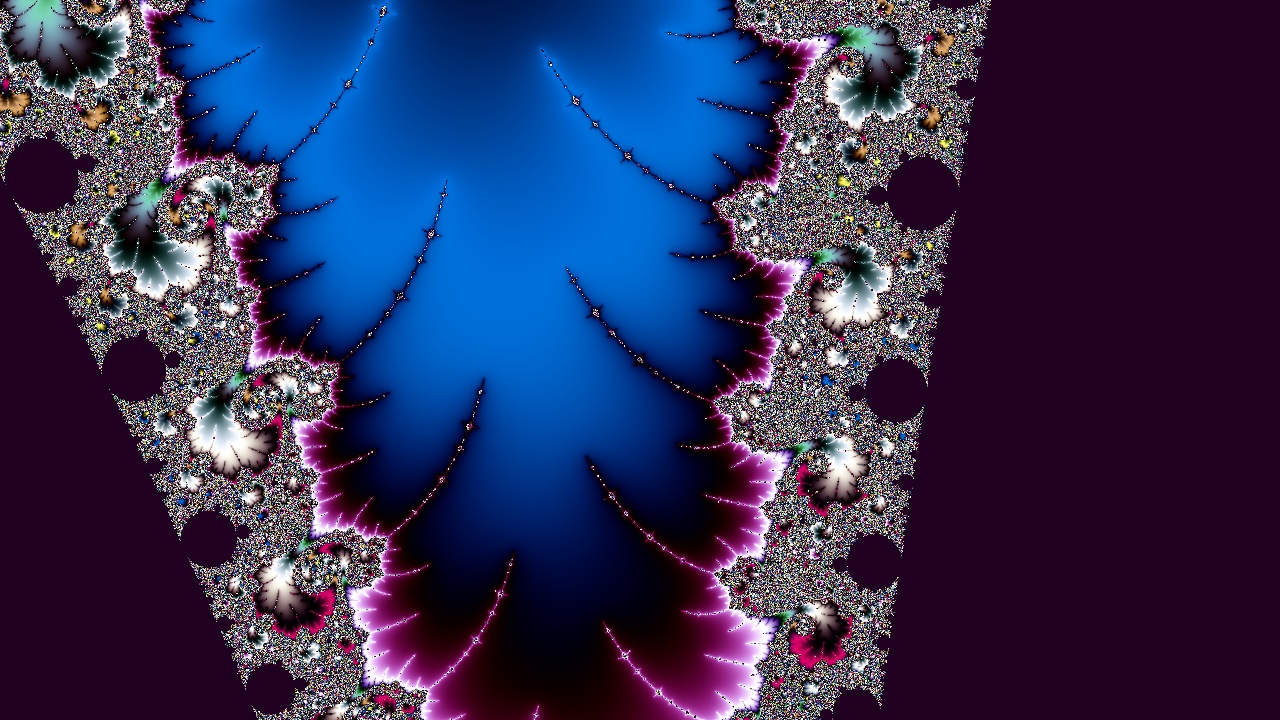
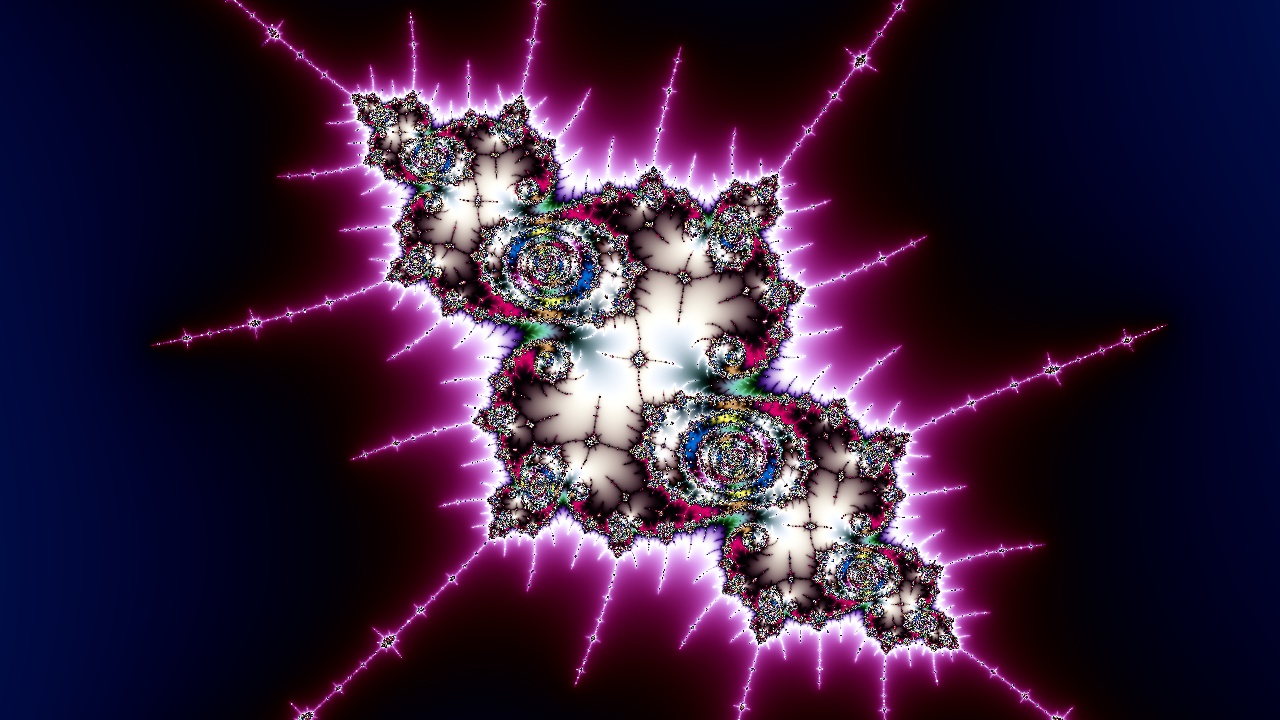
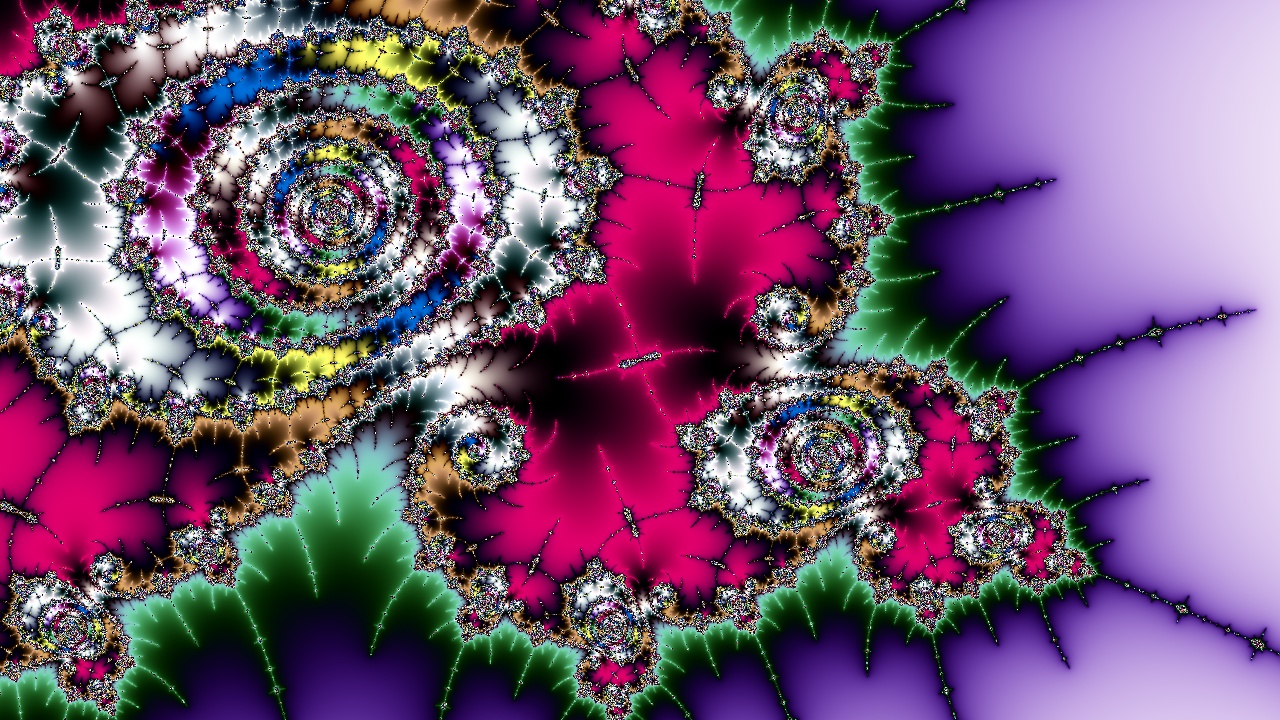
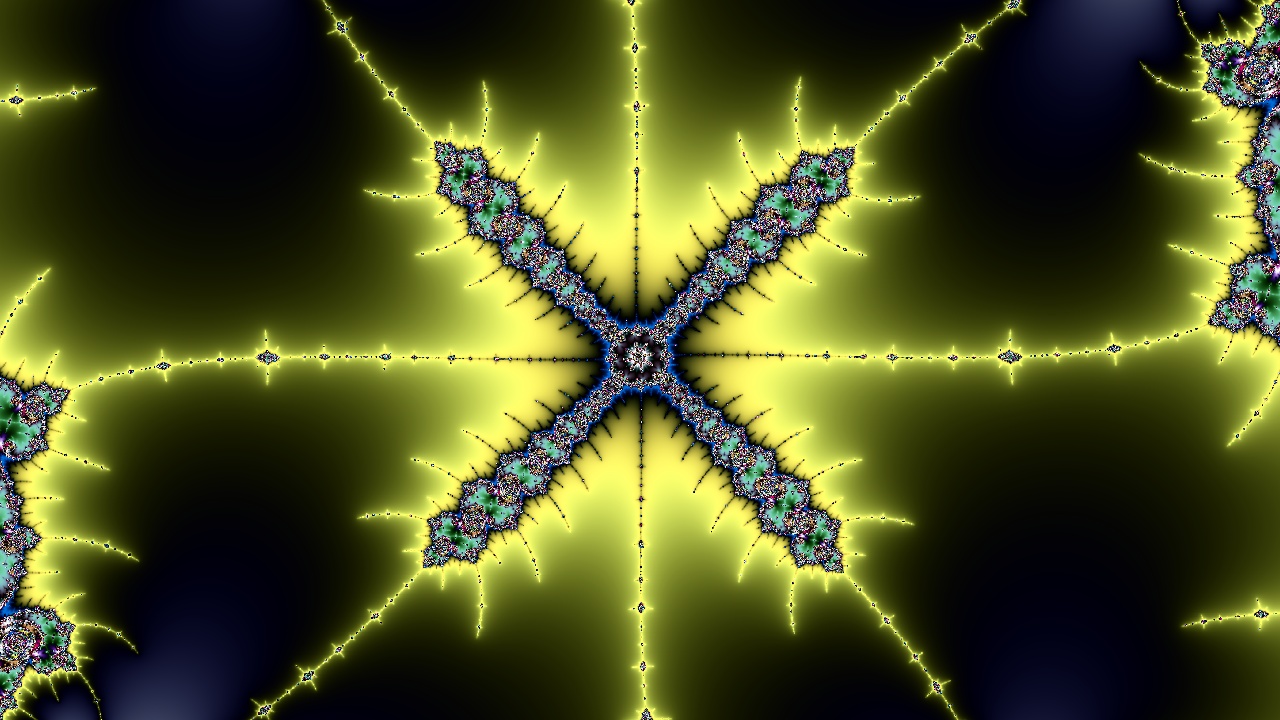
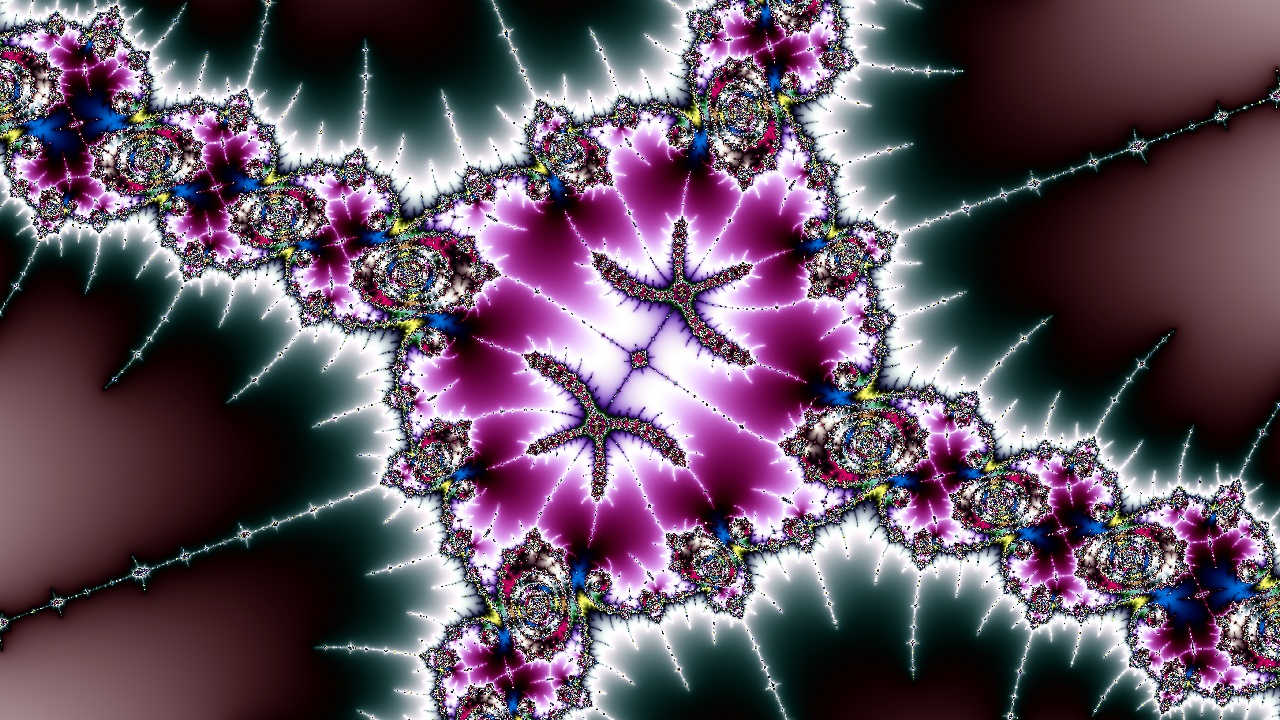
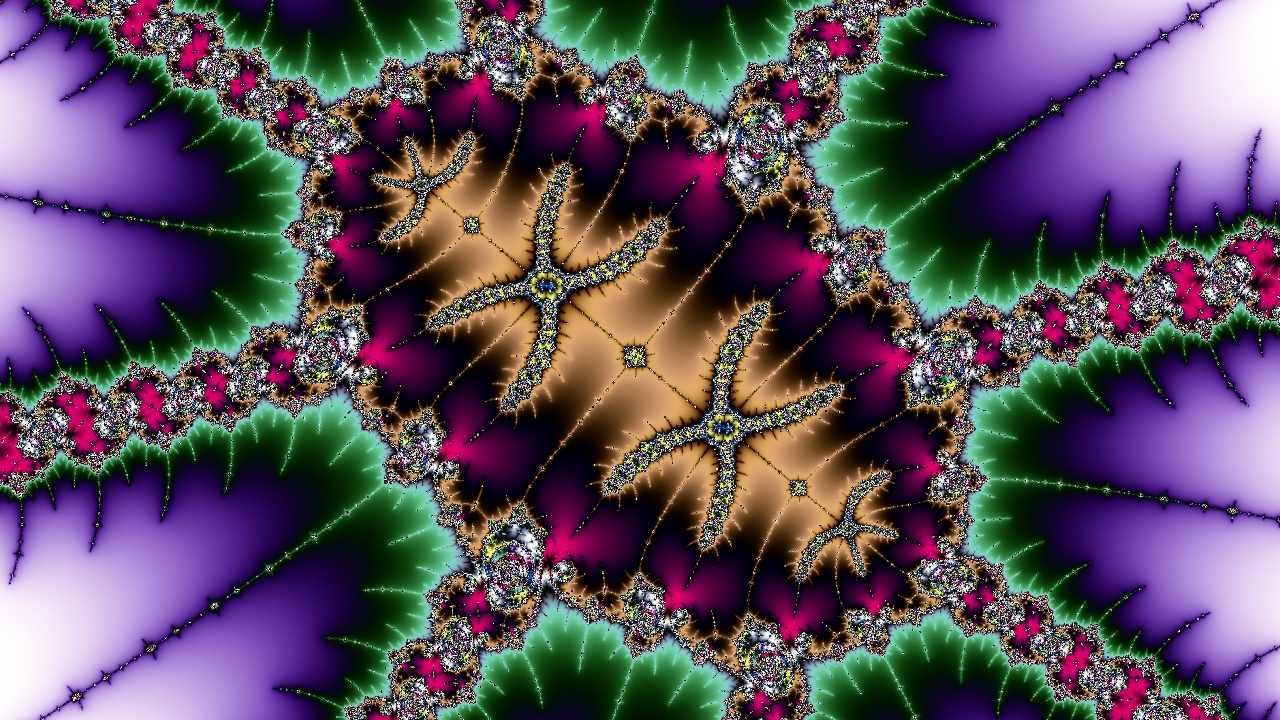
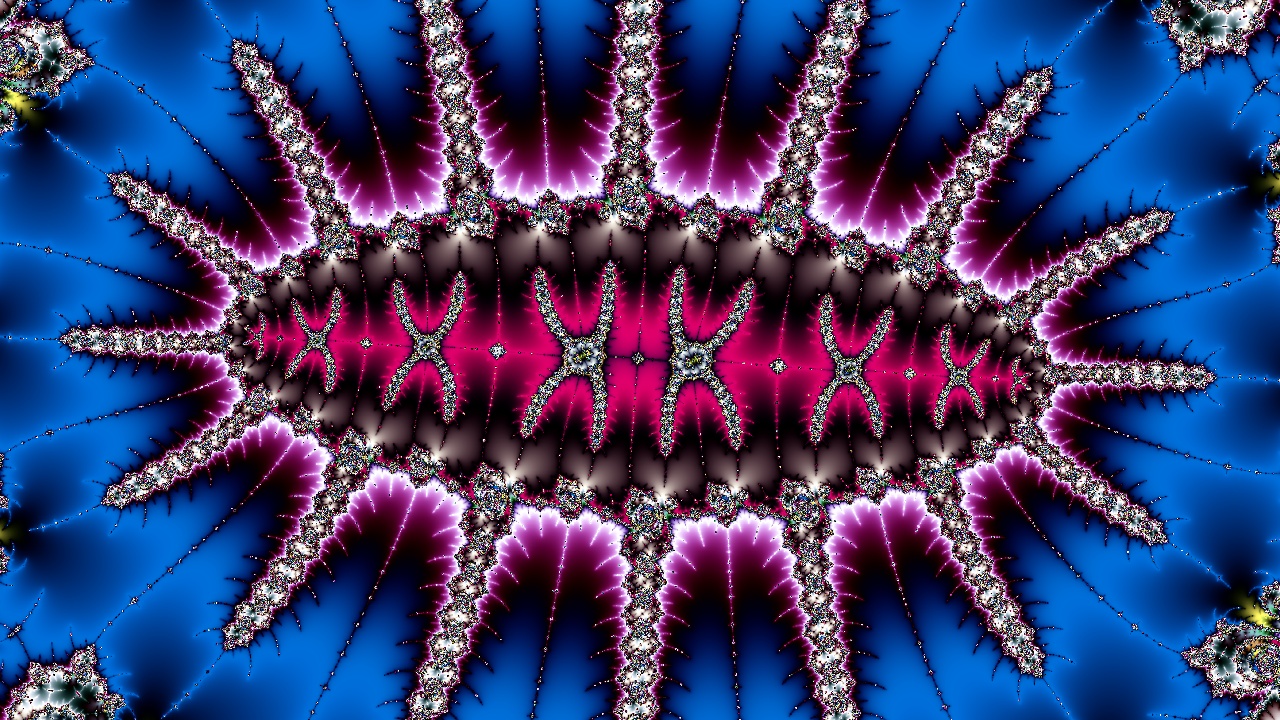
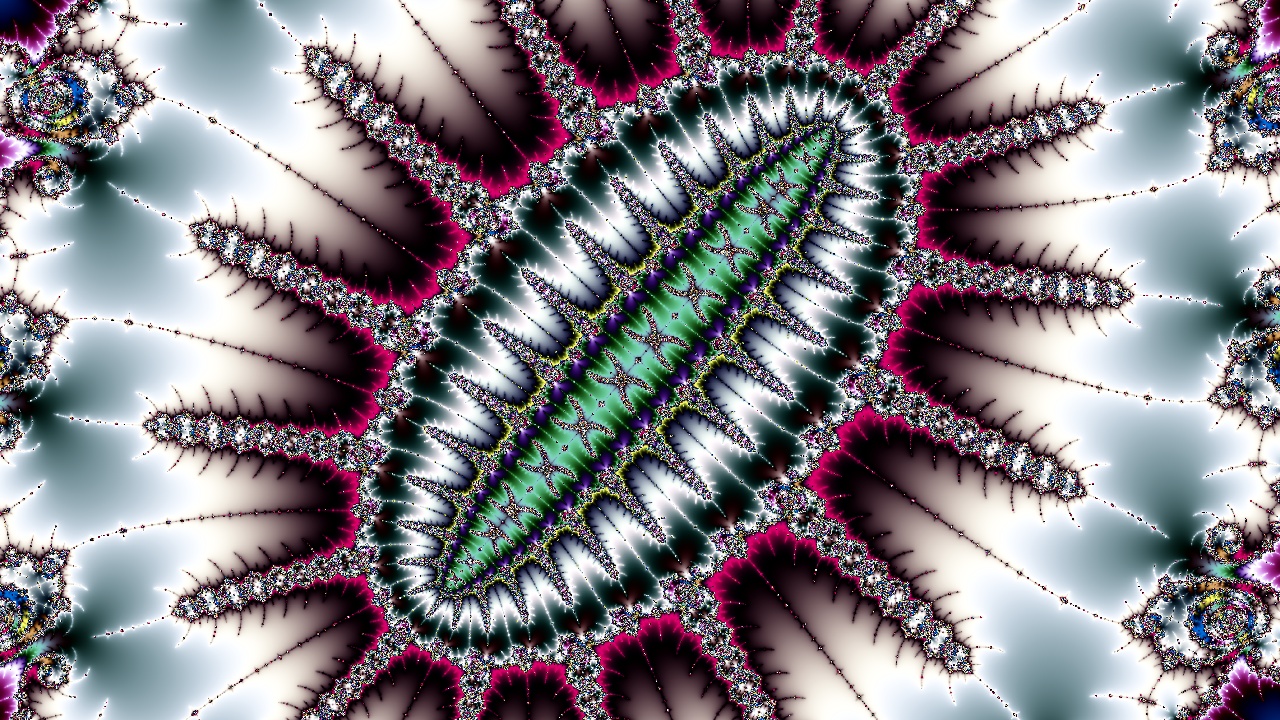
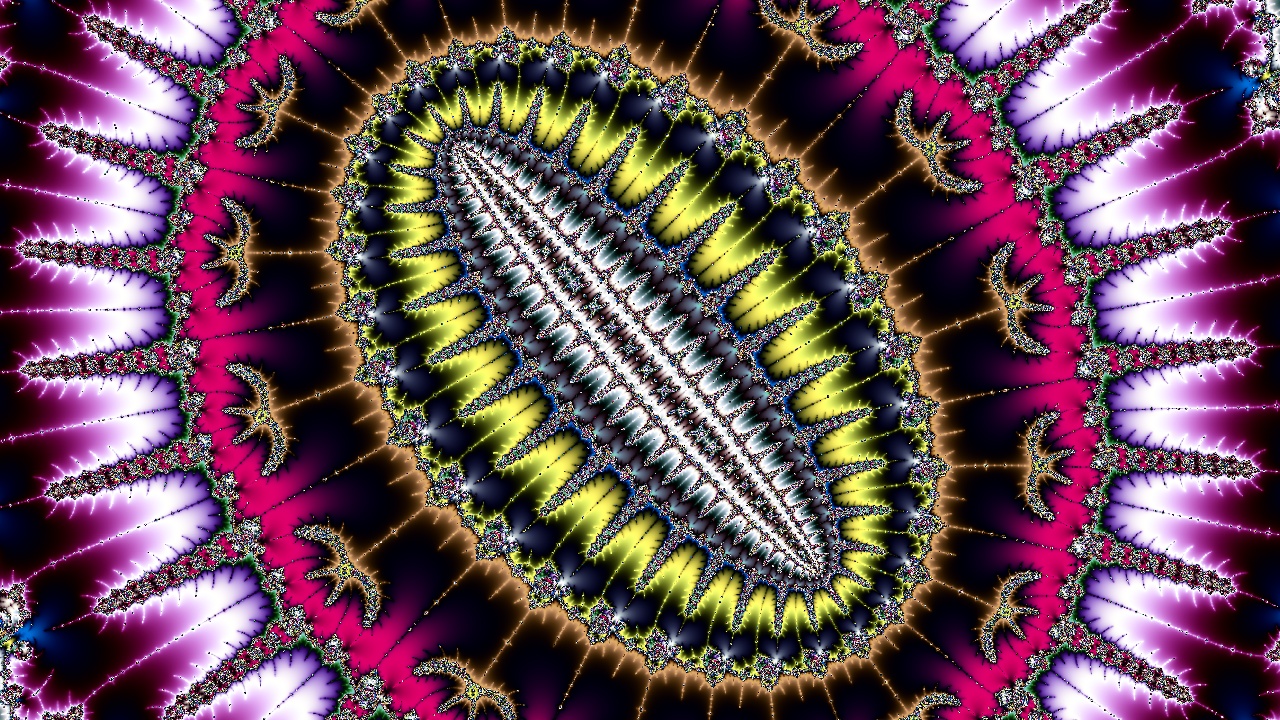
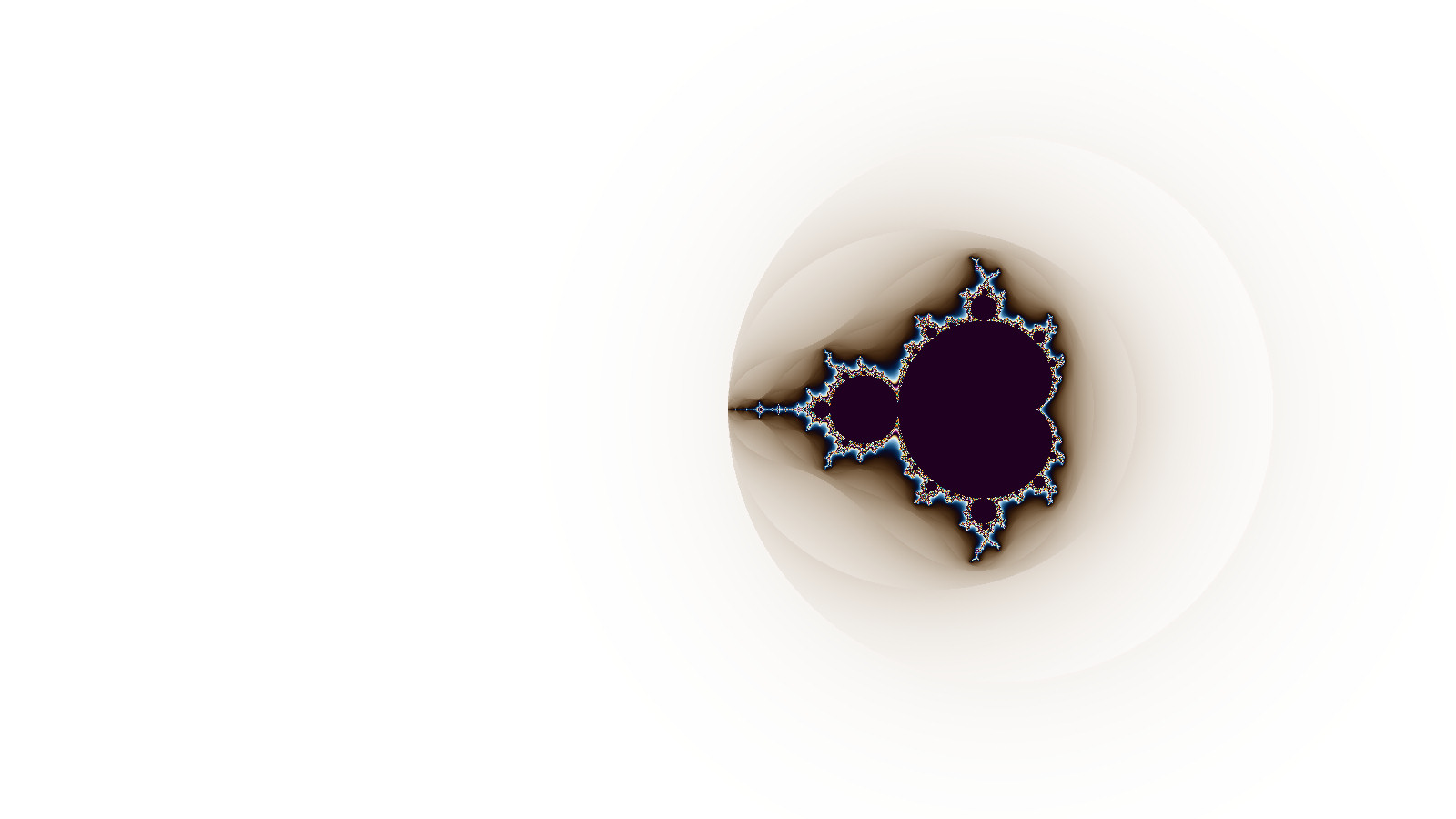
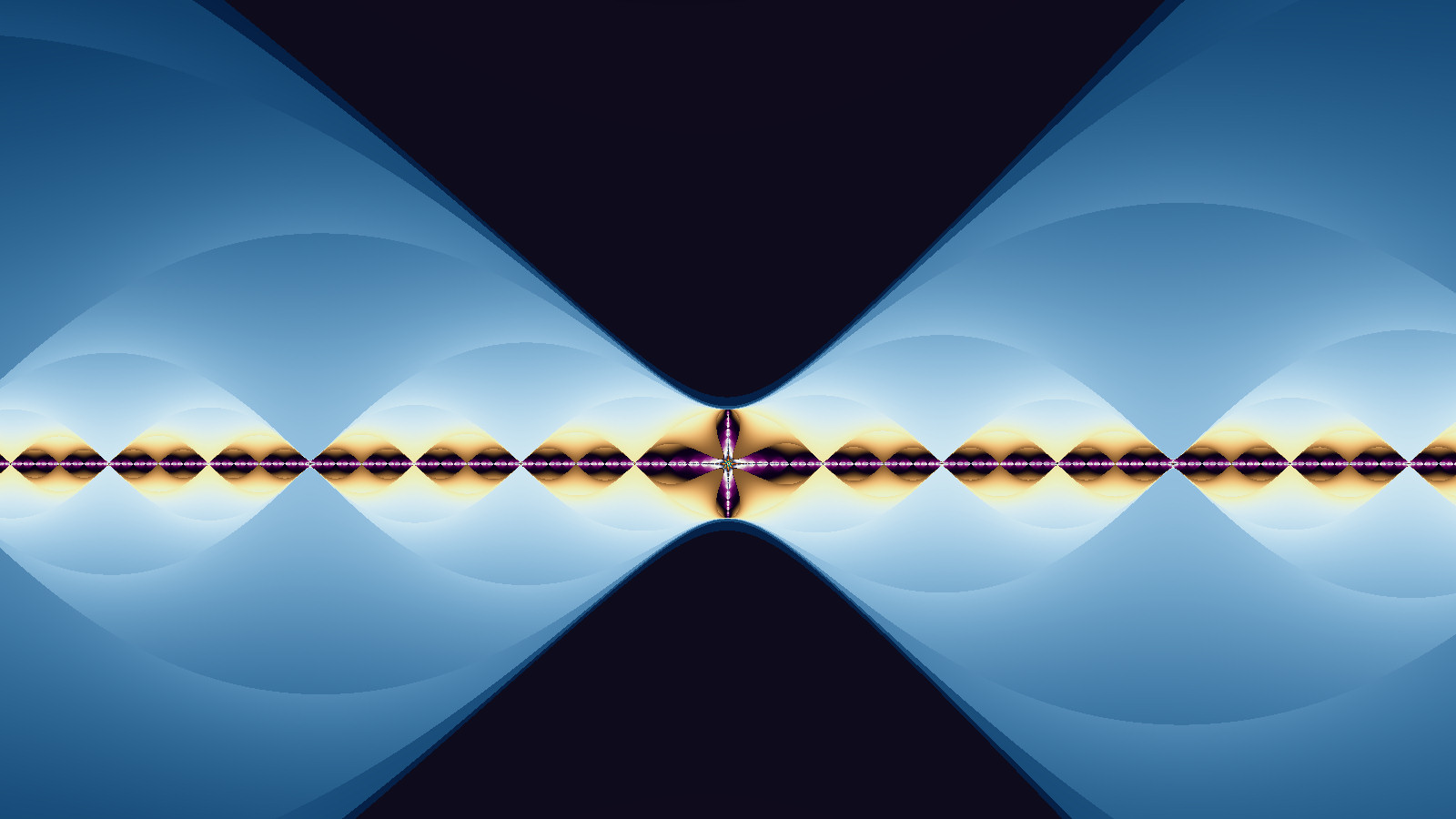
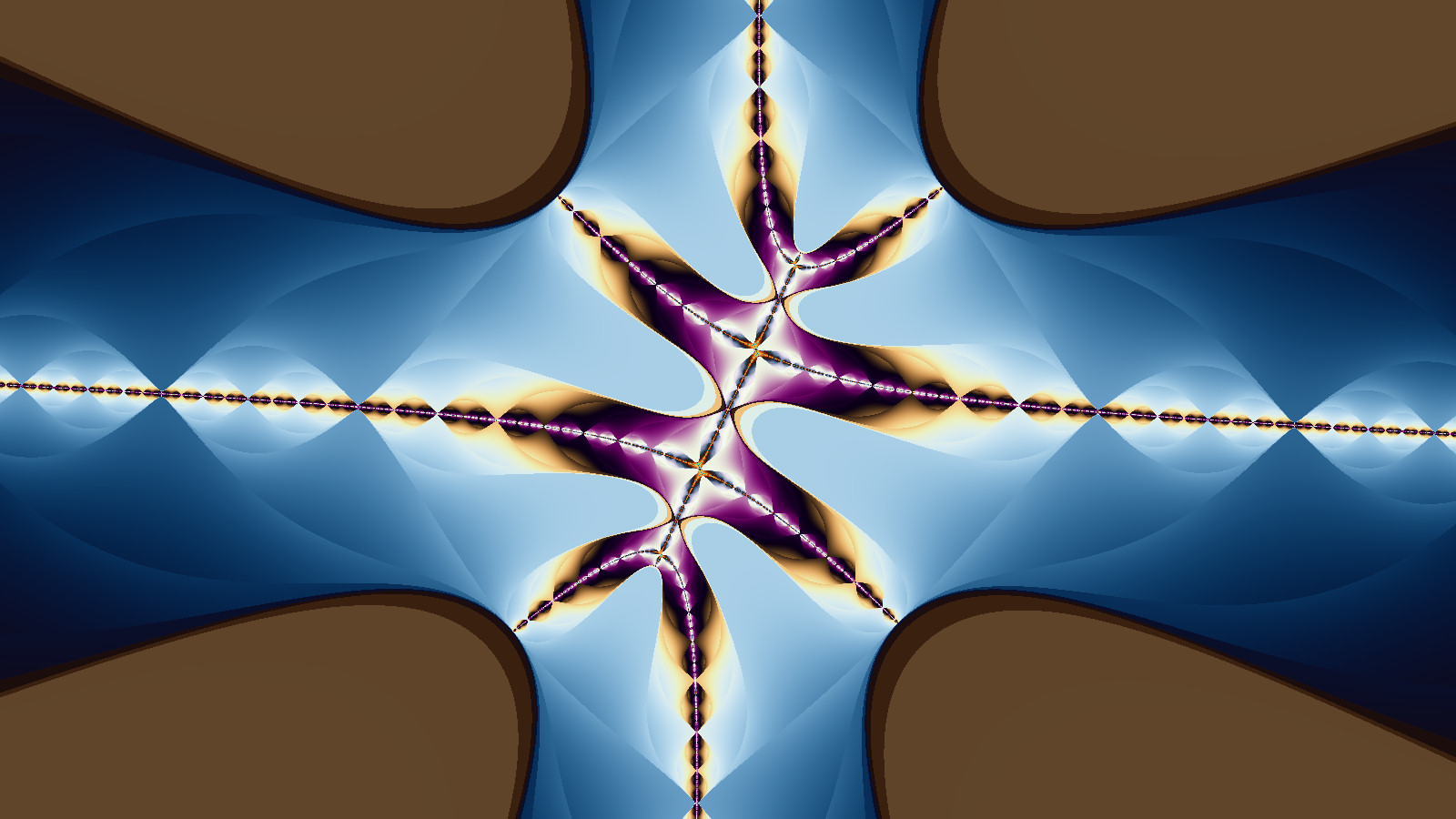
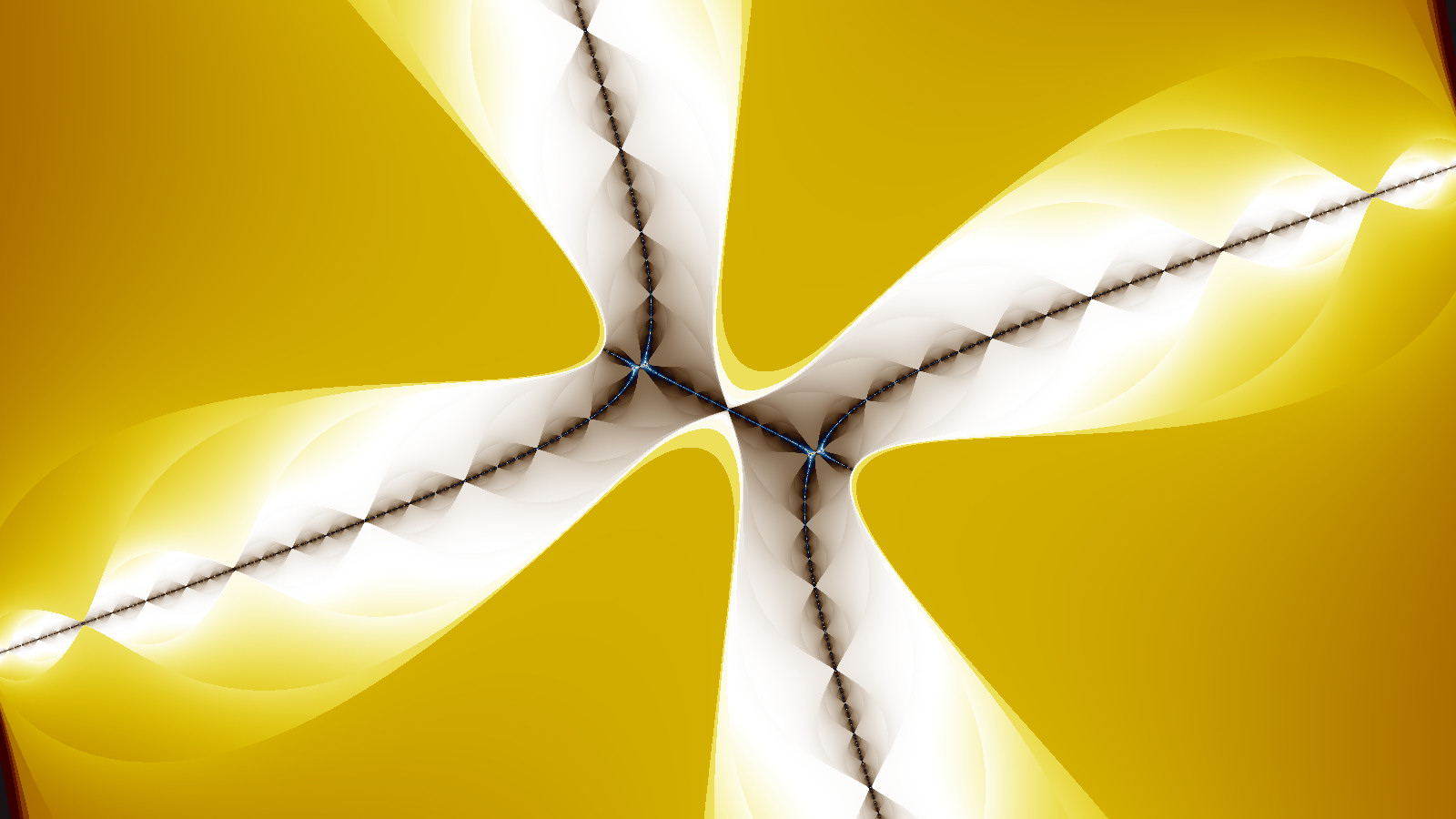
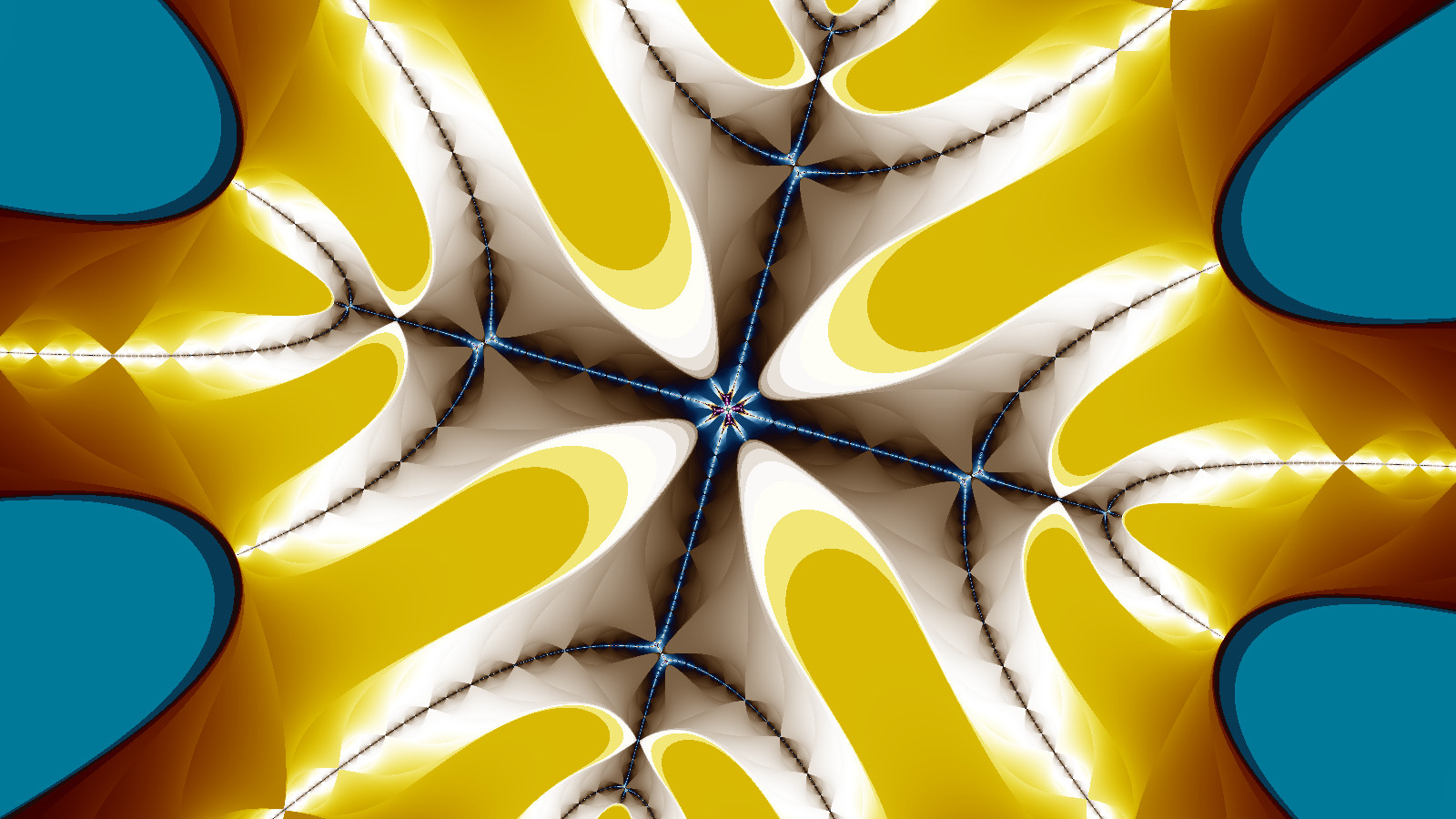

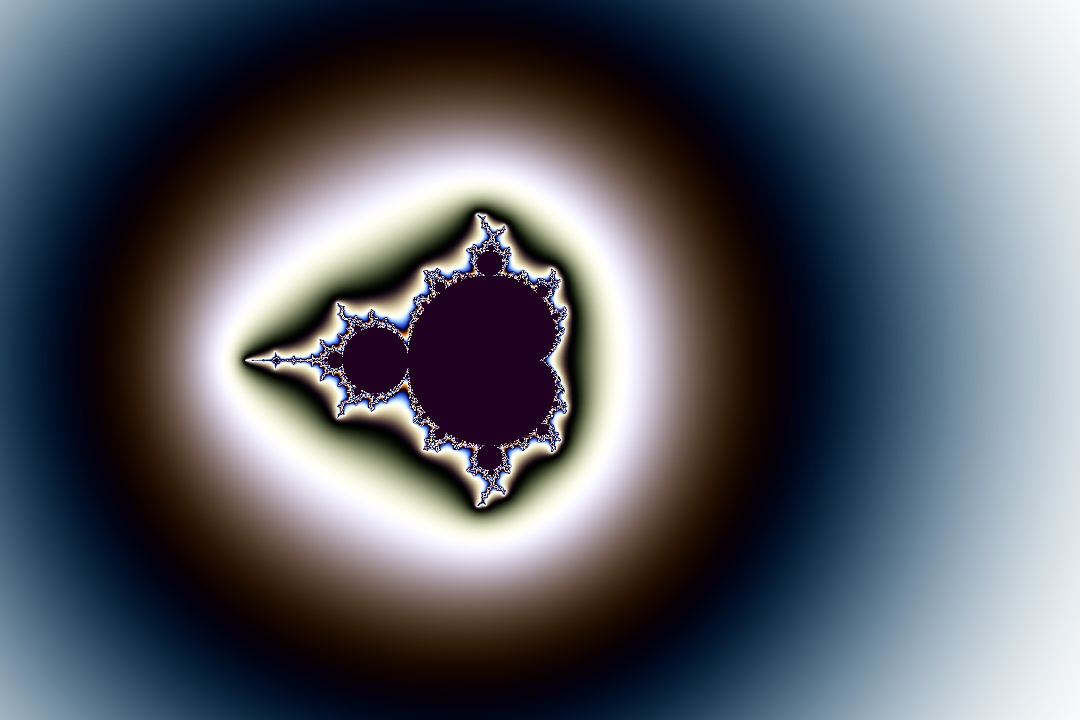
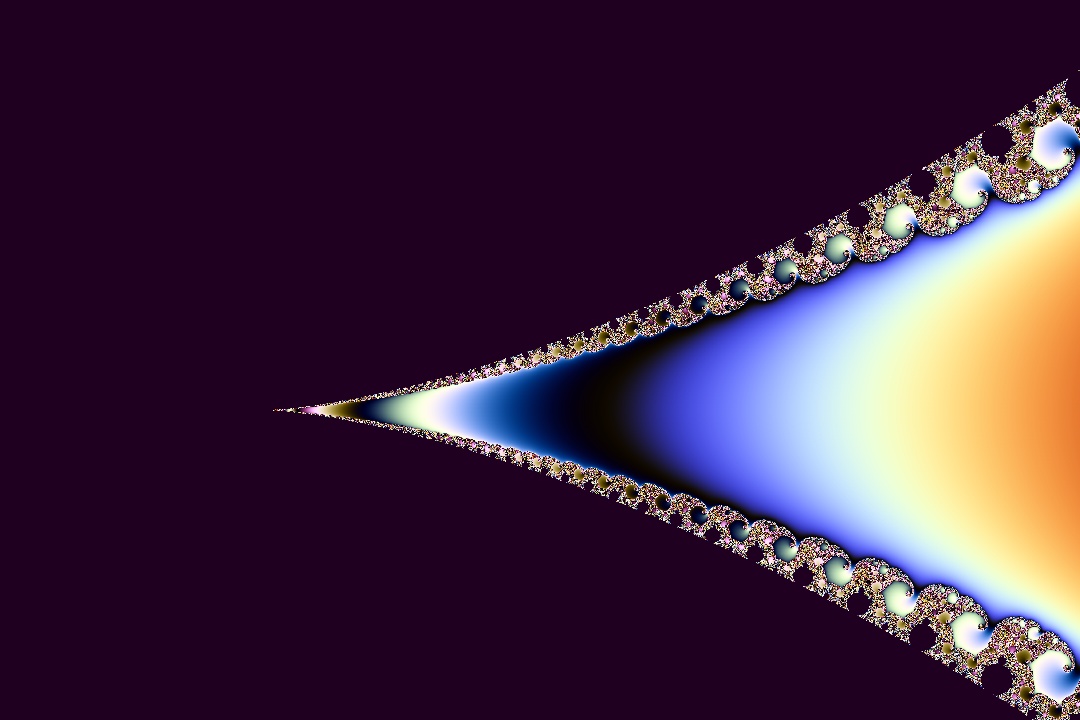
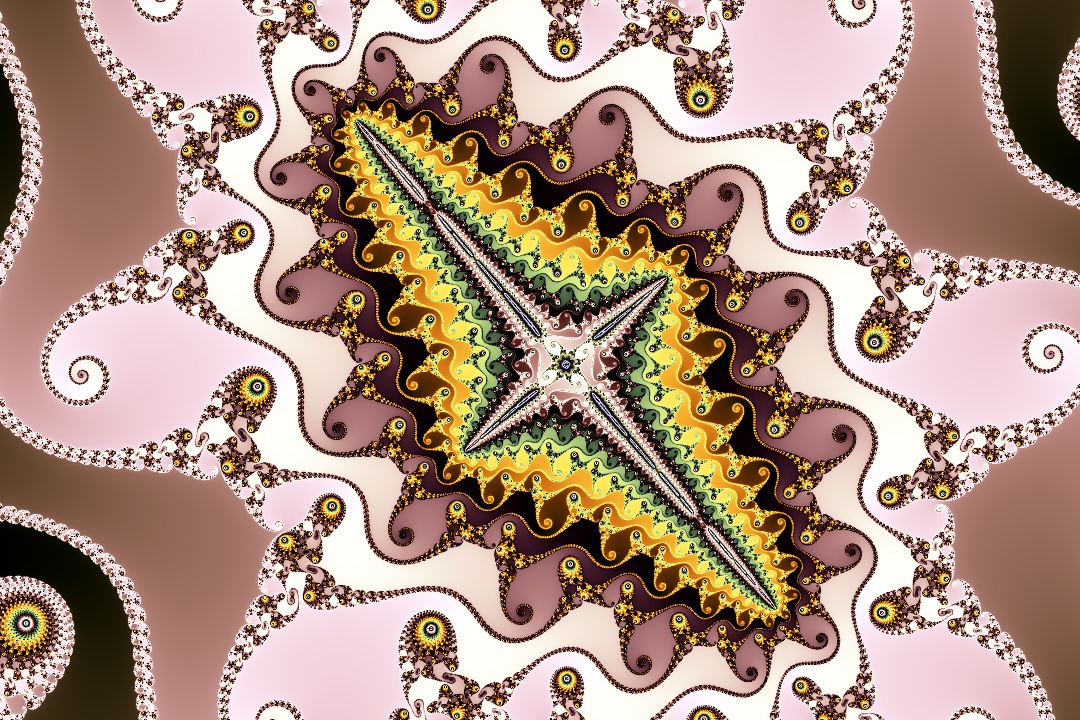
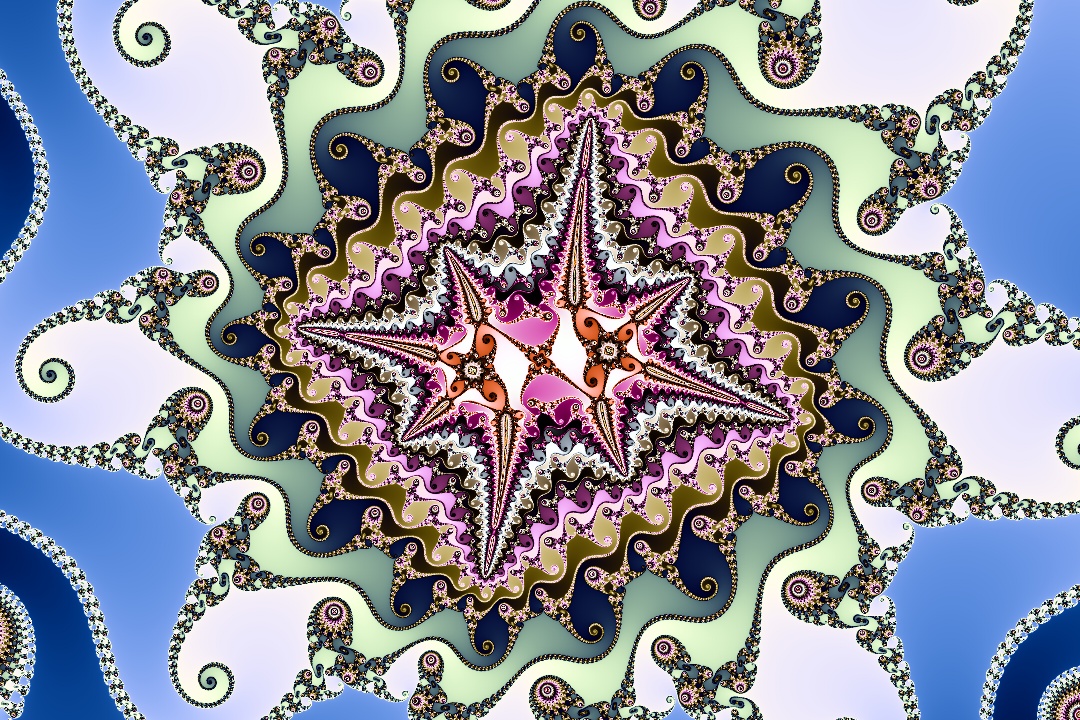
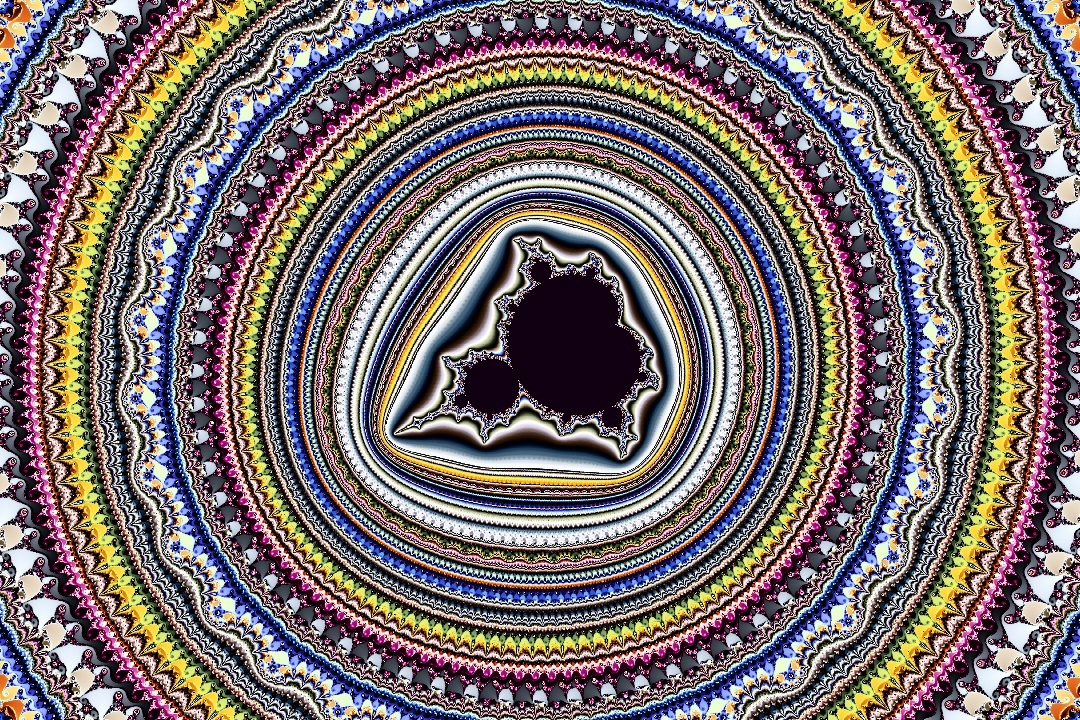
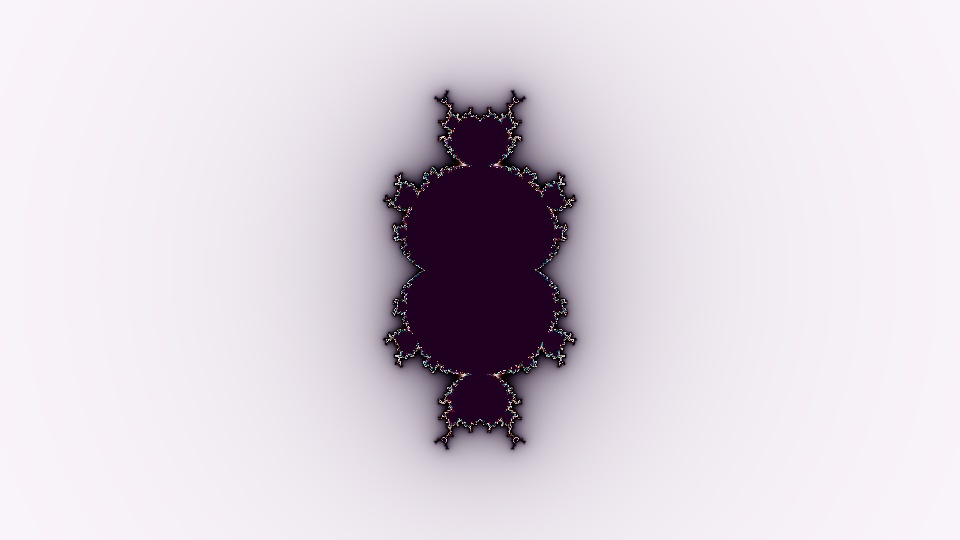
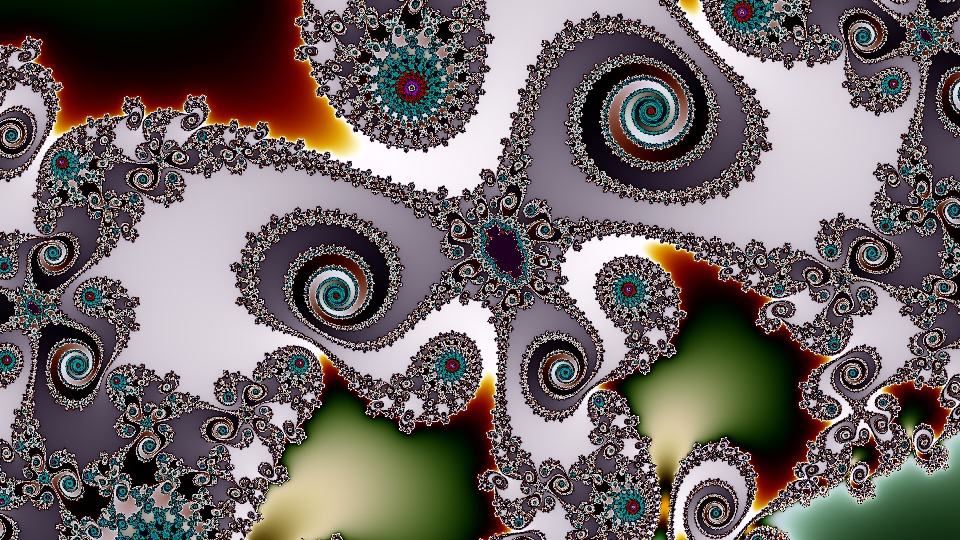
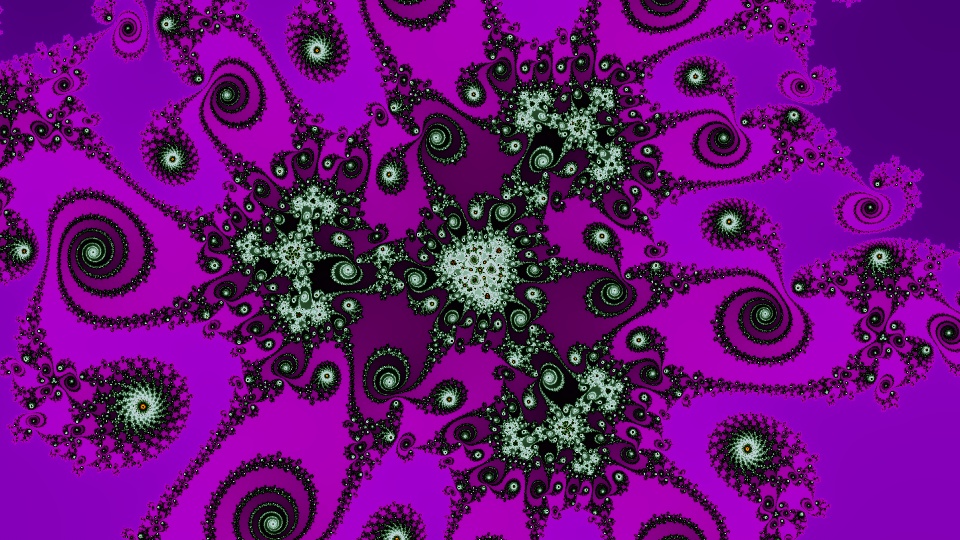
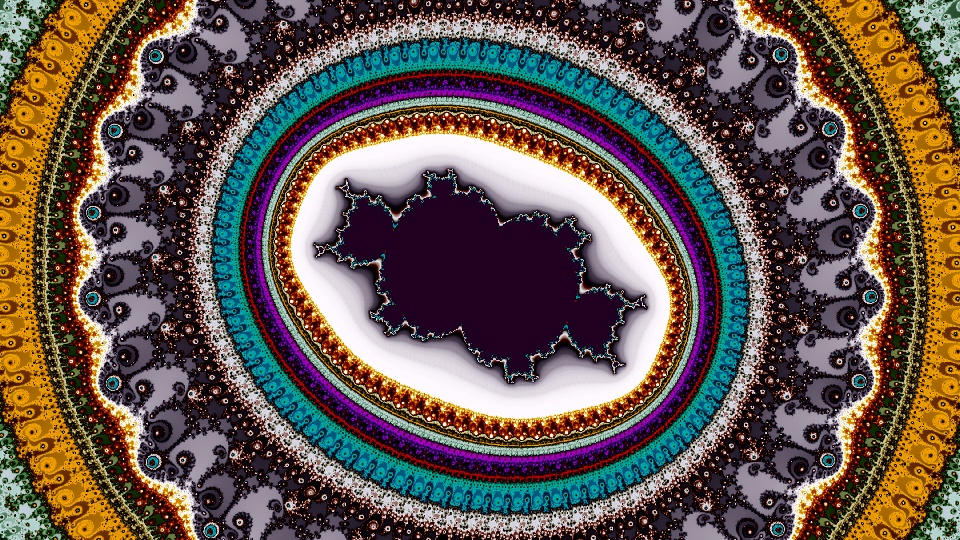
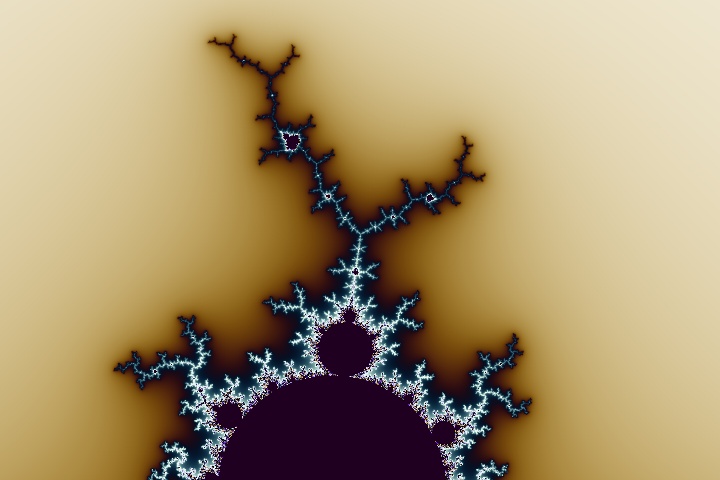
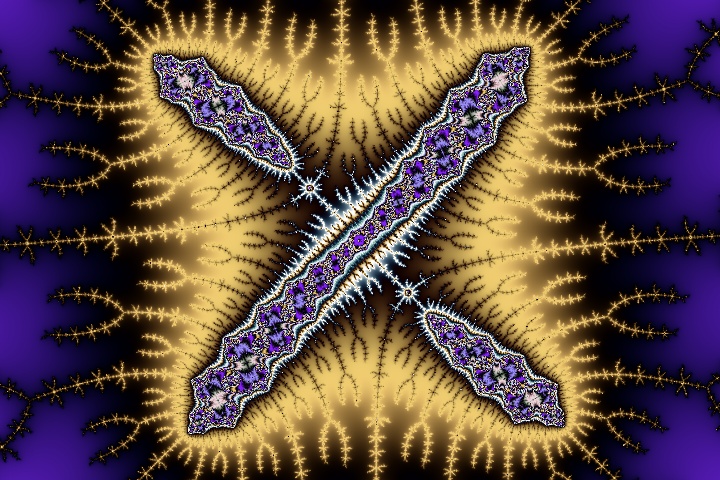
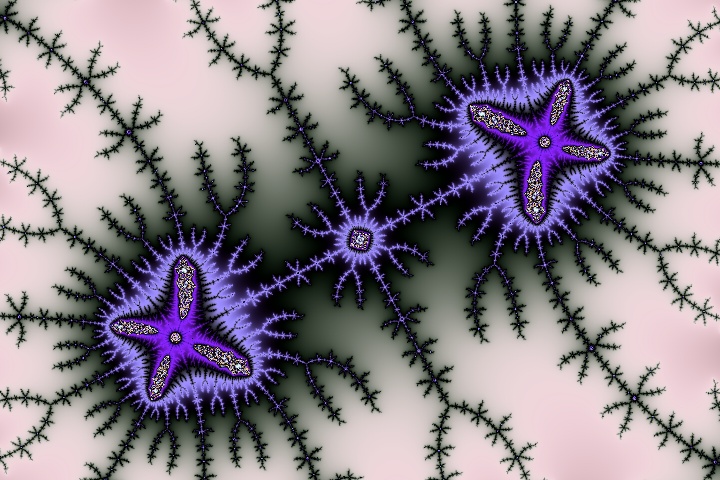
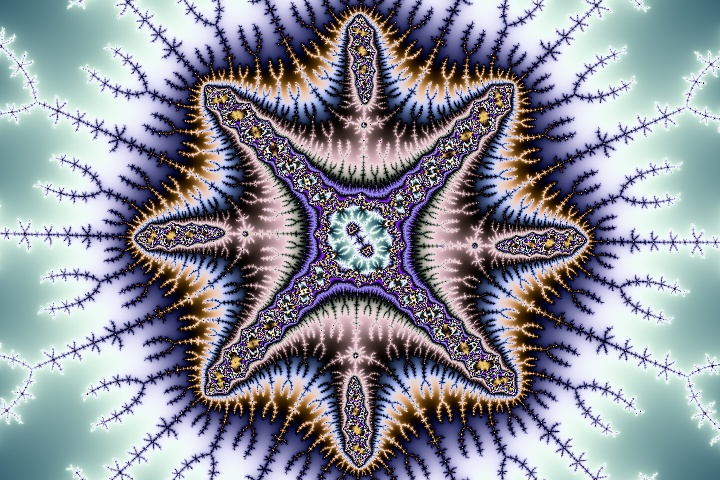
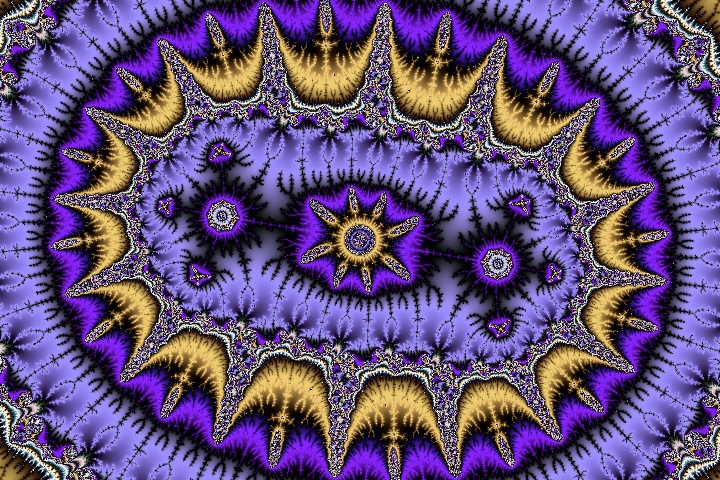
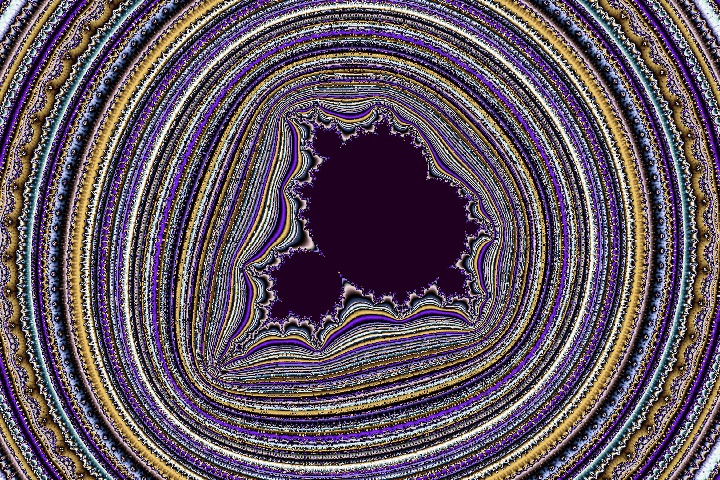
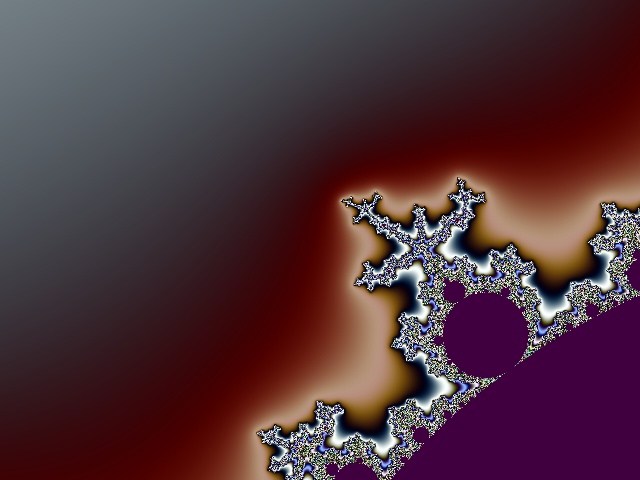
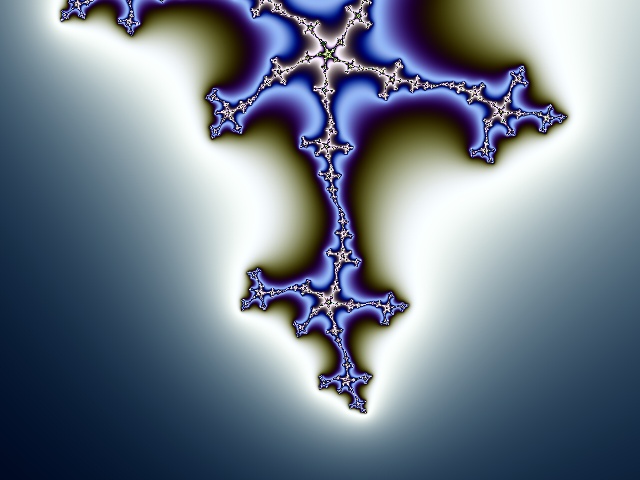
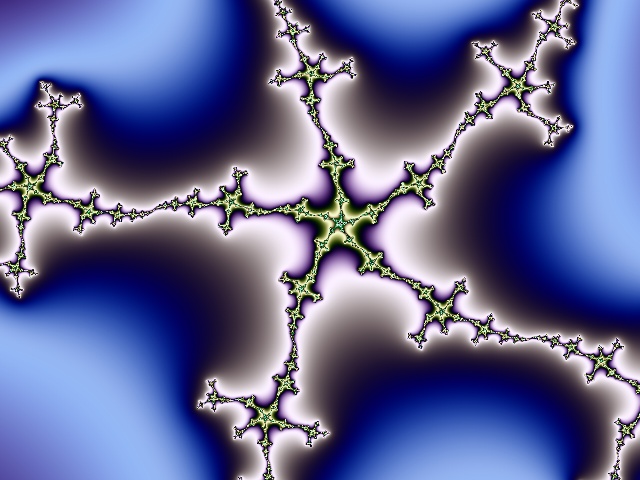
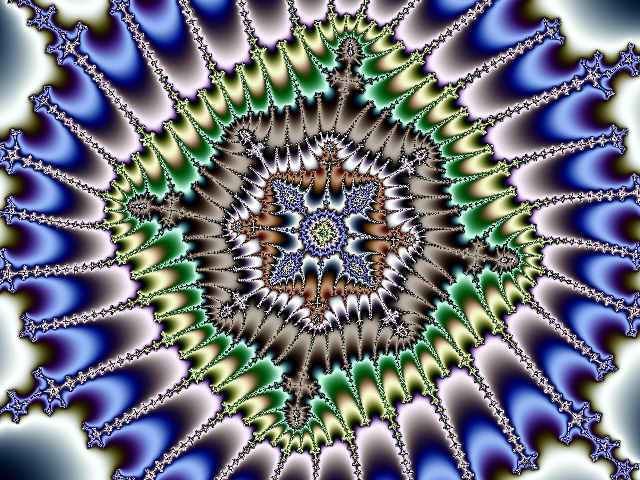
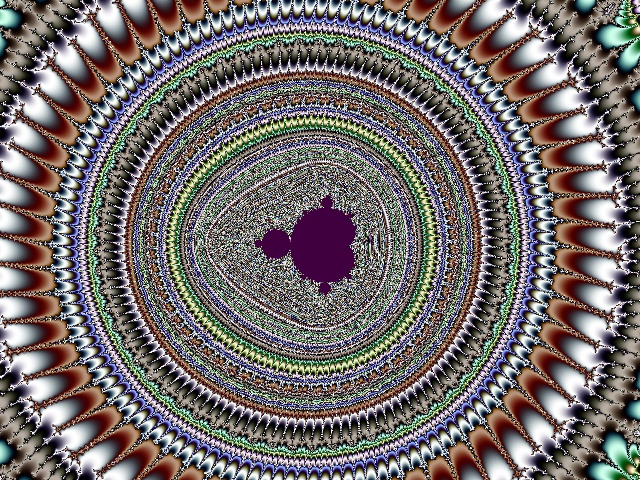
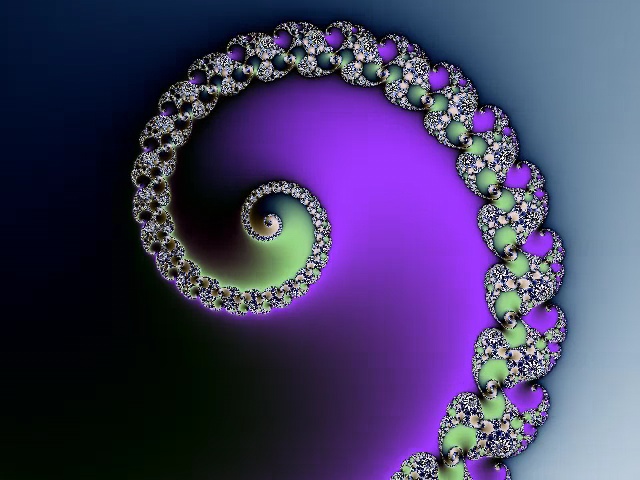
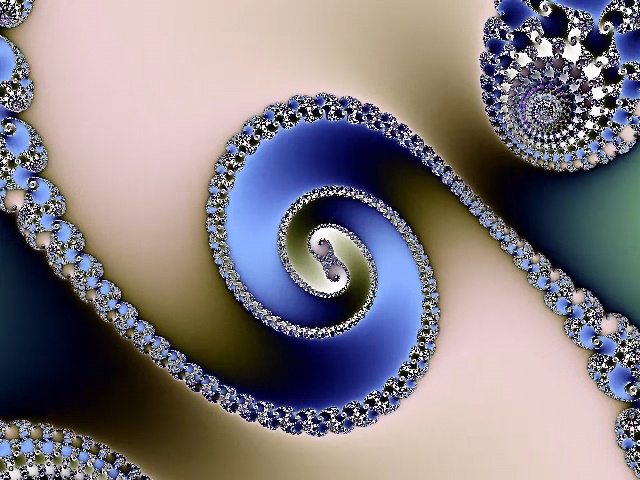
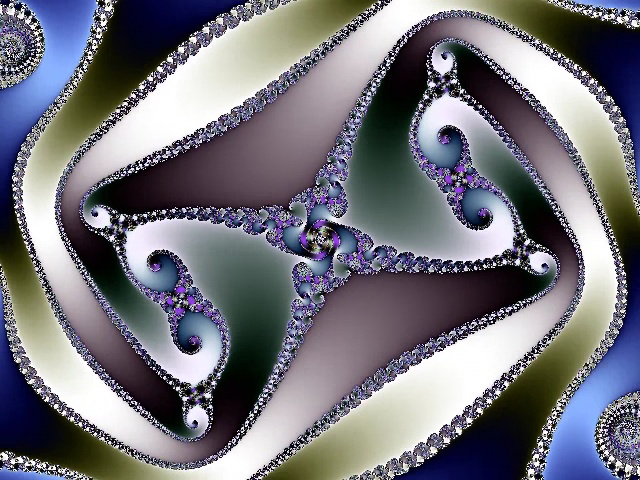
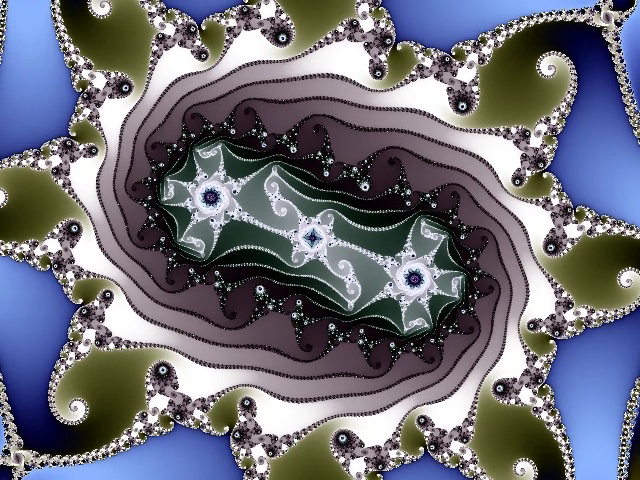
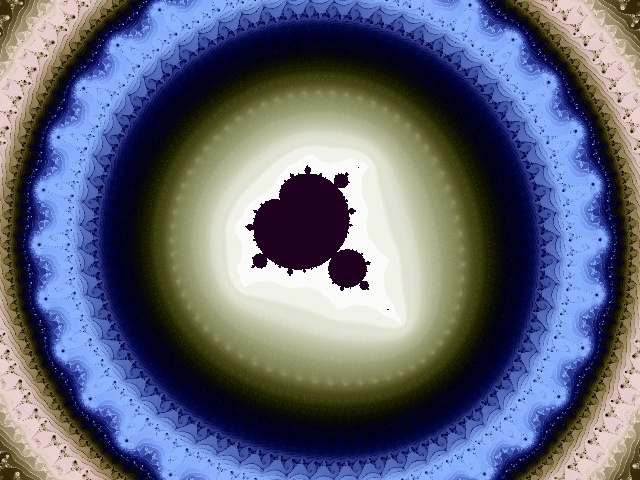
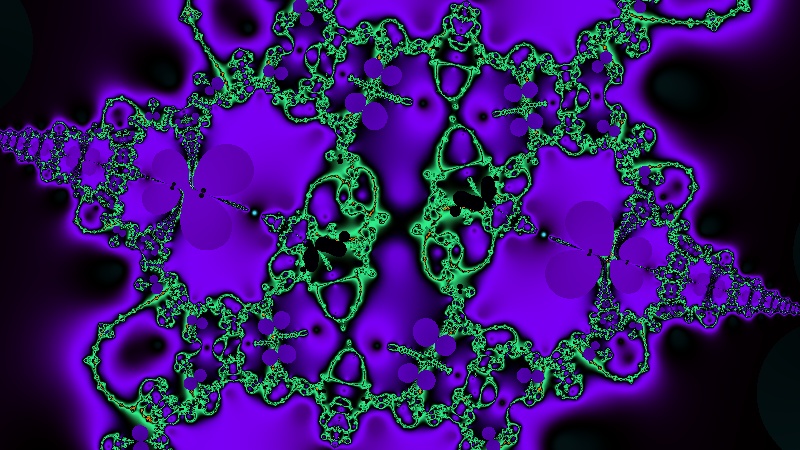
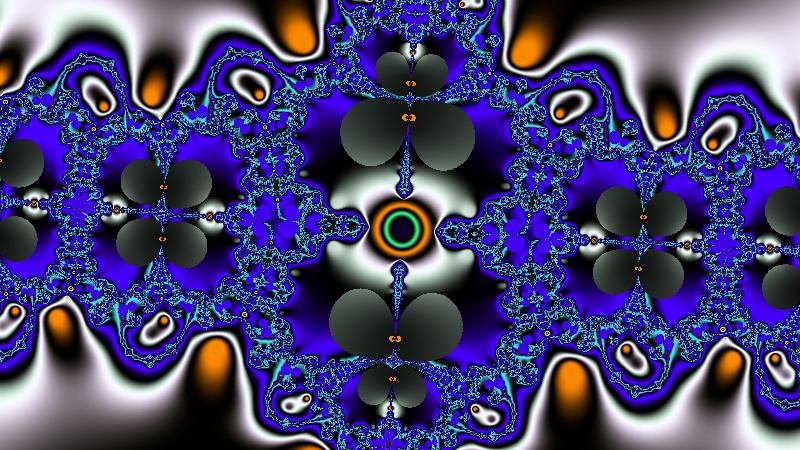
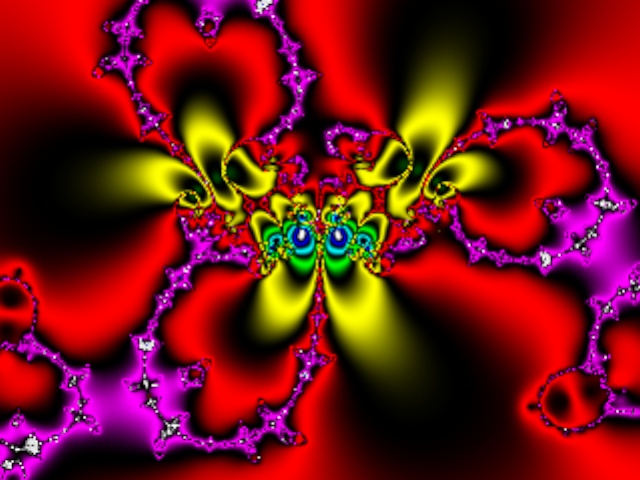
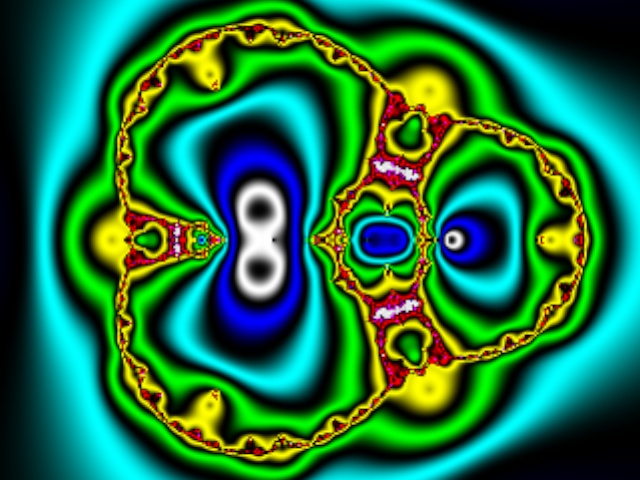
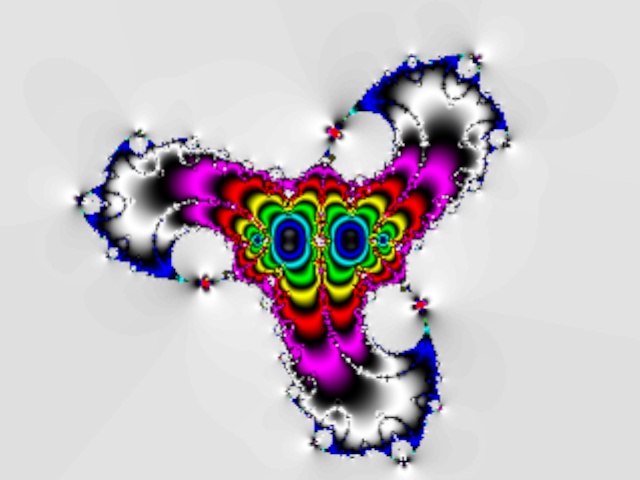
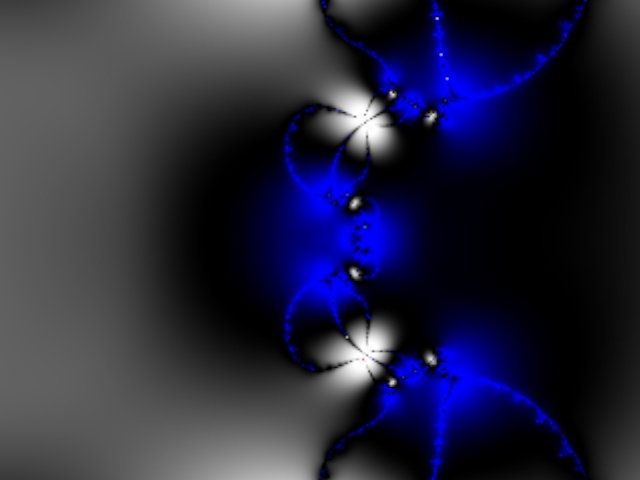
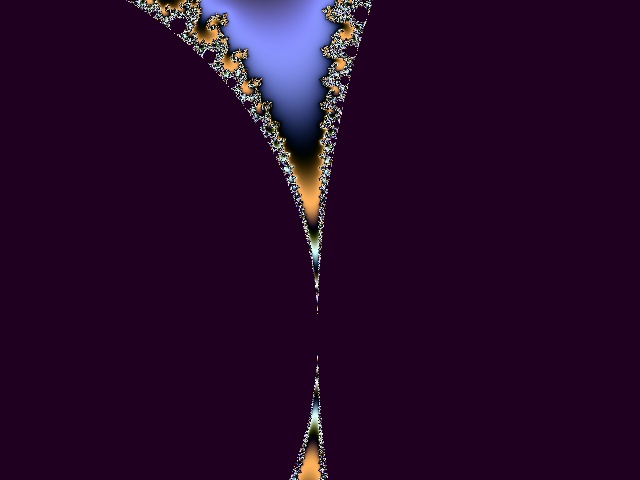
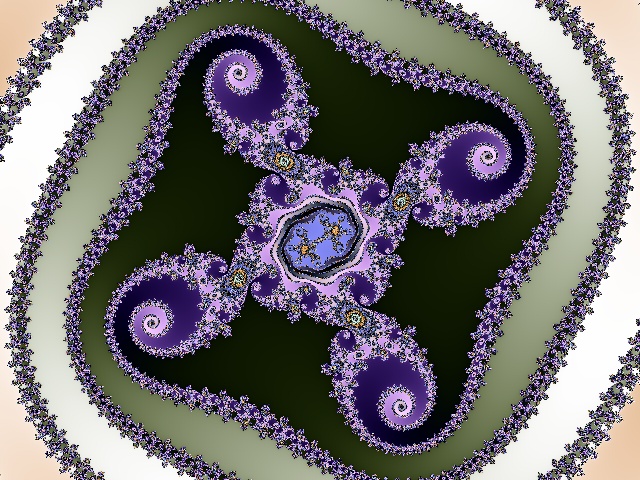
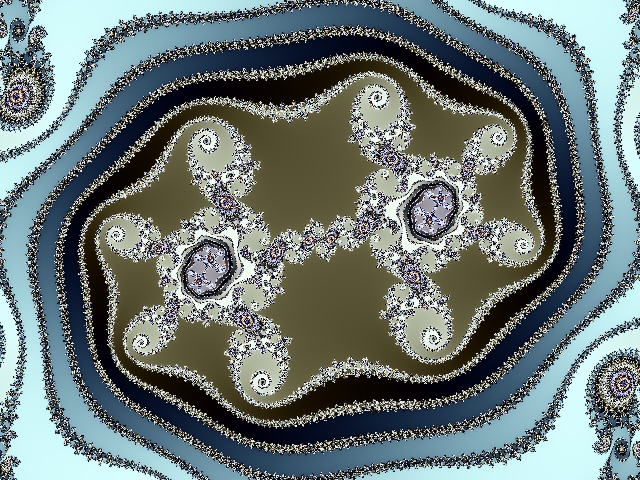
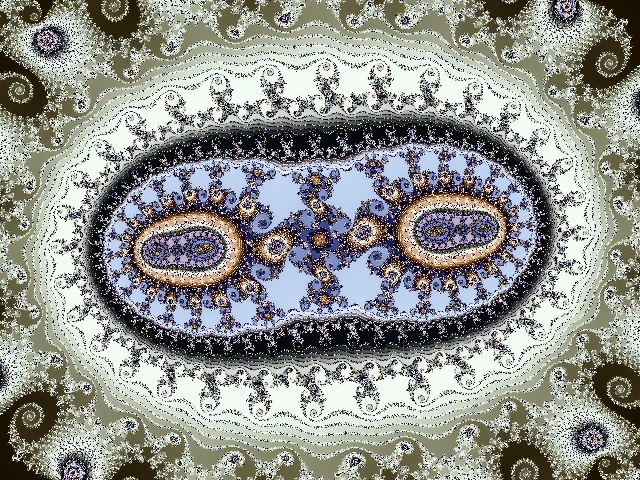
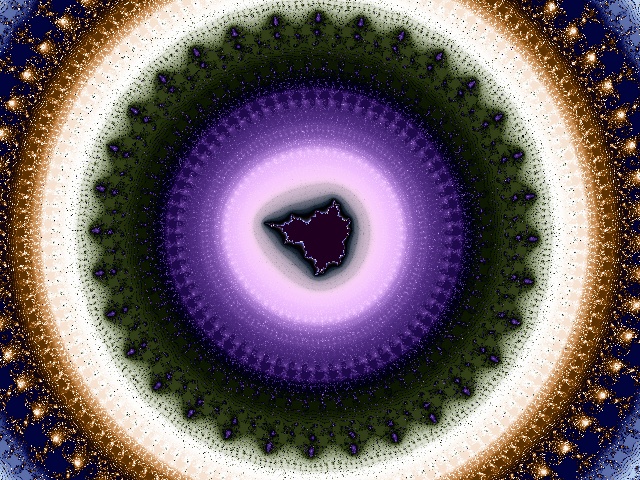
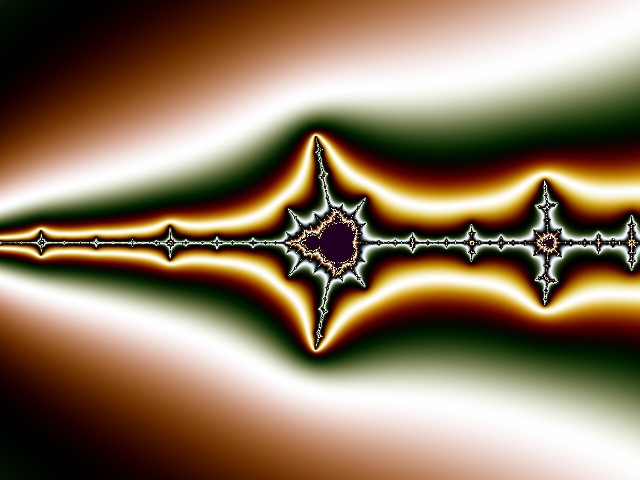
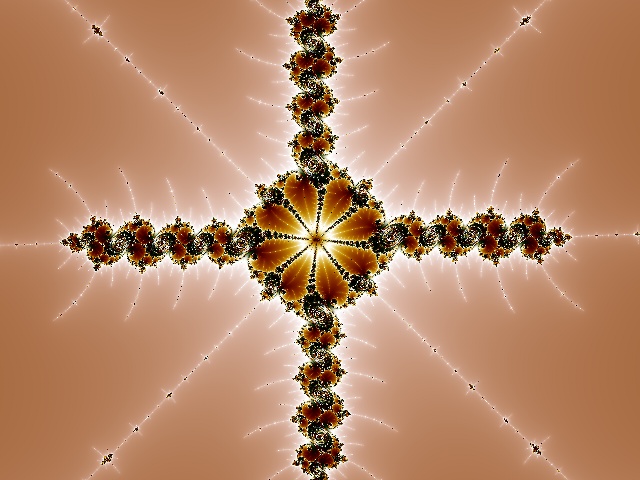
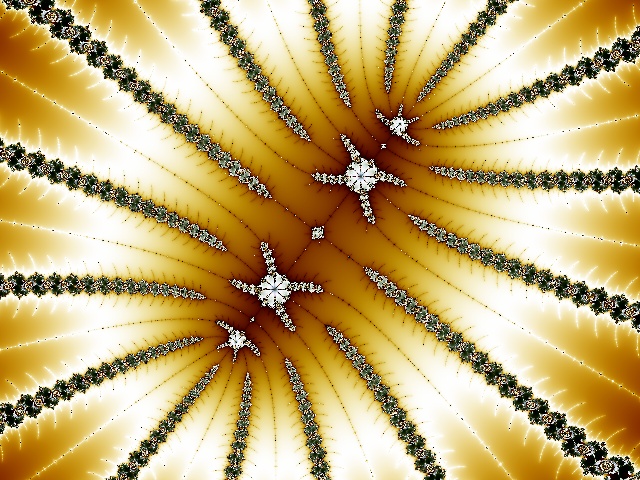
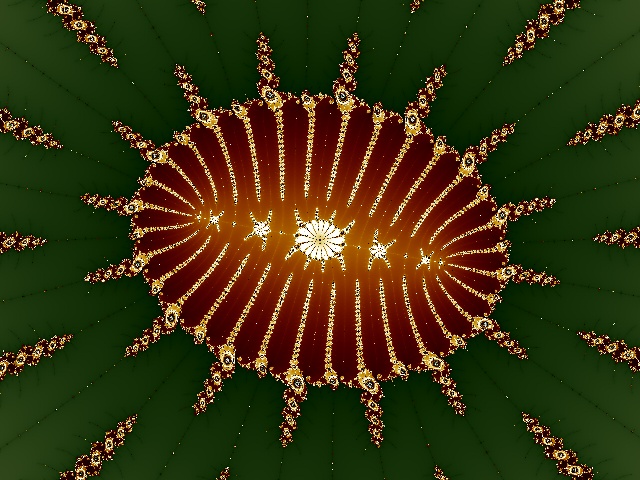
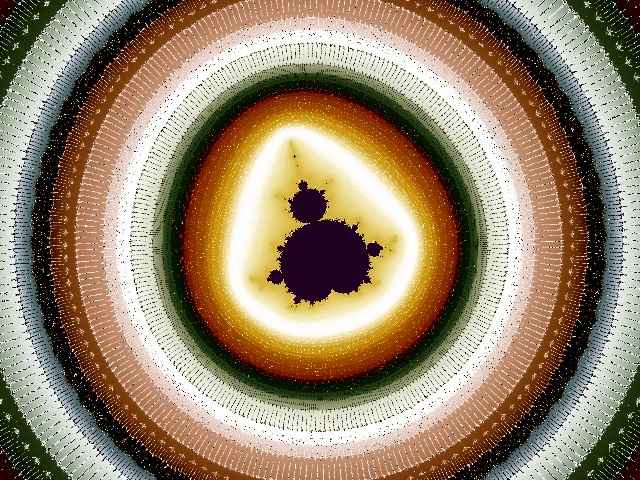
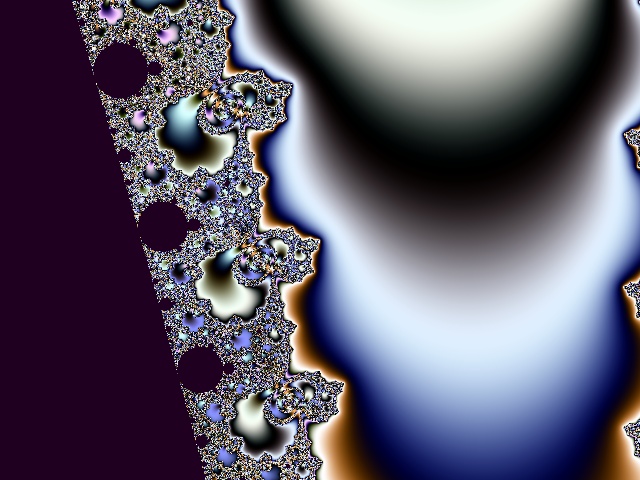
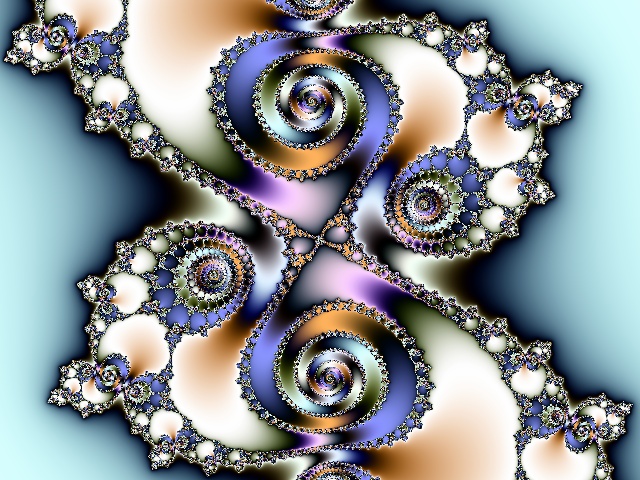
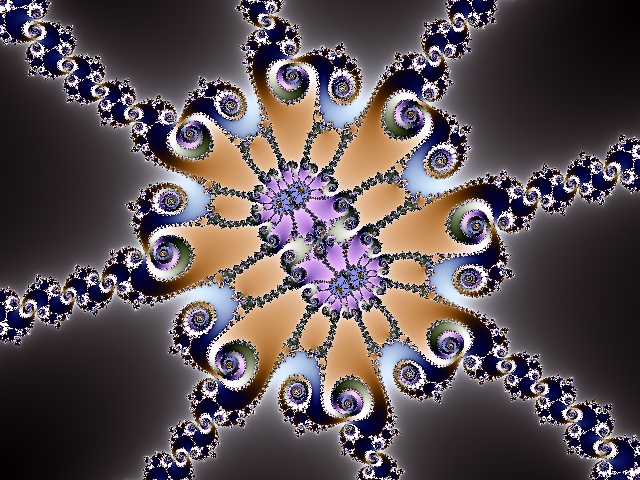
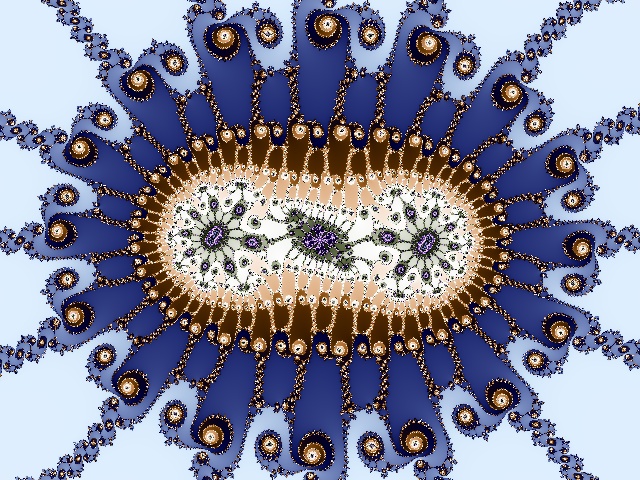
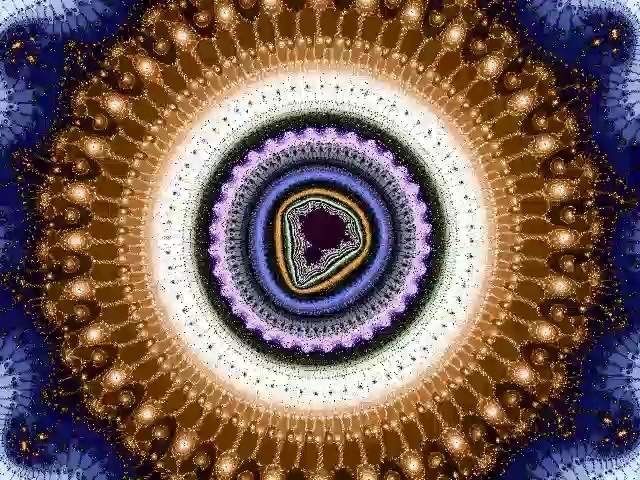
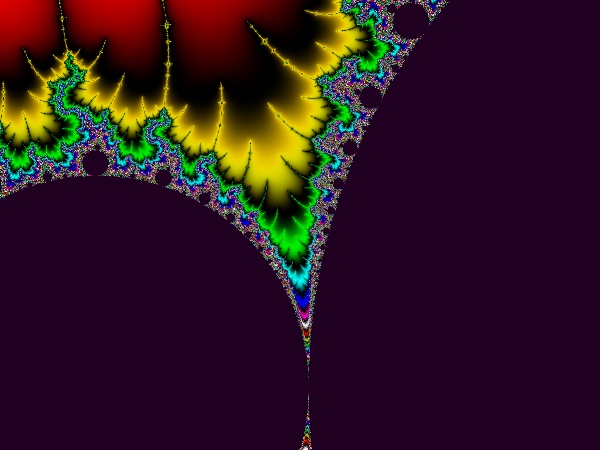
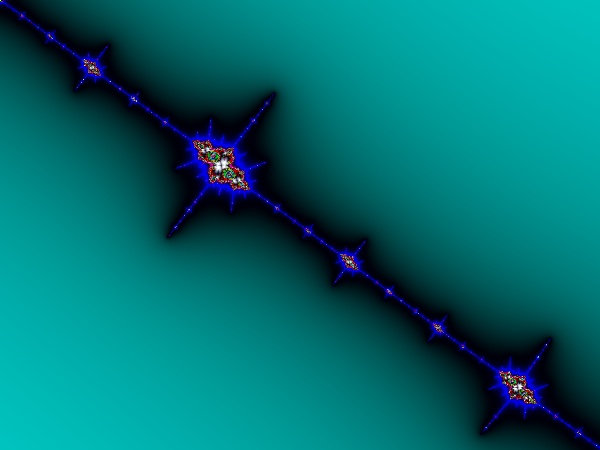
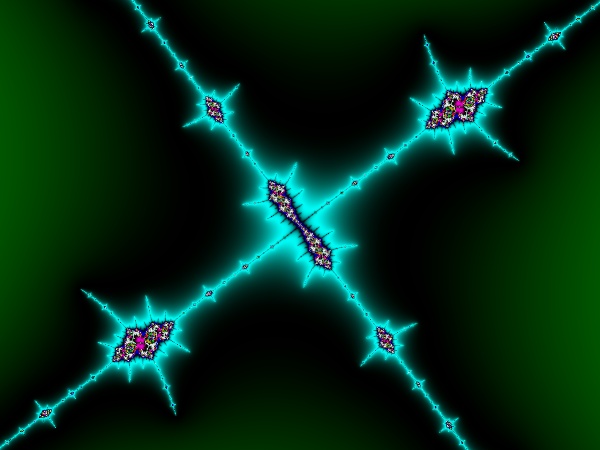
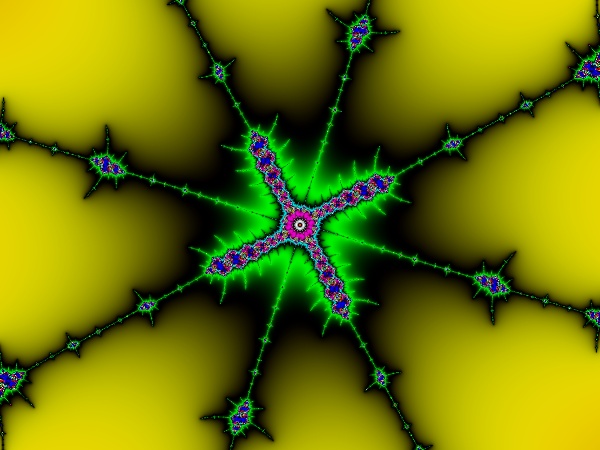
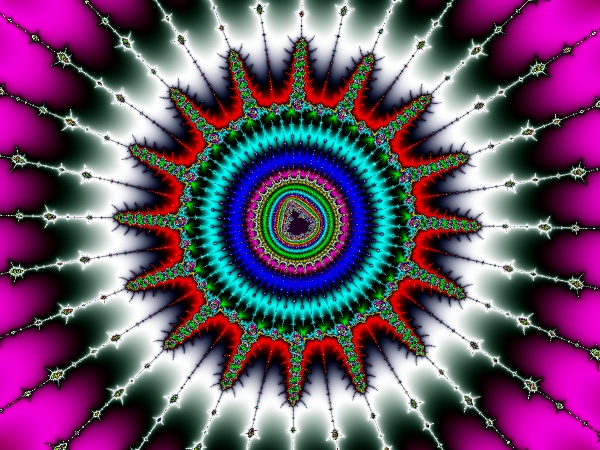
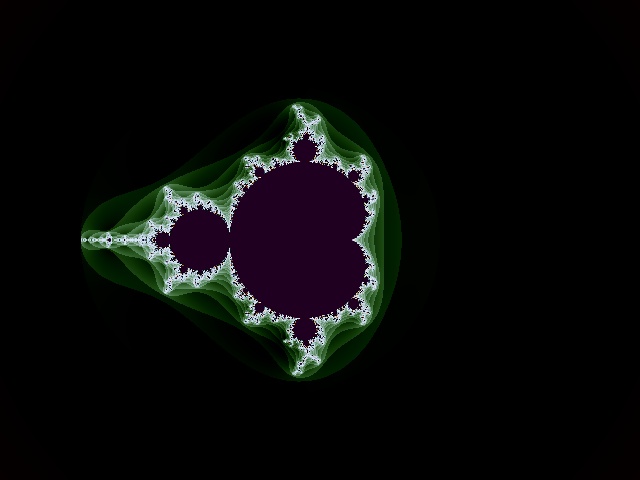
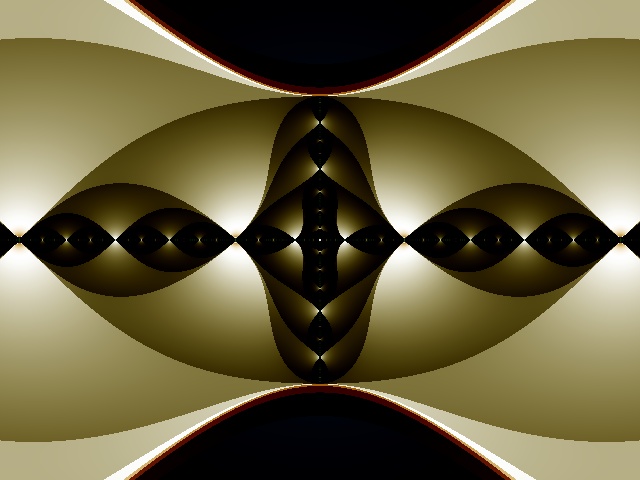
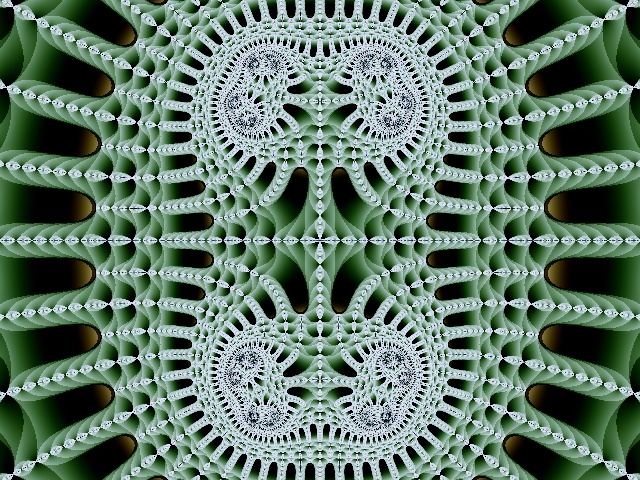
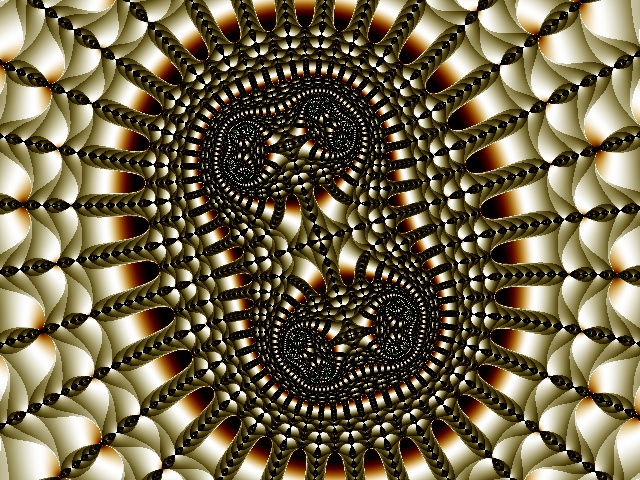
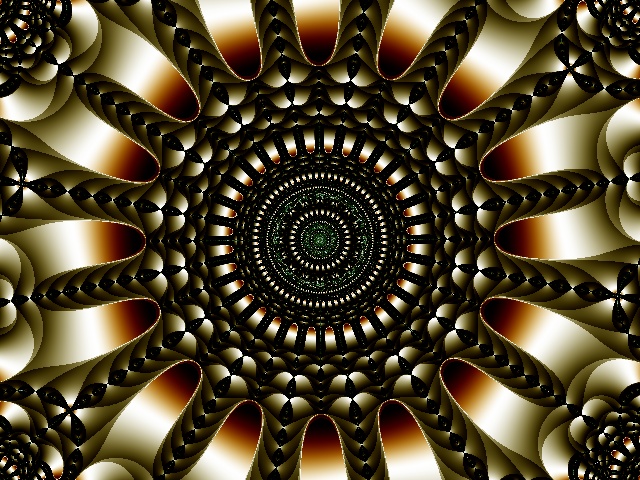
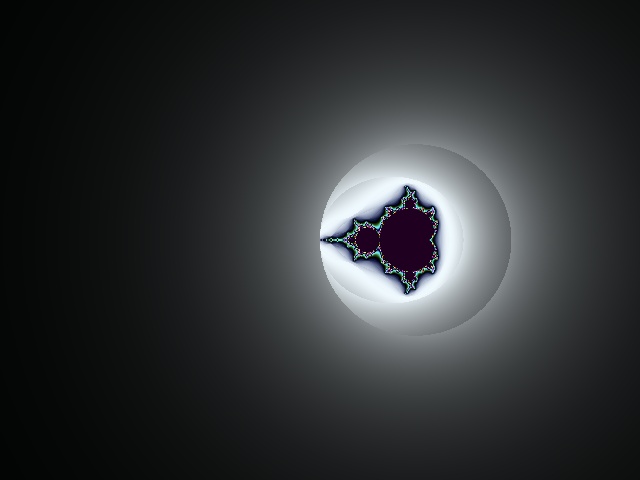
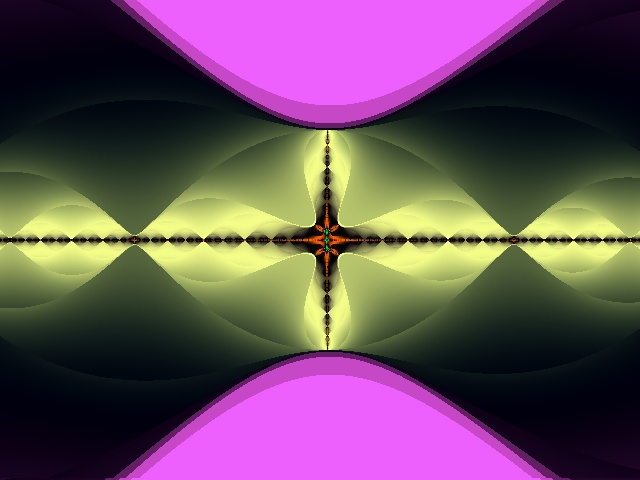
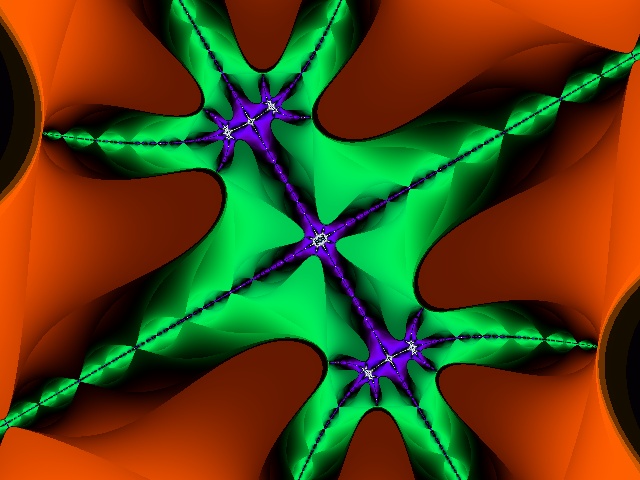
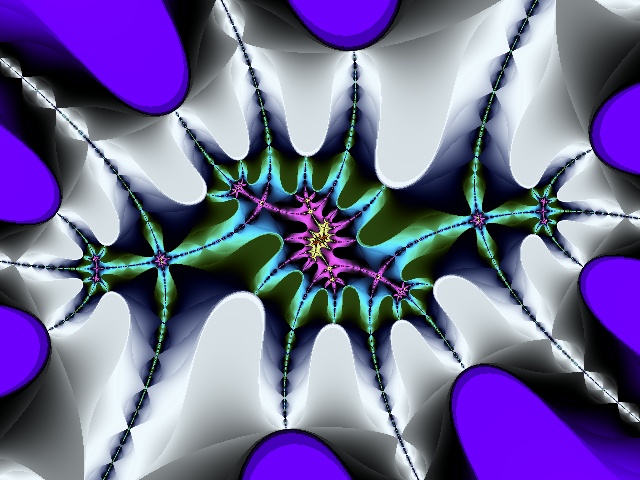
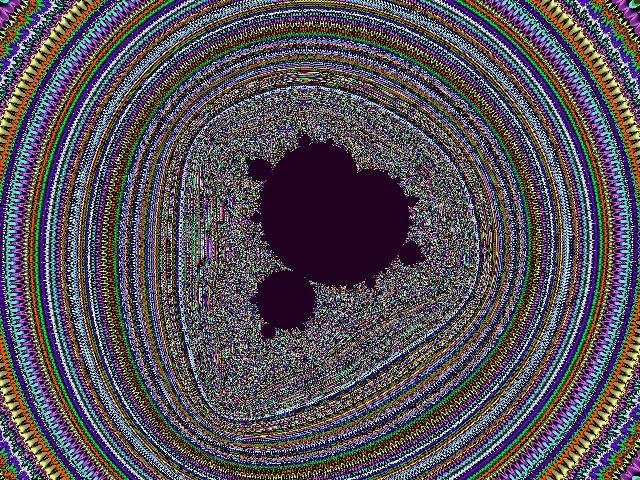
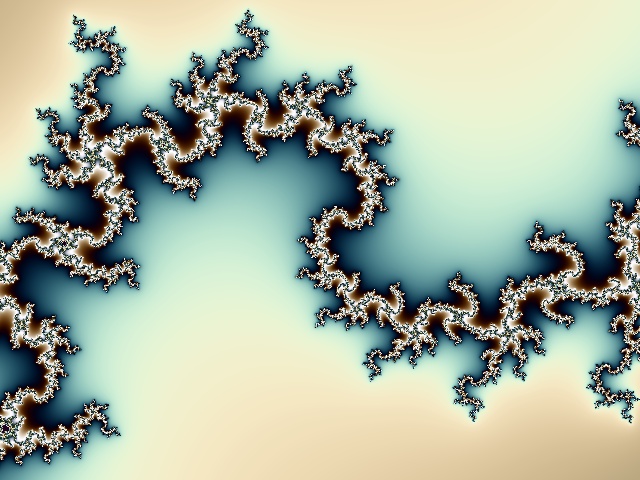
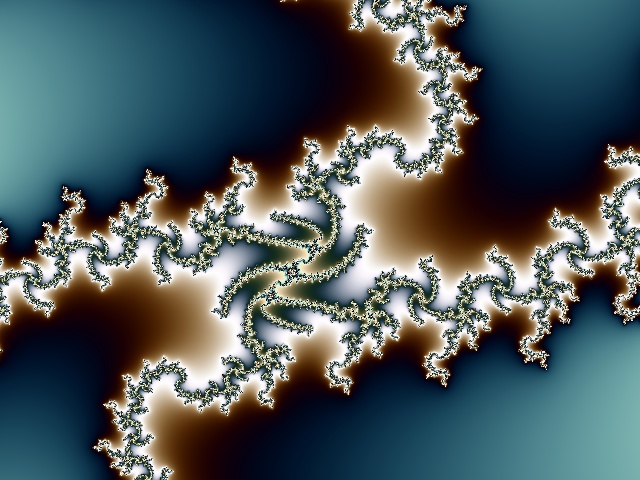
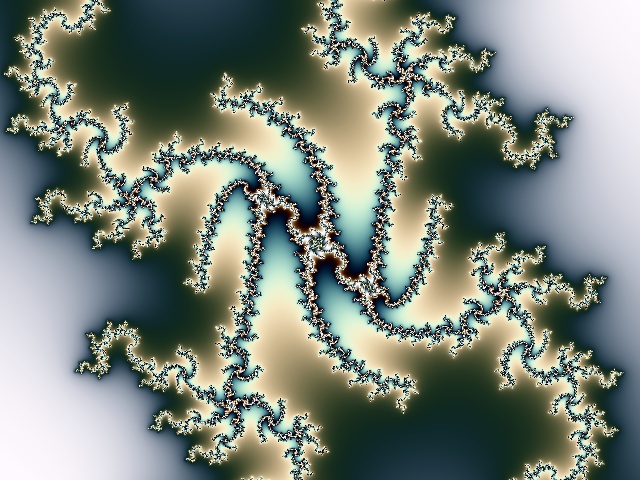
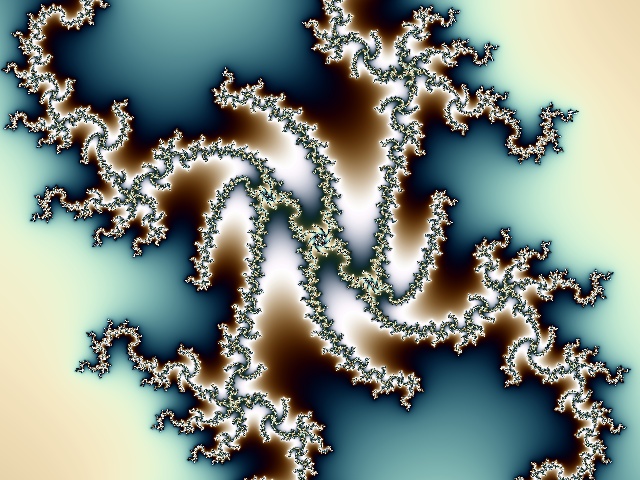
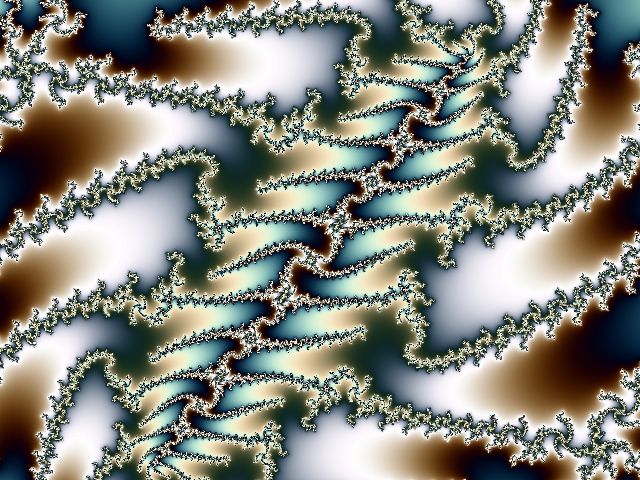
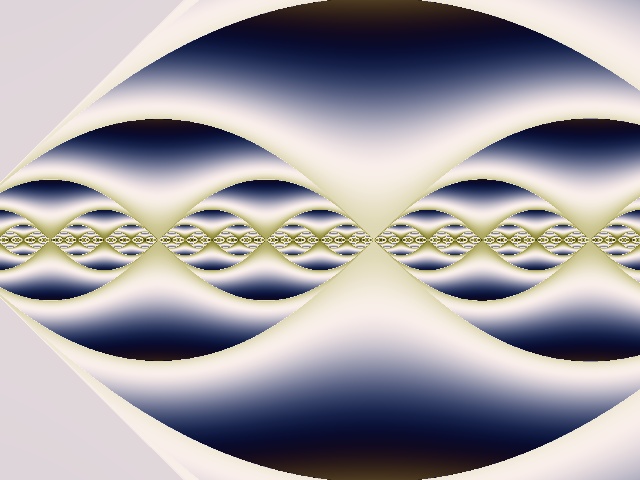
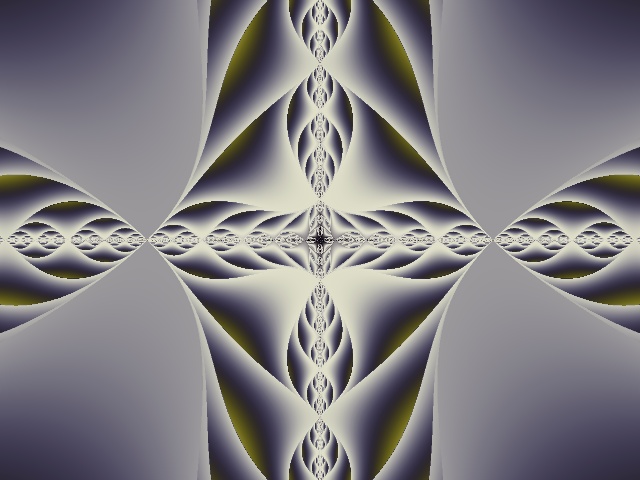
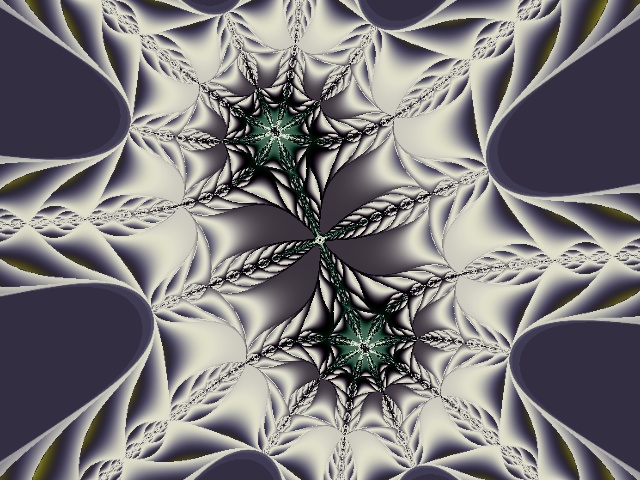
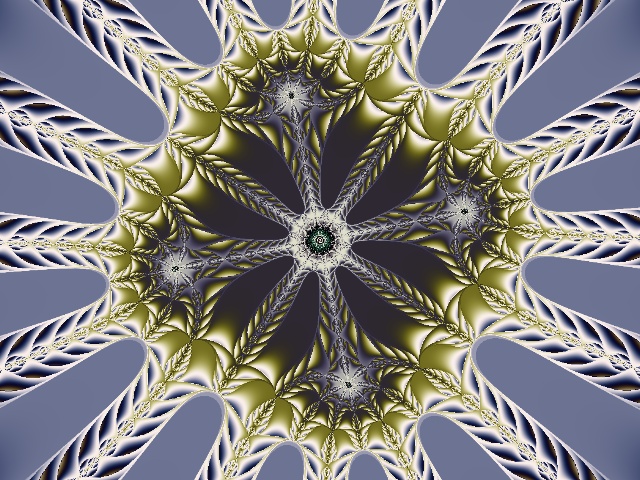
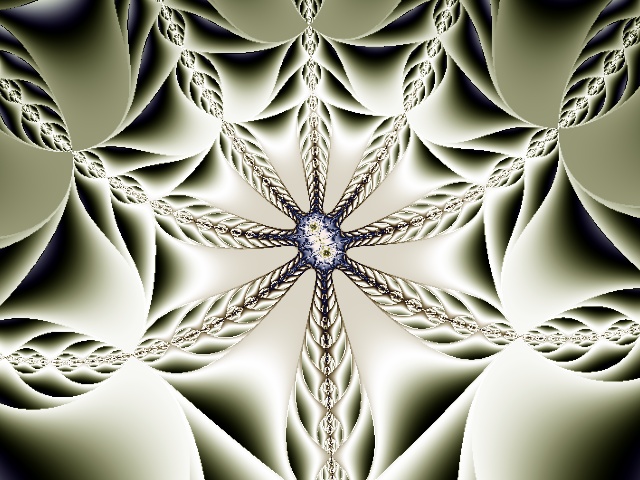
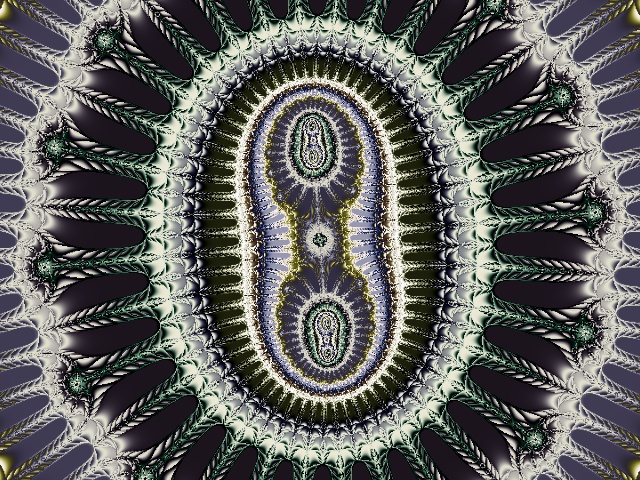
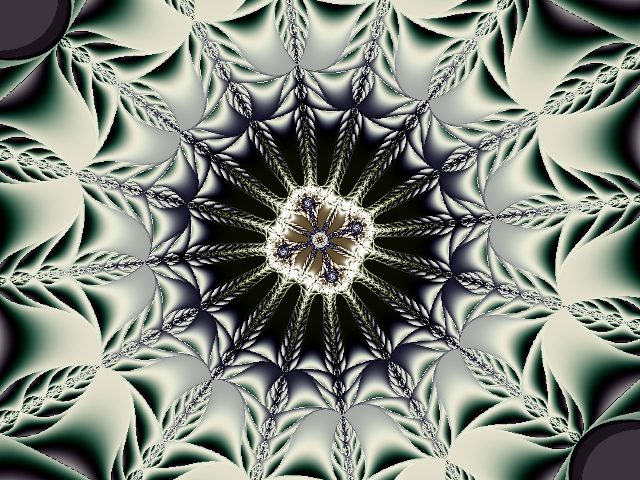
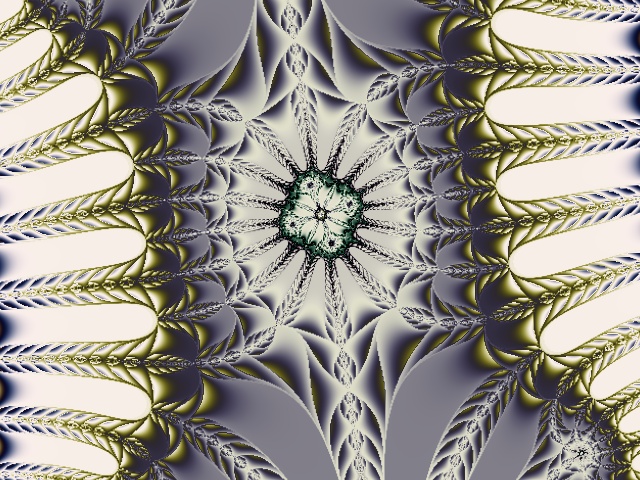
These two are just exercises of the math system. They really belong in the Technical section, but they got put on this page long ago, and it is kind of a hassle to move them.
| E100 | Supra-E100 deep zoom near fixed point at (0,1) |
| Centanimus | Supra-E100 deep zoom near utter west |
The little CanyonDeep1 test video used to be on a "Demo" page. I finally gave it a permanent home.
And here's one that's just plain silly: TooFast.mpg. This is what happens when you say one of my animations is too fast. I'll show you fast! (Identical zoom as E100 but in 23 seconds.)
Note on size and magnification: The sizes here (and on the Still Images page) are the actual size of the smallest dimension of the image (usually vertically) in the complex number plane. Some programs describe image sizes by "magnification" which is usually related to the reciprocal of the image size. A size of, say, 1E-100 corresponds to a magnification of 1E+100. Some software uses the half-height of the image, so there may be an additional factor of two involved in conversion.
All content Copyright by Michael Condron. All rights reserved unless otherwise noted.
You may download, save, and print a single copy for personal use only.
Music by various sources used with permission.
Please refer to individual video file credits for details.
